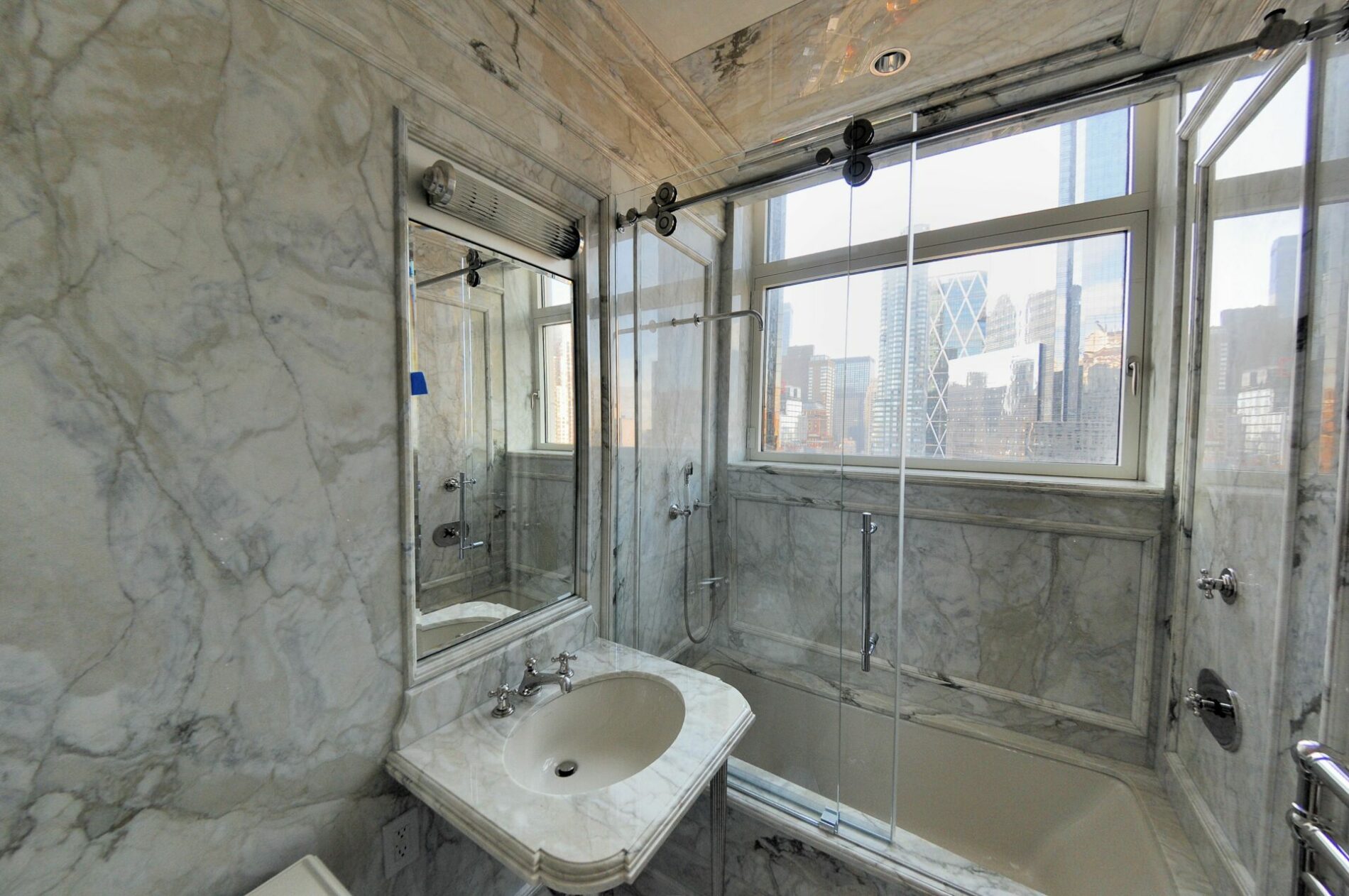


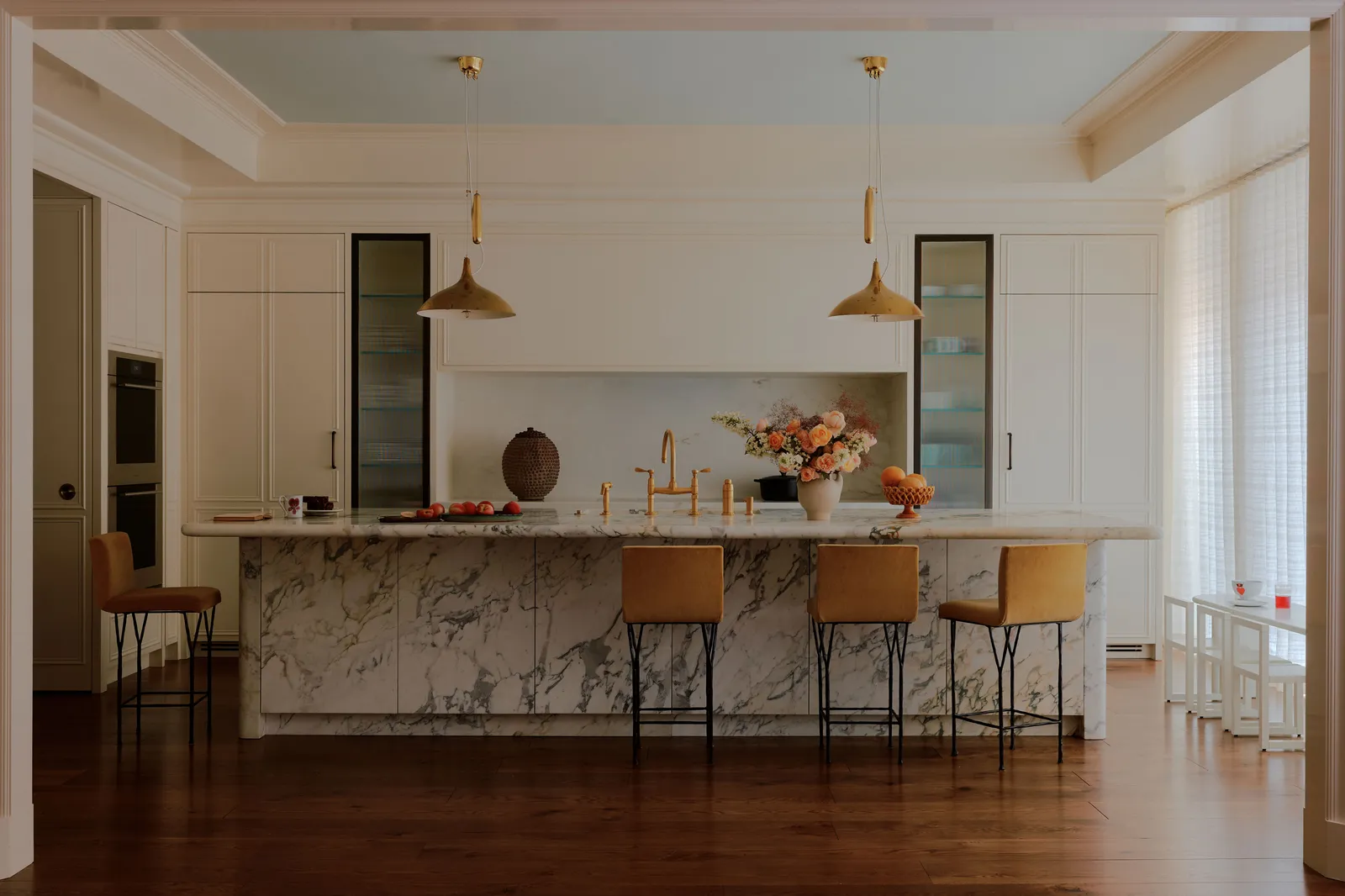
New York-based custom stonework company Pro Design started with little more than a big vision, a small team, and an old beat-up truck. The company’s early years were defined by small but meaningful work and, as Founder and CEO David Floricic says, just trying to figure it out like everybody else. “It really didn’t take off until 2003 or 2004,” David says. “Then we started zooming in on what I really wanted to do, which is high end residential work. We have ventured into the commercial world, government jobs and what not, but that’s not me. I like what we do in the high-end residential world, so we stayed there.”
Now in its 31st year in business, the Pro Design of today is no longer the small-scale operation it was back in 1995, but it’s strong New York roots remain intact. “Most of our work is in New York,” David says, “because as I always say, New York is big enough! But we do a lot of work up and down the East Coast and Boston, Greenwich, Connecticut, all the wealthiest areas, and we do some beautiful projects in the Hamptons where the summer homes are built. We have done work as far as South America, Colorado, Los Angeles, Florida, some interesting projects here and there. But I try to focus on what’s in front of me, which is New York and the tri-state area. Something that’s within reach, within two to four hours of driving at most. We service architects, designers, and general contractors for the most part, on high-end residential projects such as apartments, townhouses, and villas. We still do some of the high-end retail work, but that’s very minor, maybe 2 to 3% of our business.”
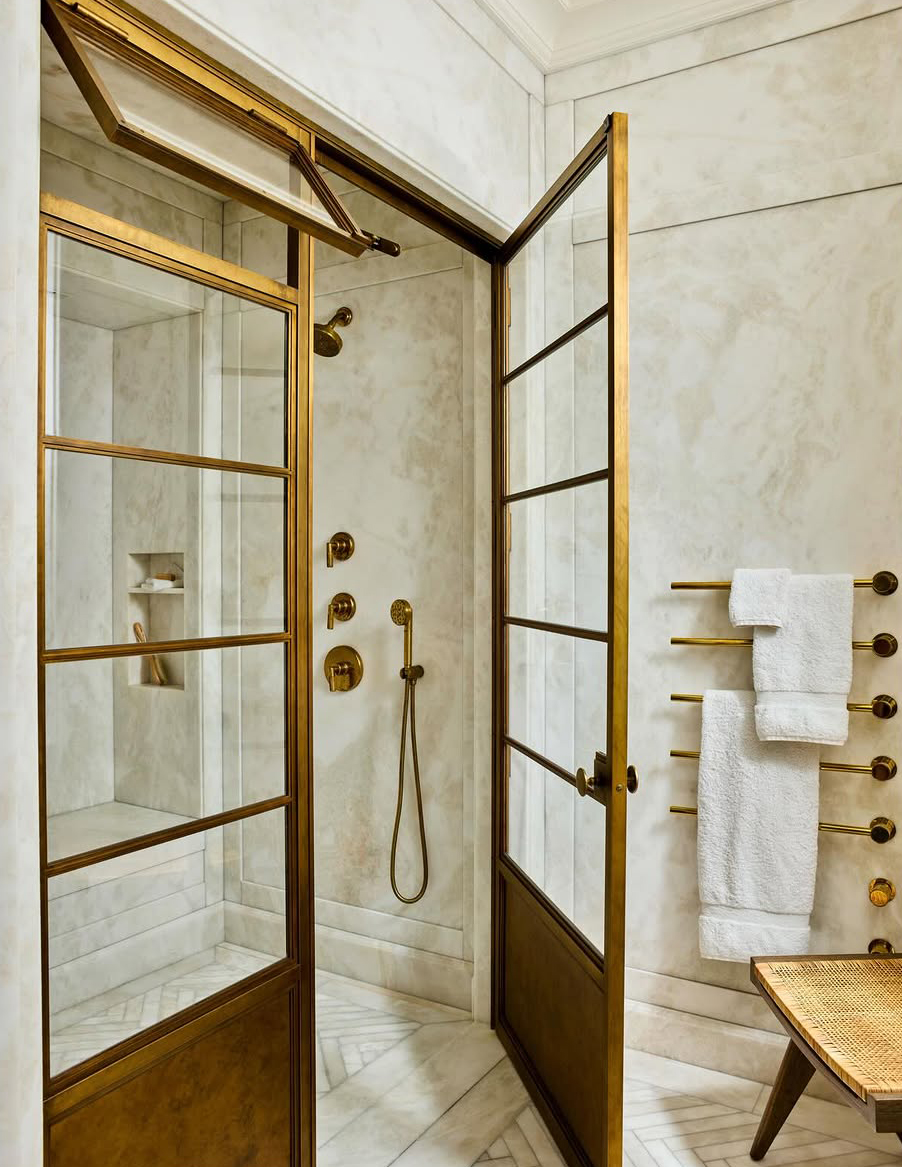
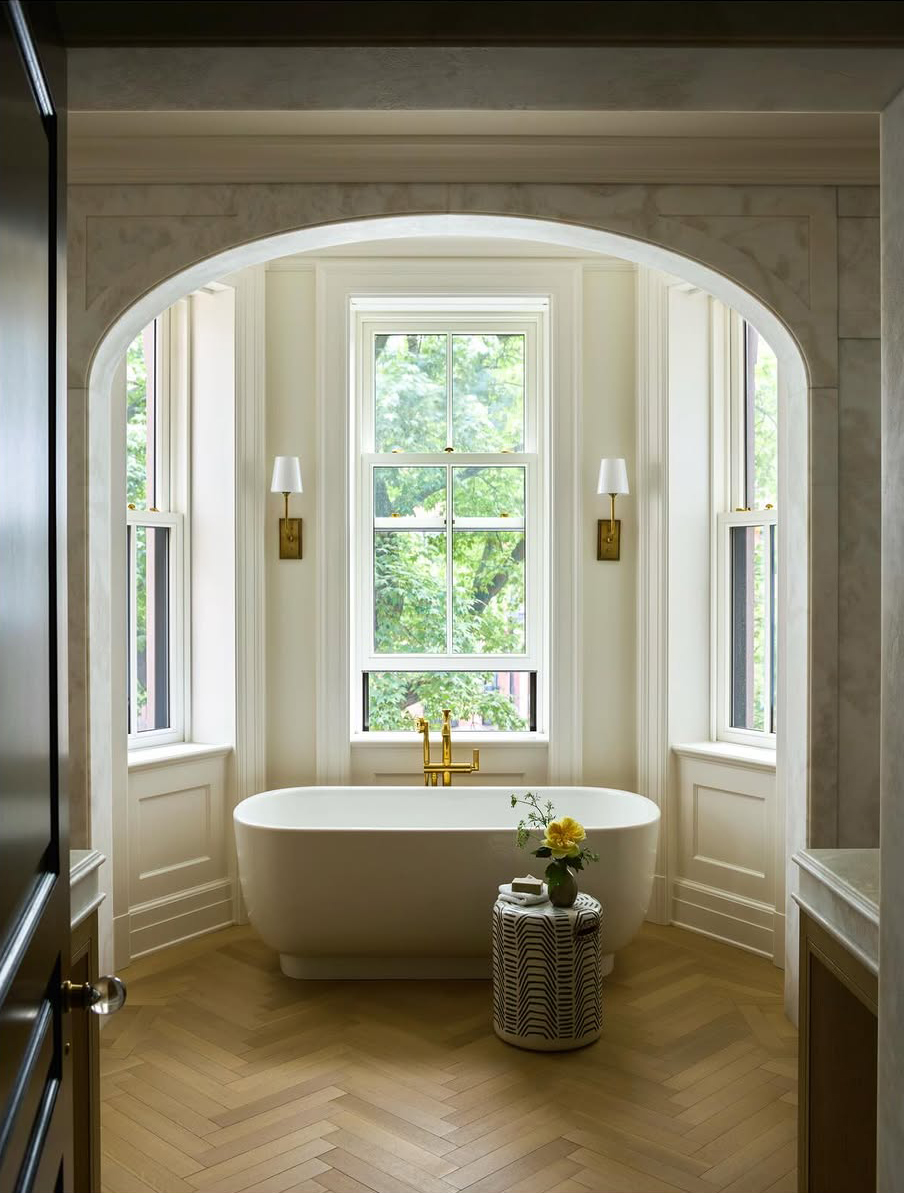
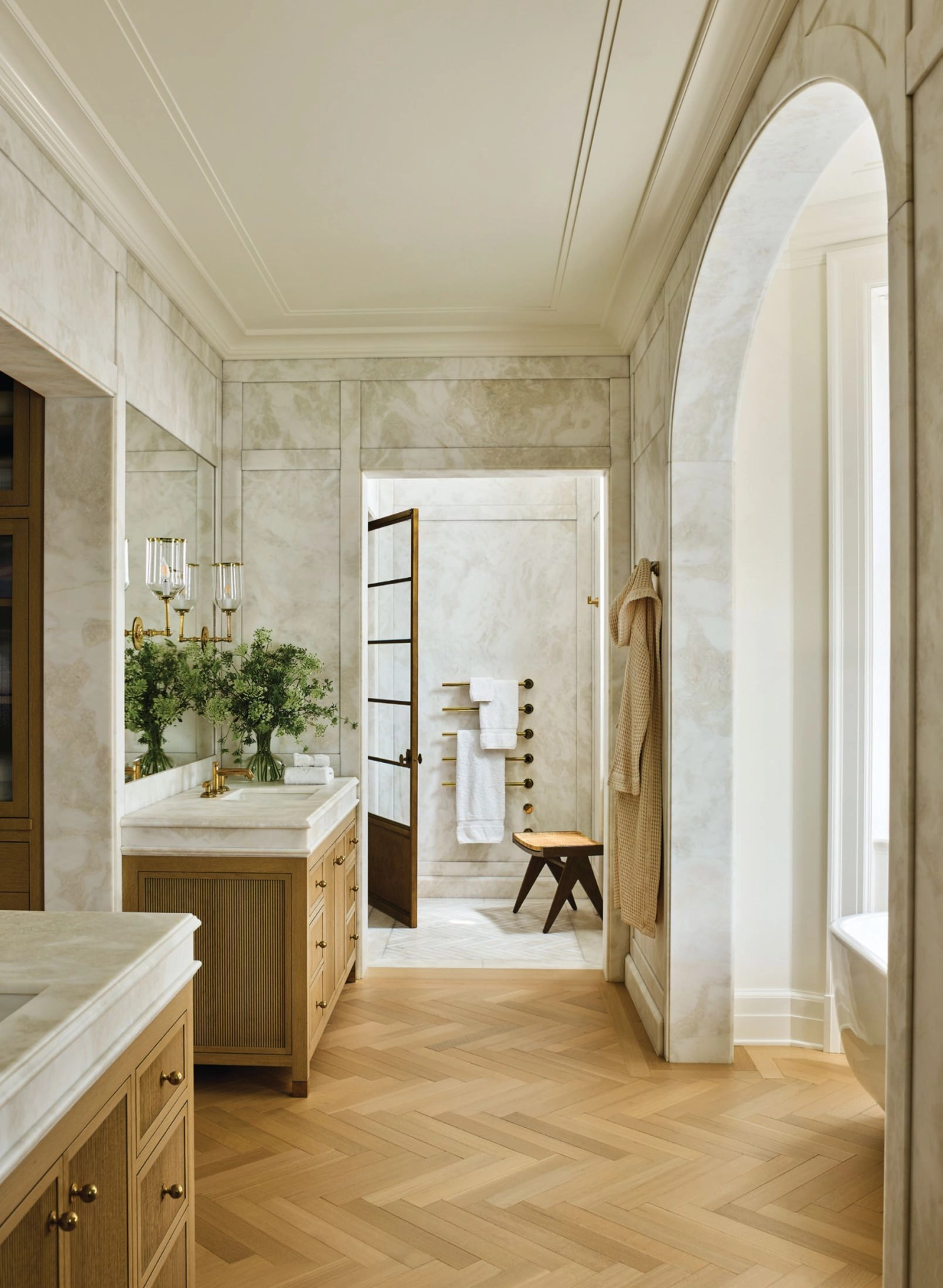
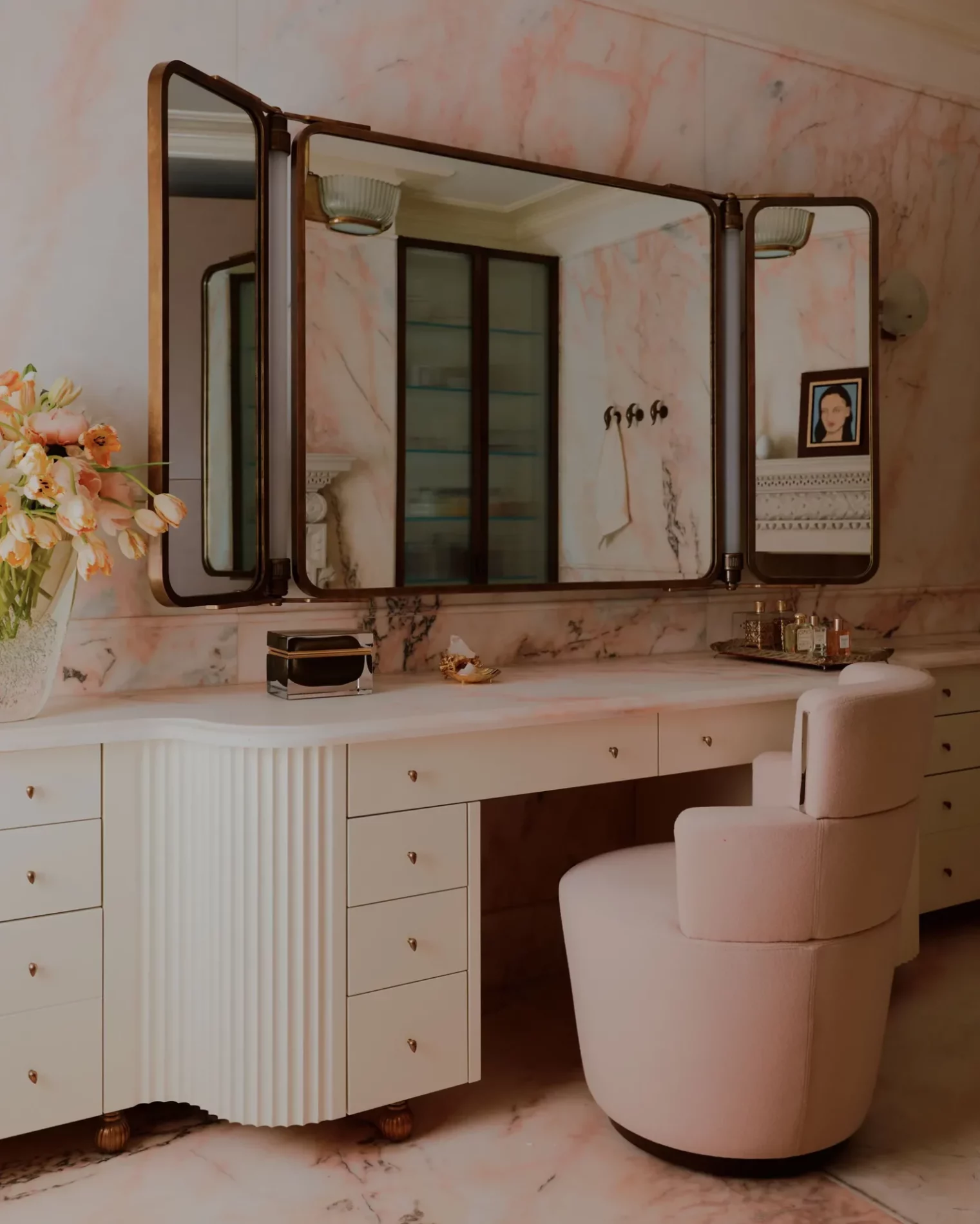
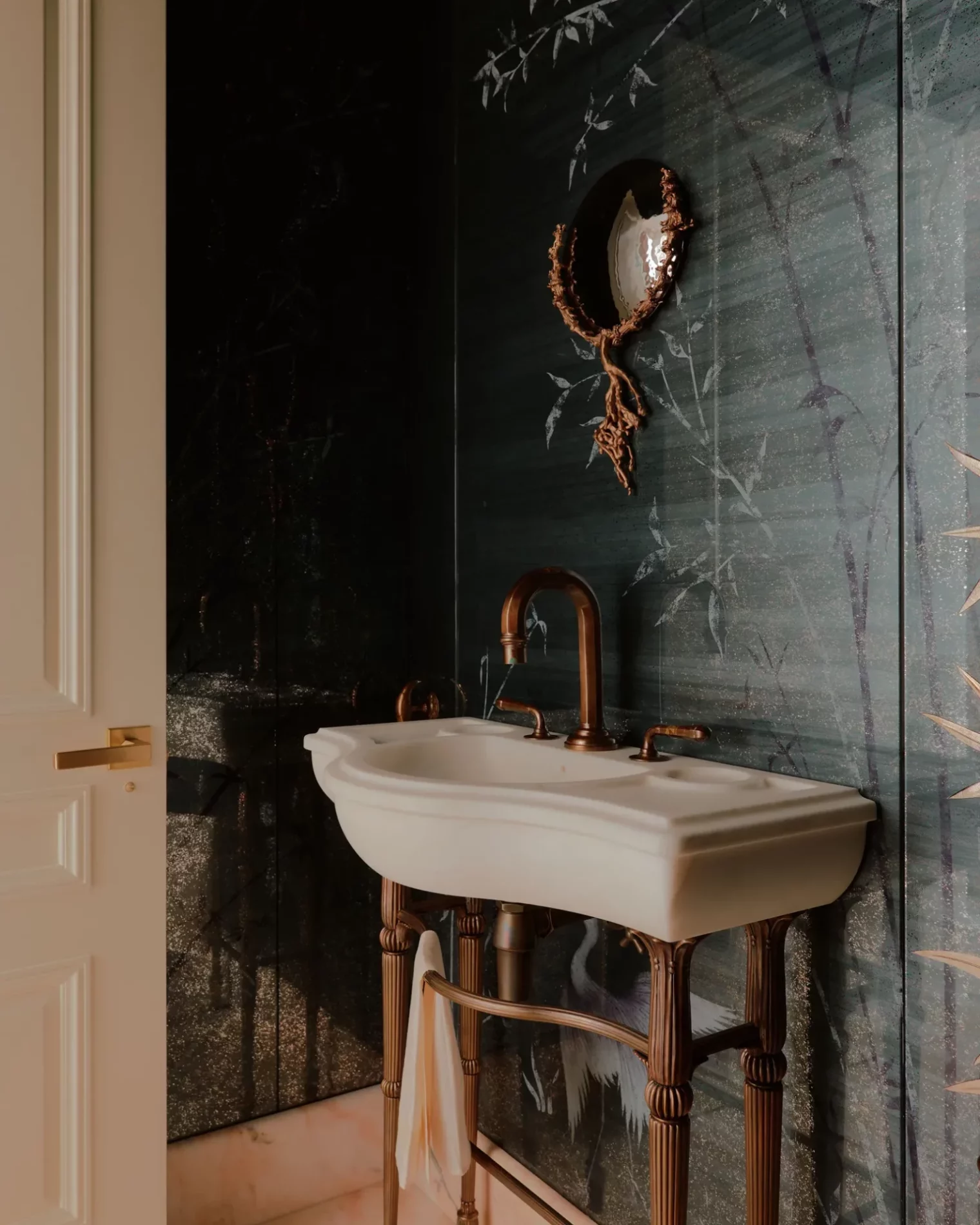
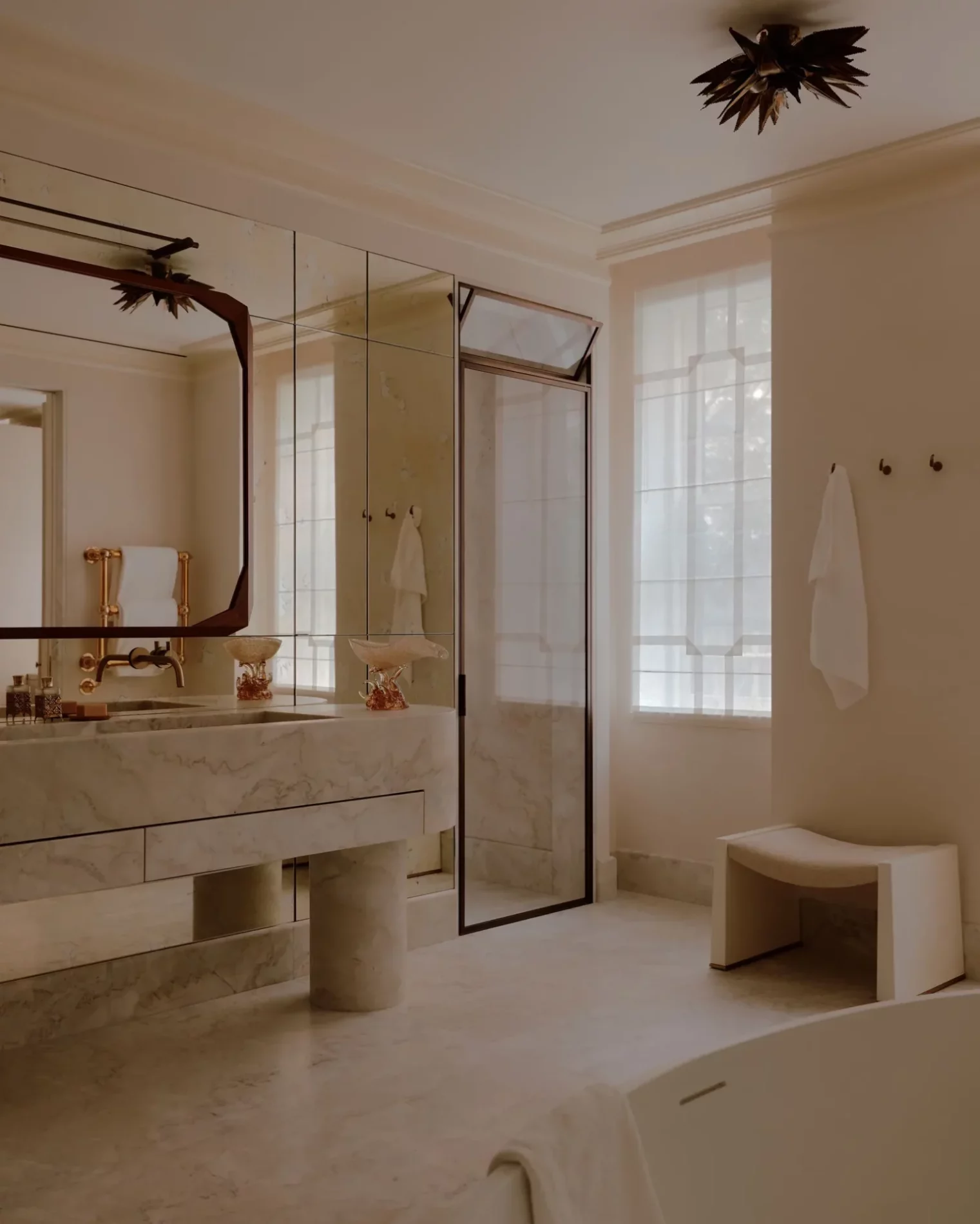
Operating in New York’s high-end residential market, Pro Design’s portfolio is naturally packed with high-profile clients including famous names, billionaires and tech leaders, with much of its work featured on Architectural Digest and other publications. Without naming names, David says that “they’re all good jobs, challenging jobs. These clients have a whole team of architects, designers, engineers, and general contractors that you have to satisfy. The precision, the timing, the manpower, all of that comes into play big time. Every job, from penthouses to beautiful town homes, is a nice job to me. We do work anywhere from $1000 to $10 million. Whatever comes along, we handle it. If you’ve got a client who’s feeding you with work and then relying on you to handle a smaller job, you never say no. So, anything that comes our way, small, big, complicated, simple, we handle it.”
“Quality, manpower, precision, coming in on time – all of that matters.”
While Pro Design is capable of doing almost anything with marble and tile, for David, “the more complicated and the more intricate the job, the better.” It’s clear that when it comes to delivering custom projects on program and to the highest quality standards, the Pro Design team is not just up for the challenge, but actually enjoys it. With 150 employees Pro Design is one of the top three custom stonework companies in New York and one of the largest in the field. The company has been able to transcend some industry pressures by maintaining this skilled team, and as a result, the job gets done right no matter how intricate. This allows Pro Design to remain competitive in an increasingly competitive industry, because there are less companies who can contend with its size and skill. “There’s one or two commercial companies out there that are larger, but I don’t think anybody has more employees than we do.” But when it comes to staying on top in a difficult industry, it’s not just about the number of employees. David reflects on a fast-moving construction landscape that demands quality and speed in equal part. “Quality, manpower, precision, coming in on time – all of that matters. It’s easier said than done to stay on top of all that. There are challenges with projects that are moving fast and maybe not developed enough as far as design and drawings go, and then there’s challenges with manpower and skilled labor. The market today is more challenging than ever. Projects are not developed enough when they’re put out there, so there’s more focus on having in-house drafting people. Everybody wants renderings nowadays and everybody’s in a rush. The timing given to complete the project is getting shorter and shorter, and the drawings are less and less developed. The architects get the project, they put something together, first round and second round and third round, there’s a lot of estimating and re-estimating, and then even when the job starts, the project still might not be 100% developed, and so the process keeps going. That makes it harder to manage, but it’s also to our advantage because most of our competitors, at least smaller companies, don’t have the staff or talent to keep up with that.”
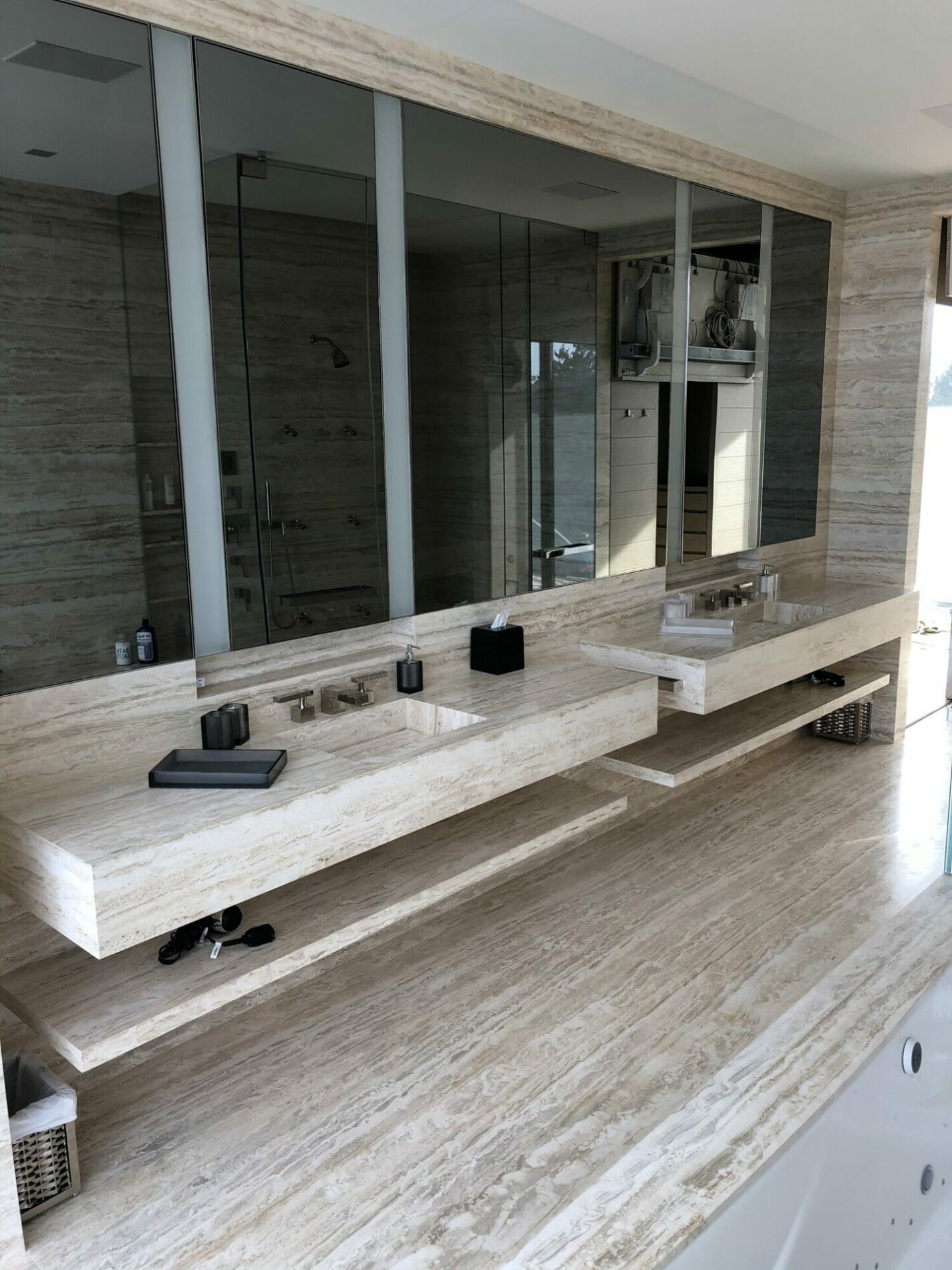
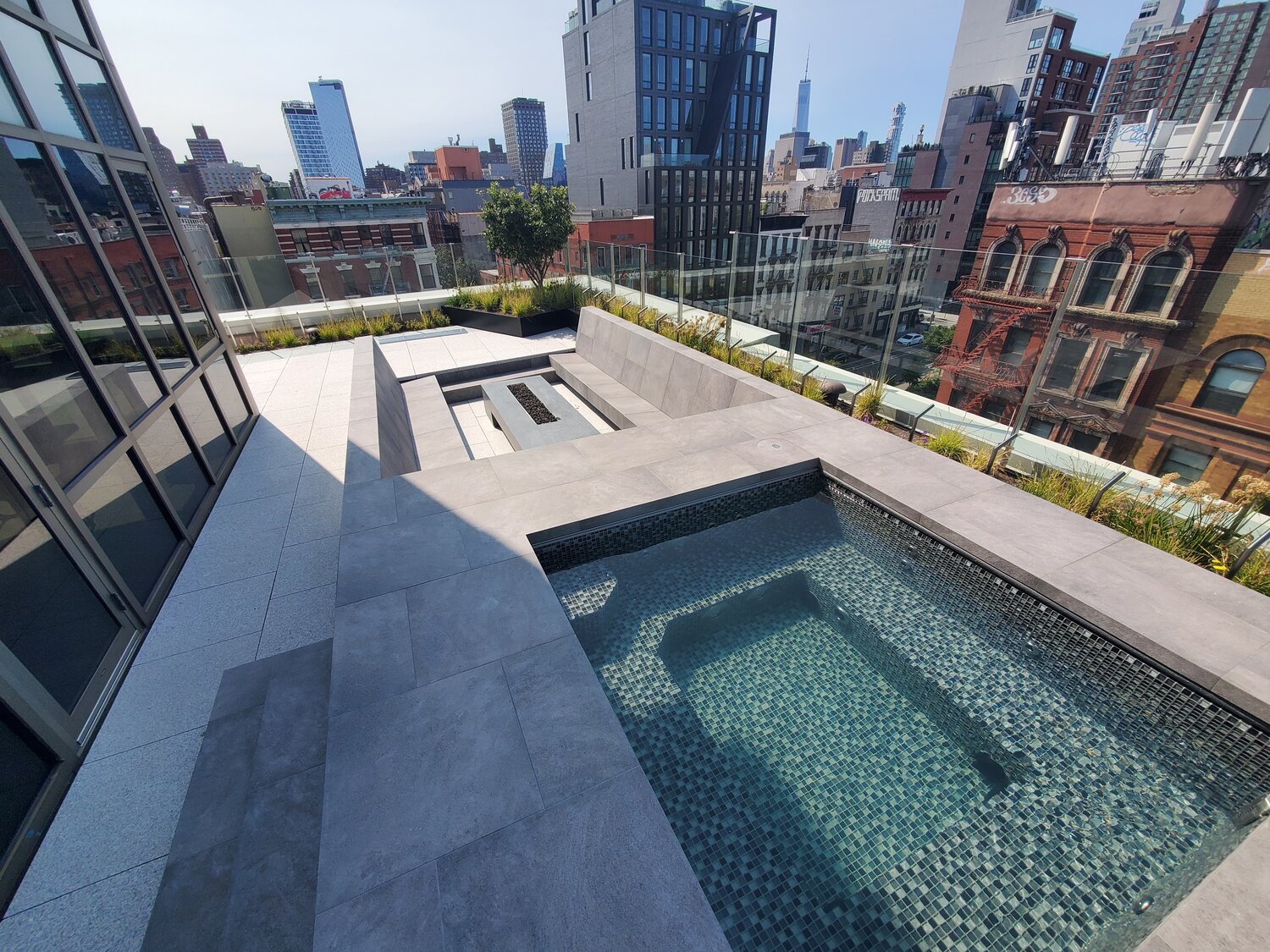
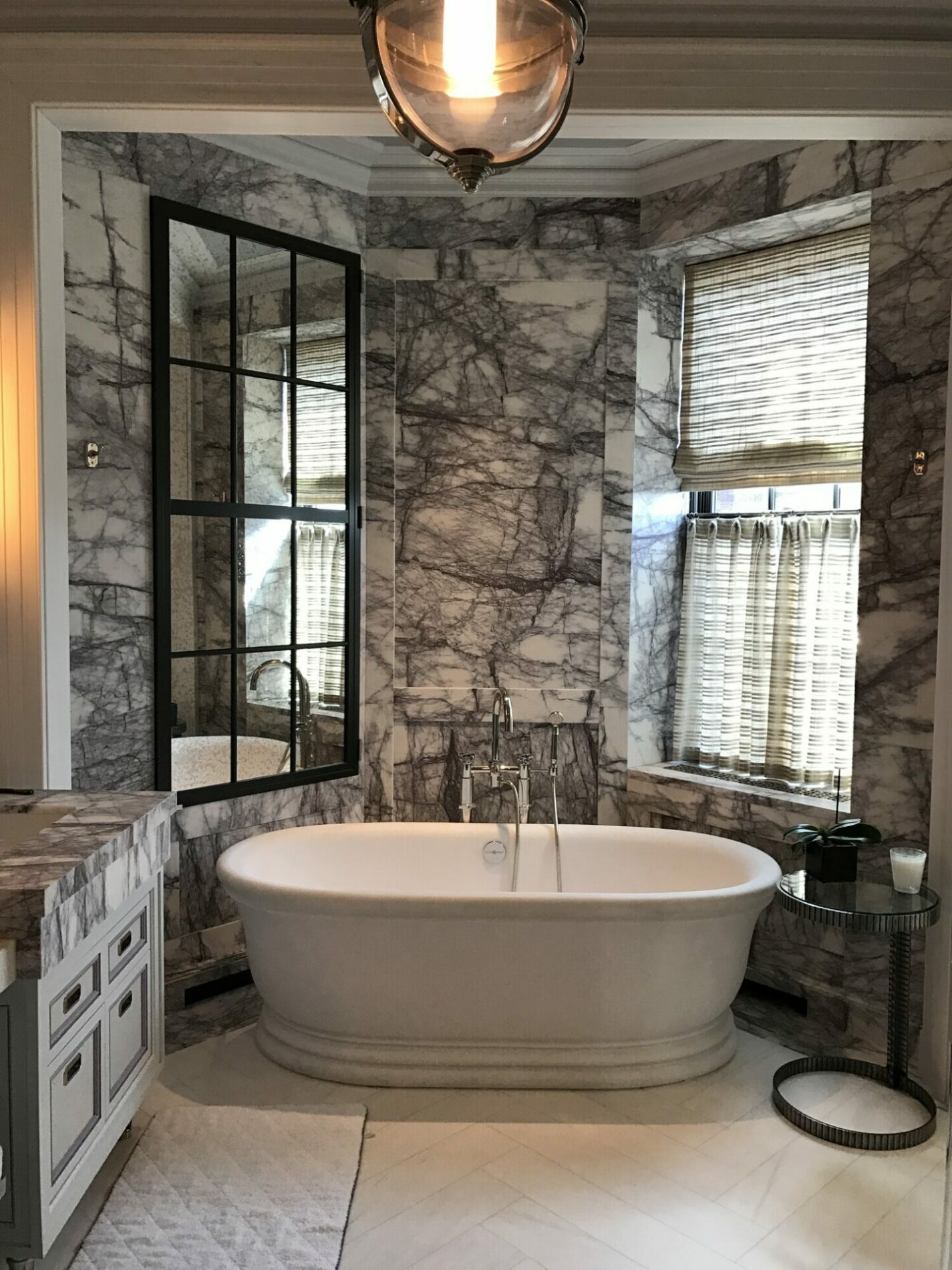
There was no big a-ha moment that got Pro Design to where it is today. Instead, it was constant and steady progress. While the 2008 recession and the global pandemic naturally had an impact on growth for a time, Pro Design pushed through and maintained its upward trajectory. “Steady progress is what I preferred,” says David. “Jumping quickly, you can fall on your nose, maybe you can’t keep up with the manpower or you damage the reputation you have. The progress and the development of the company has been slow and steady for 30 years. Every year we pick up a couple of new clients and we do a little more than the year before. We never advertise anywhere, so it’s basically all referrals. Do a good job and you get the next job; that’s has been my motto and it’s been working well. We’ve got some talented staff all round from estimating to craftsmen in the shop to everything that follows; the purchasing, drafting, accounting. The company is well set up with all layers that we need to run.” As such, Pro Design is not driven by rapid growth and the pursuit of perfection but rather by putting in place company-wide systems that allow it to stay on top of an often-unforgiving industry. “Construction is not an easy business these days. You do ten good jobs, and you mess up one, and you’re back to square one. It’s a very unforgiving industry. If something goes wrong your clients start thinking, let me see what else is out there. And mistakes happen. You got so many jobs, so many people. All it takes is for somebody to make a silly mistake, so it’s how do you react to those mistakes? People will be forgiven if you correct them immediately and you don’t make a problem for the client or the general contractor or architect. The smart understand that mistakes will happen, so how you bounce back from them is very, very critical. It’s not easy to stay on top. It’s constant pressure, constant work and constant focus.”
For Pro Design the solution – though not without challenge in today’s skilled labor shortage – is to get more feet on the ground. To meet tight deadlines without sacrificing quality, David knows that stretching resources to breaking point won’t do. “Having a good setup, having a good amount of machinery which is a key these days in a fabrication shop, and having good staff and craftsmen out there, gives us the ability to pull pieces around if you need to, which maybe smaller companies are not going to have.” With a large team of skilled workers, Pro Design has found a way to complement quality with quantity, instead of choosing between the two. “If I have 70 installers out there, I can shift them to where they need to be, maybe more than somebody else can. We’re able to manage high pressure or fast-moving jobs this way, probably better than most.”
Having experienced significant success in the high-end residential sector, David sometimes tells himself that maybe the company is fully grown and to leave it as it is. But because Pro Design consistently delivers quality work for satisfied clients, sometimes growth happens on its own. “I don’t necessarily need to grow much more, maybe 10% a year growth and I’m happy with that. If you do good work and you do the next job and the next job and you don’t say no, things kind of happen naturally. We plan to keep doing what we’re doing, and to do it better if we can. Keep a good name up, and keep looking forward to the next job, the next month, the next year.”
“This business will never be easy,” David continues. “Every Monday, it’s the beginning of a new week, new problems and new tasks that come from left and right field that have to be managed. It’s very challenging, but I have to say I kind of like it. Maybe it’s adrenaline, but I like challenges, and I like to roll up my sleeves every Monday and expect the same from everybody else, and then off we go. I still get excited coming to work every day, so I am going to be doing this until I retire one day, and hopefully by then somebody else is going to take over and continue.” For Pro Design, it’s not just about doing the hard work, but about loving it. Perhaps it is this ability – not just to face challenges head on but to do so with a good attitude, laser-focus, and a company-wide approach – that allows Pro Design to continue to move in the right direction in the face of an unpredictable and ever-evolving industry.