





There is a particular rhythm to paving in New England. The season opens in spring, the schedule fills quickly, and by fall the pressure is on to finish as much work as possible before cold weather closes the window. For Williams Paving, that cycle has repeated for more than 50 years, but the company moving through it today is very different from the one Bill Williams started in 1974. What has remained surprisingly consistent is the mentality behind the work. Bill had already spent years in the trade before deciding to go out on his own. His father had run a paving company, and Bill worked for several local contractors before establishing Williams Paving and beginning the gradual process of creating a business around his own standards.
The next chapter began decades later with his stepson, Brendan McGonagle. Brendan joined Bill straight out of high school in 2009 and found almost immediately that paving suited him. “He recognized that in me and helped me along in getting good at paving,” Brendan said. “And then I purchased the business from him when I was 27 in 2018.”
Bill remained involved for several years after the sale, allowing the transition to happen gradually rather than through a clean handoff. Brendan believes their ability to work together made that period particularly important. “What I think sets us apart from other businesses is that he and I worked very well together,” he said. “We understood each other, and I was willing to learn from him, and we were able to coexist in a workplace very well together.”
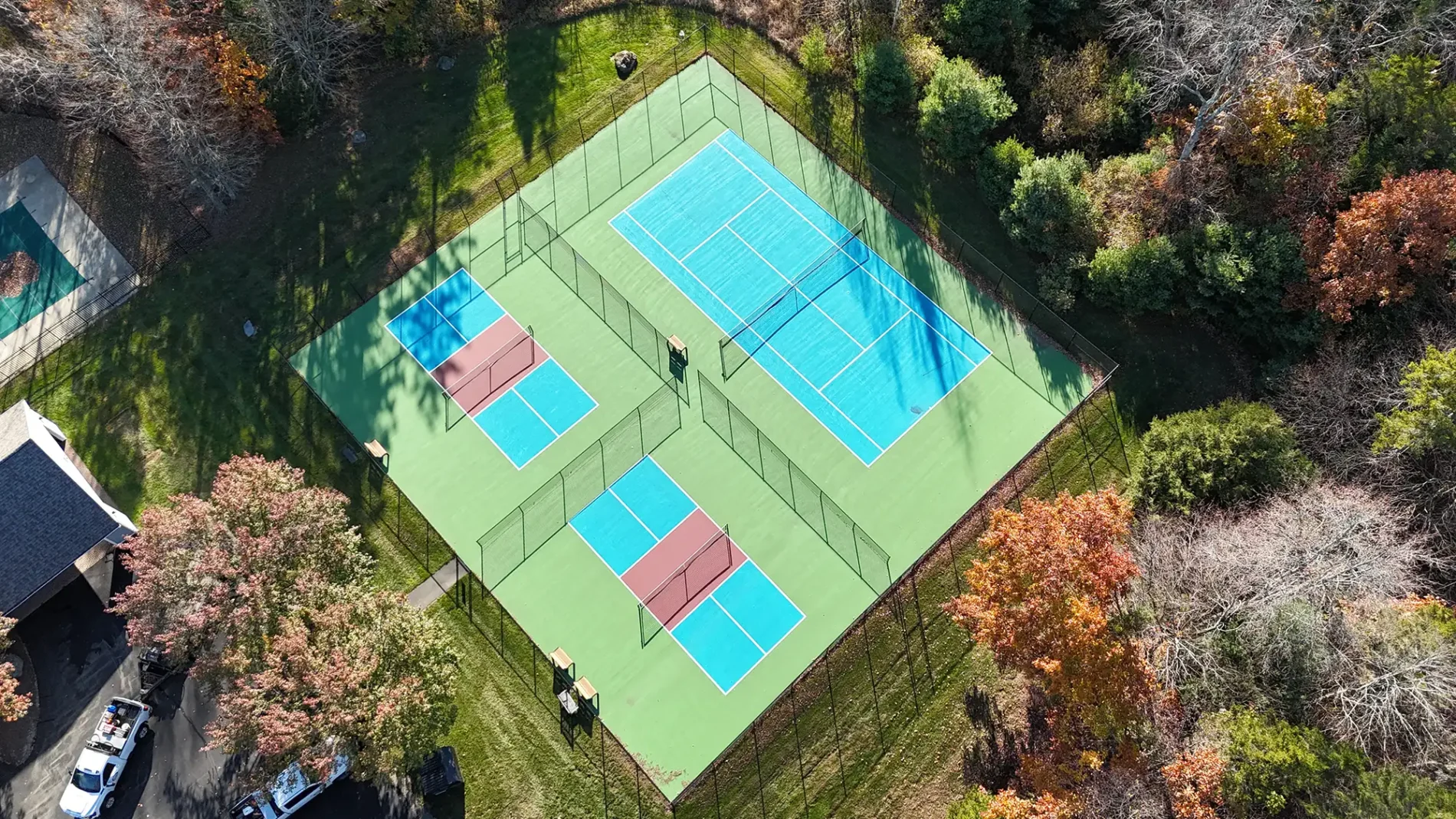
Today, Williams Paving works across Massachusetts, Connecticut, New York and Vermont, handling asphalt paving, oil-and-stone driveways, athletic surfaces and light excavation across residential, commercial and public work. The company is prequalified by the Massachusetts Department of Transportation and belongs to both the Massachusetts Aggregate and Asphalt Pavement Association and the National Asphalt Pavement Association.
Its growth has not meant moving away from the kind of paving that established the business. Driveways and private roads remain part of the workload. What has changed is the scale around them, particularly as Williams Paving has moved deeper into municipal and larger commercial work.
Brendan considers that move into public-sector paving one of the company’s most significant steps forward. It opened the door to a different class of project while bringing the business into closer contact with general contractors and other construction firms across Massachusetts.
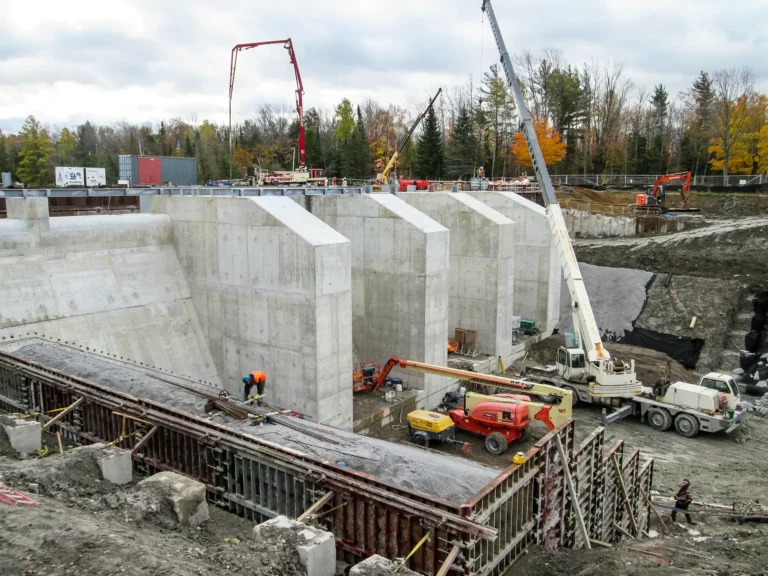
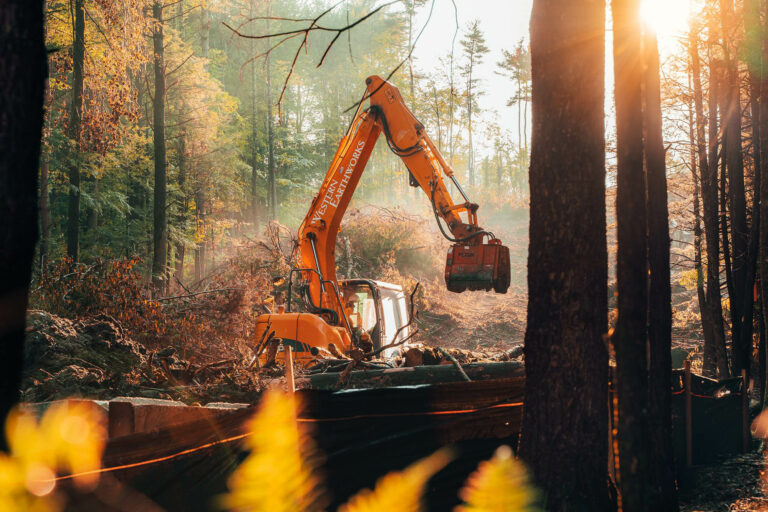
Some of those relationships have become recurring sources of work. Williams Paving has completed several projects for Western Earthworks, including a recent Department of Conservation and Recreation job in Irving, Massachusetts. “That was a big one; a lot of the work we’ve been doing has been high profile and a big part of our growth,” Brendan said.
Eagle Mills is another project he sees as representative of what the company does well. His description of it is characteristically understated: “Typically, that’s what we do.”
The comment says more than it might appear to. As the company has grown, larger and more visible work has become less exceptional. Projects that might once have represented a major departure are increasingly part of the normal run of the business.
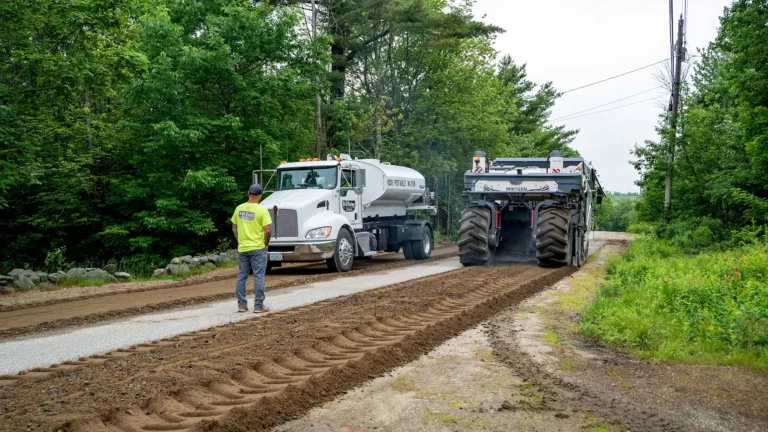
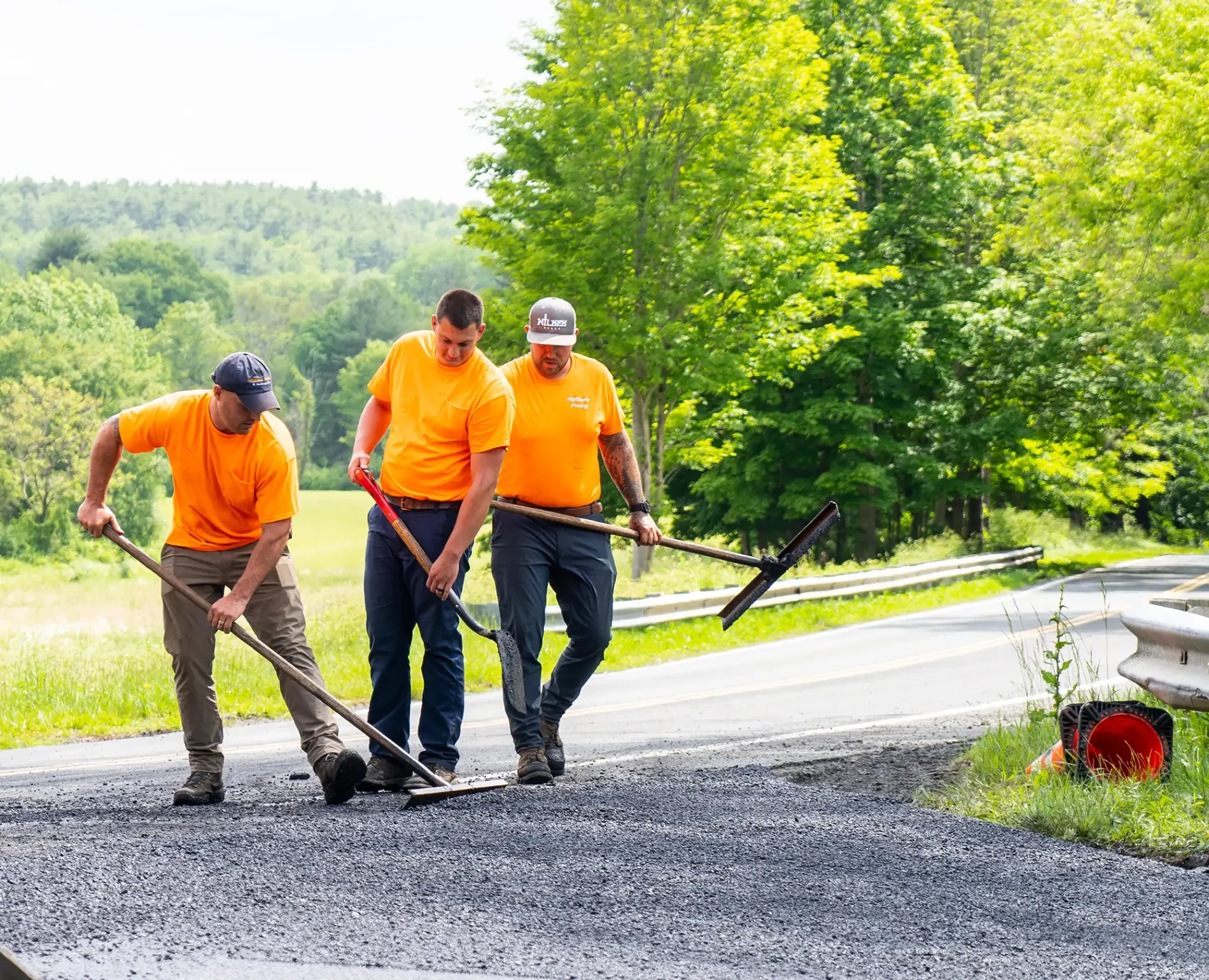
A current subdivision project in Hinsdale, Massachusetts, brings a different kind of challenge. Williams Paving is working through 38 driveways, each with a pitch of 1% or less, all of which must be removed and replaced. Roads throughout the site are also receiving full-depth reclamation before being repaved with 3.5 inches of asphalt.
The technical scope is only part of the difficulty. Residents remain in place throughout the work, requiring the crew to keep access, sequencing and cleanliness in mind while pushing toward the end of the paving season. “It has been an all-hands-on-deck project to try to get in and out as quickly and cleanly as possible so we can move on to other projects to finish out the season before the snow comes logistically,” Brendan said. The occupied setting has made that even harder. “It has been hard because most of the residents are full-time during every phase of the project, so it has been a challenge.”
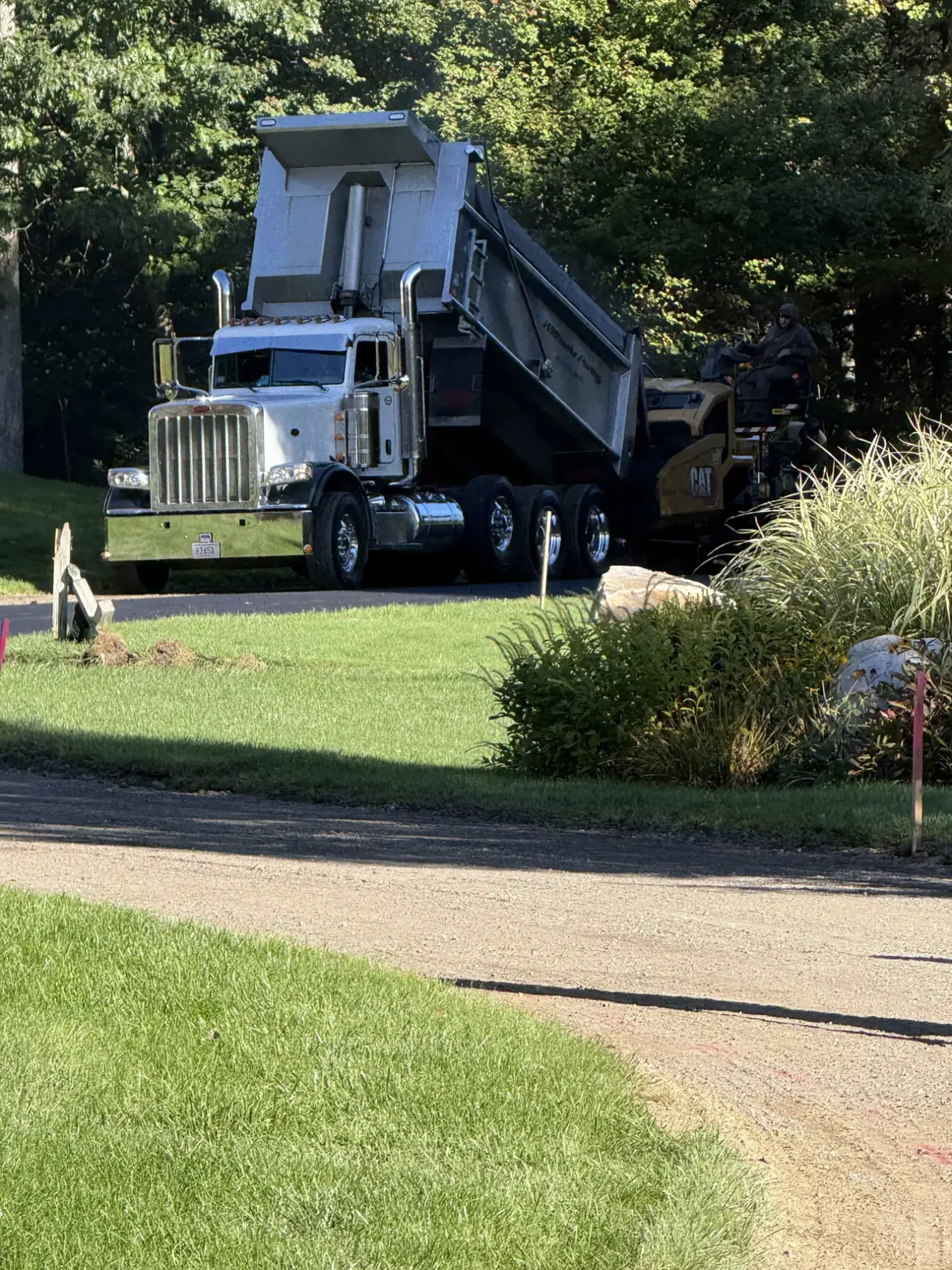
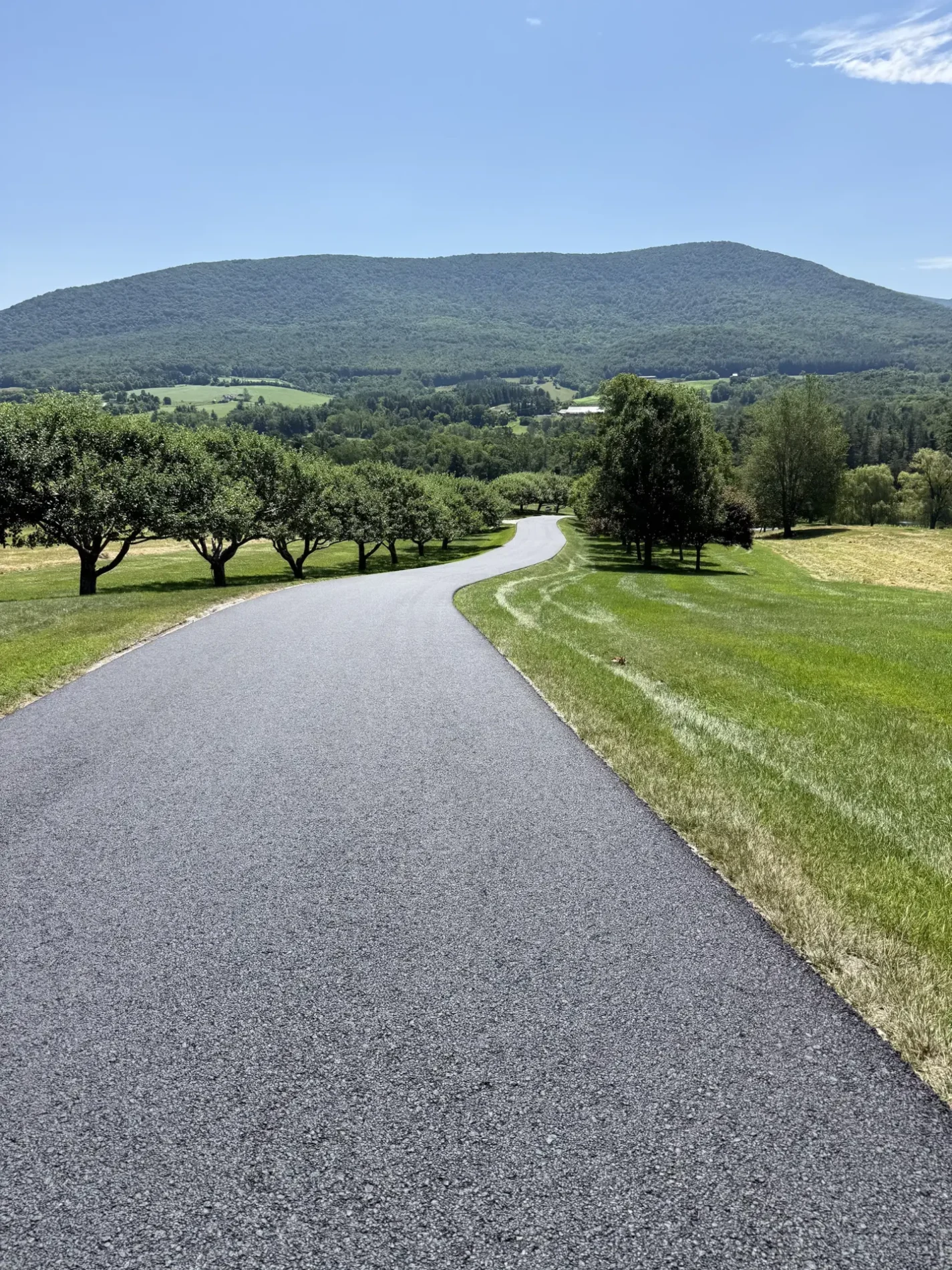
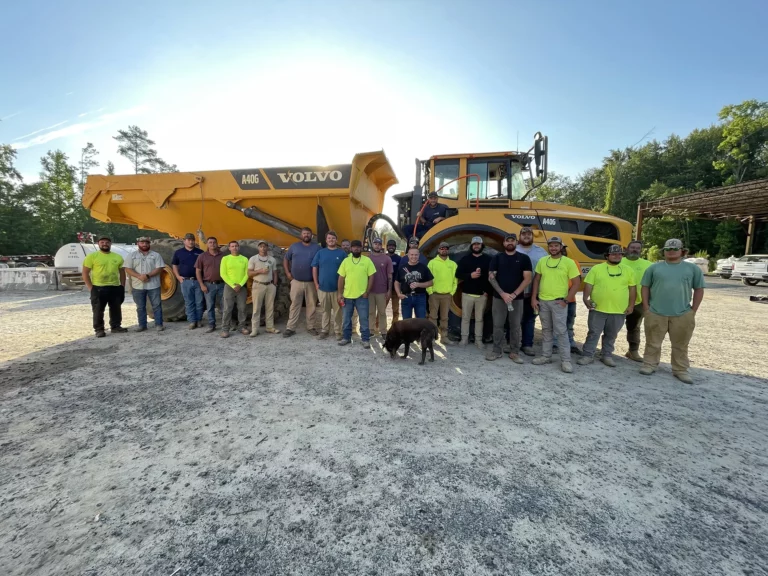
Jobs like Hinsdale underline something Brendan returns to repeatedly when talking about the company: paving is collective work. “I think the key to the success of the company is having a good crew,” he said. “Asphalt paving is a team sport, and if you can have a good team, you can accomplish anything in the paving world.”
“Asphalt paving is a team sport, and if you can have a good team, you can accomplish anything in the paving world.”
The point is practical rather than philosophical. A paving operation depends on people moving in sequence, from trucking and preparation through placement, rolling and finishing, often under schedule pressure and changing site conditions. One weak link can affect the entire operation. “The crew is a big part of the success of this company,” Brendan said.
Equipment and technology have evolved considerably since Bill started Williams Paving in the 1970s, but Brendan is equally interested in the knowledge behind the machines. During the winter, when paving in New England slows, he works as a trainer for CAT Paving, an experience that has taken him well beyond the company’s usual territory.
“I try to stay in the industry and grow and learn as much as I possibly can in the off-season,” he said. “I have traveled to other places and paved; I’ve been to the Virgin Islands and St. Croix and worked with paving crews there.”
Seeing other crews operate gives him a chance to compare methods rather than assume that the way Williams Paving already works is the only way. “I’ve seen how a lot of other people do it, and that is how I like to grow,” Brendan said. “I like to take things from other people that I see and that I think are interesting and apply them to my own crew.”
This willingness to keep learning feels particularly relevant to a company whose ownership itself passed from one generation to the next through years of working side by side. Brendan learned the business from Bill, but he has not treated that inheritance as something fixed. Instead, the company has continued adding municipal work, expanding its geographic reach and investing in equipment and training while retaining the kind of smaller private work around which its reputation was first established. Customer relationships remain part of this continuity. Williams Paving encourages clients to ask questions throughout a project, and its supplied material points to repeat work with homeowners, commercial clients and municipalities. The same approach extends to contractor relationships, where repeat assignments have become part of the company’s growth.
For now, however, the immediate challenge is the calendar. Williams Paving typically operates from the middle of April until the day before Thanksgiving, when winter weather generally brings the season to a close. Those final weeks can be among the busiest of the year, with crews trying to finish committed work before temperatures fall too far. “Our goal is to pump out as much paving work as we can until then, and then take a break over the winter and get back at it in the spring,” Brendan said.
When the 2027 season arrives, the plan is deliberately measured. Williams Paving wants to continue growing across Massachusetts, take on larger paving work and add a few key people without losing the crew culture Brendan sees as central to the business. “The hope for 2027 is to learn every day about how to get better, add a few key members to the team, and just keep plugging along,” he said. This ambition is telling. More than half a century after Bill Williams went out on his own, the company is larger, operates across several states and works on projects that would have represented a very different scale in its early years. Brendan is not particularly interested in size for its own sake. “We don’t want to be the biggest paving company in Massachusetts,” he said. “But we want to be the best—that is our goal.”
For Williams Paving, the next stage appears less about changing direction than continuing a process already well underway: learning from the work, taking care of the crew and being ready when the next season opens.