





For more than two decades, Holladay Construction Group has approached real estate development with a clear objective: to support projects from conception through completion with a disciplined, client-focused delivery model. What began in 2006 as an arm of a real estate development company has evolved into a fully differentiated construction brand, now sitting on nearly $1.3 billion in completed projects, with a growing pipeline of active dollars at work.
Billy Mattingly, Executive Vice President of Holladay and lead of the Indianapolis office, attributes much of that trajectory to a pivotal restructuring in 2019 and 2020. The move allowed construction executives to assume ownership stakes and gave Holladay’s four operating offices—Indianapolis; Chicago; South Bend, Indiana; and Portage, Indiana—greater autonomy within their respective regions. “We’ve seen some returns on that decision, and sustained growth,” Mattingly says.
That restructuring sharpened the company’s regional responsiveness while reinforcing accountability at the leadership level. It also strengthened Holladay’s ability to operate as a stand-alone construction entity. While Holladay Properties continues to generate a meaningful portion of work, separating the construction arm has allowed Holladay Construction to build a reputation with third-party clients across the Midwest.
Annual volume typically ranges between $95 million and $125 million, with recent performance trending “towards the top end of that range,” according to Mattingly. The numbers are substantial, but the company’s identity remains grounded in delivery discipline rather than scale for its own sake.
Scott Brown, Vice President of Chicagoland, has been with Holladay for nine years and views the post-restructuring era as transformative. The shift, he says, strengthened not only delivery methods but also client relationships and the firm’s standing in the market.
“We deliver on our promises to hit the schedule, to hit the dollars, to hit the budget and make sure that, at the end of the day, the client is happy that they selected us,” Brown says. “At the end of the project, when we’re standing outside the building, cutting a ribbon, I think, ‘This is what gets me the most excited about working here.’”
“We deliver on our promises to hit the schedule, to hit the dollars, to hit the budget and make sure that, at the end of the day, the client is happy that they selected us.”
The emphasis on follow-through defines Holladay’s service offering. Austin Carlos, Project Manager of Chicagoland, notes that the firm is structured to support clients at virtually any stage of development. “We offer a range of services, which allows us to support our clients at any stage of the development process,” he explains.
That range includes pre-construction services—budgeting, design coordination and scope definition—alongside general contracting, construction management and design-build delivery. Holladay also offers consulting services in which it can represent owners onsite, providing a single point of contact to streamline communication and protect client interests.
The company’s typical client profile centers on developers. “I would say our customer segment is really development and developers, but we do work with some institutional and municipal entities,” Brown says. Over the past decade, three sectors have consistently risen to prominence across all offices. “I think three sectors have risen to the top. That would be the multi-family, the industrial, and the hospitality – in all of our offices,” he adds.
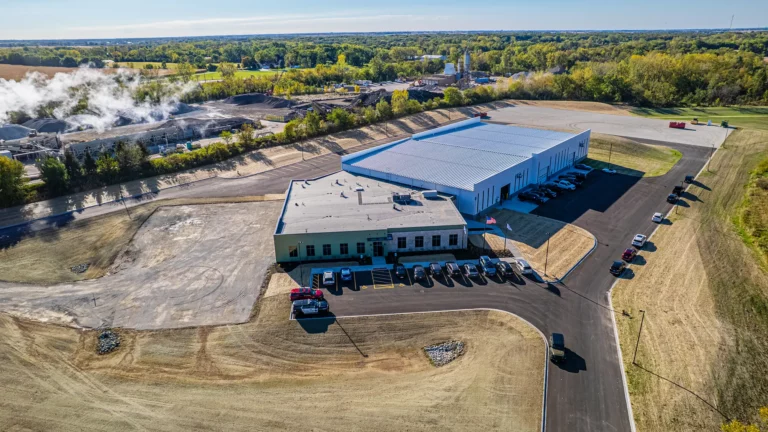
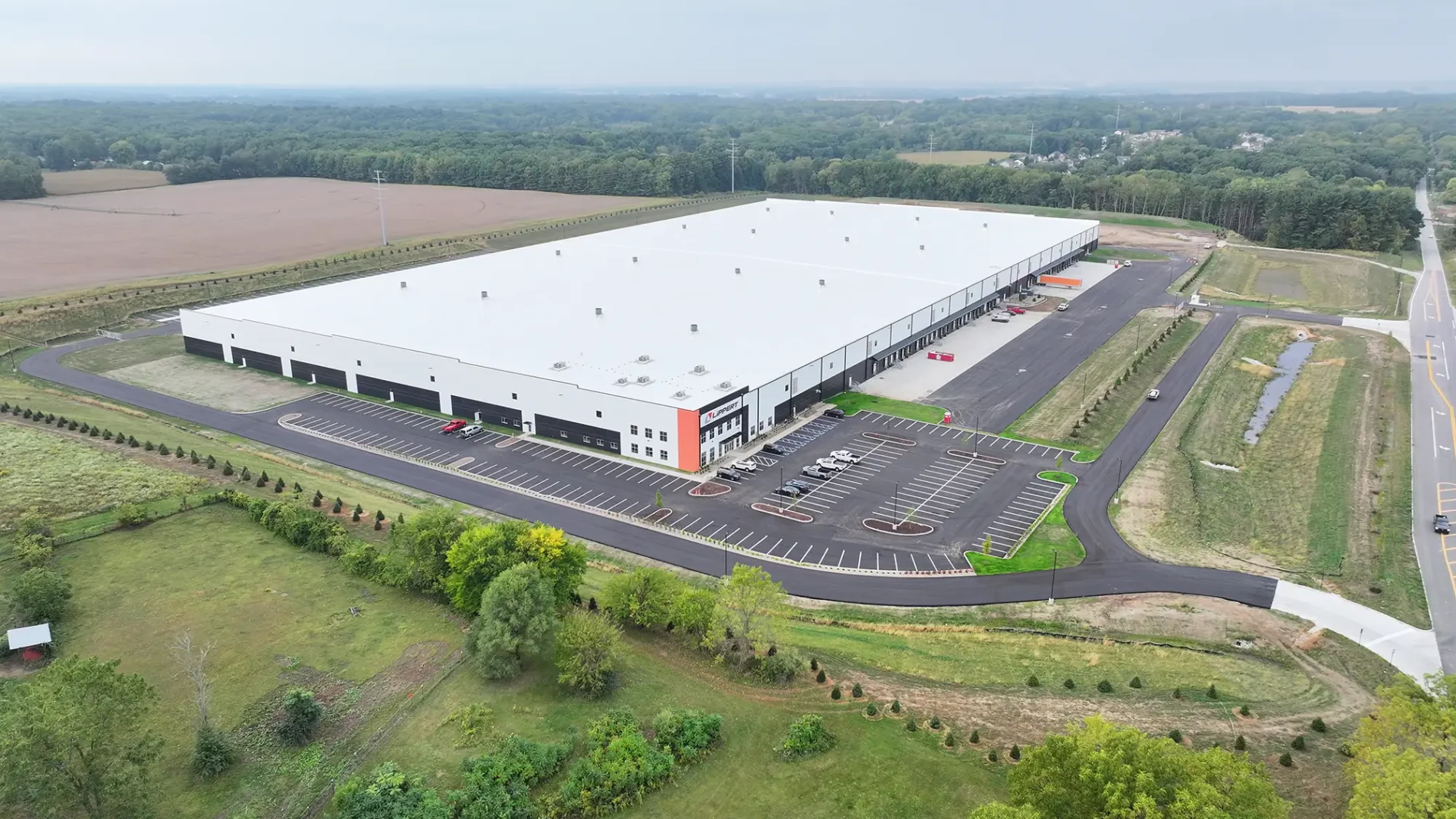
Recent projects reflect that portfolio. In South Bend, Indiana, Holladay delivered a 605,000-square-foot distribution center for Lippert, a dominant supplier in the RV Industry. The firm recommended both the architect and engineer, contributed conceptual pricing and completed construction in just 16 months. The speed of execution speaks to the company’s integrated approach during early design phases, where cost modeling and constructability analysis shape decision-making. In Indianapolis, Holladay is currently constructing an AC Hotel by Marriott, the first of its kind in Indiana. The six-story, 94,000-square-foot hotel will include 135 rooms and is expected to be delivered in early 2027. Located in the city’s commercial district, the project complements nearby multi-family developments, office buildings and a parking garage, reinforcing the area’s growth trajectory.
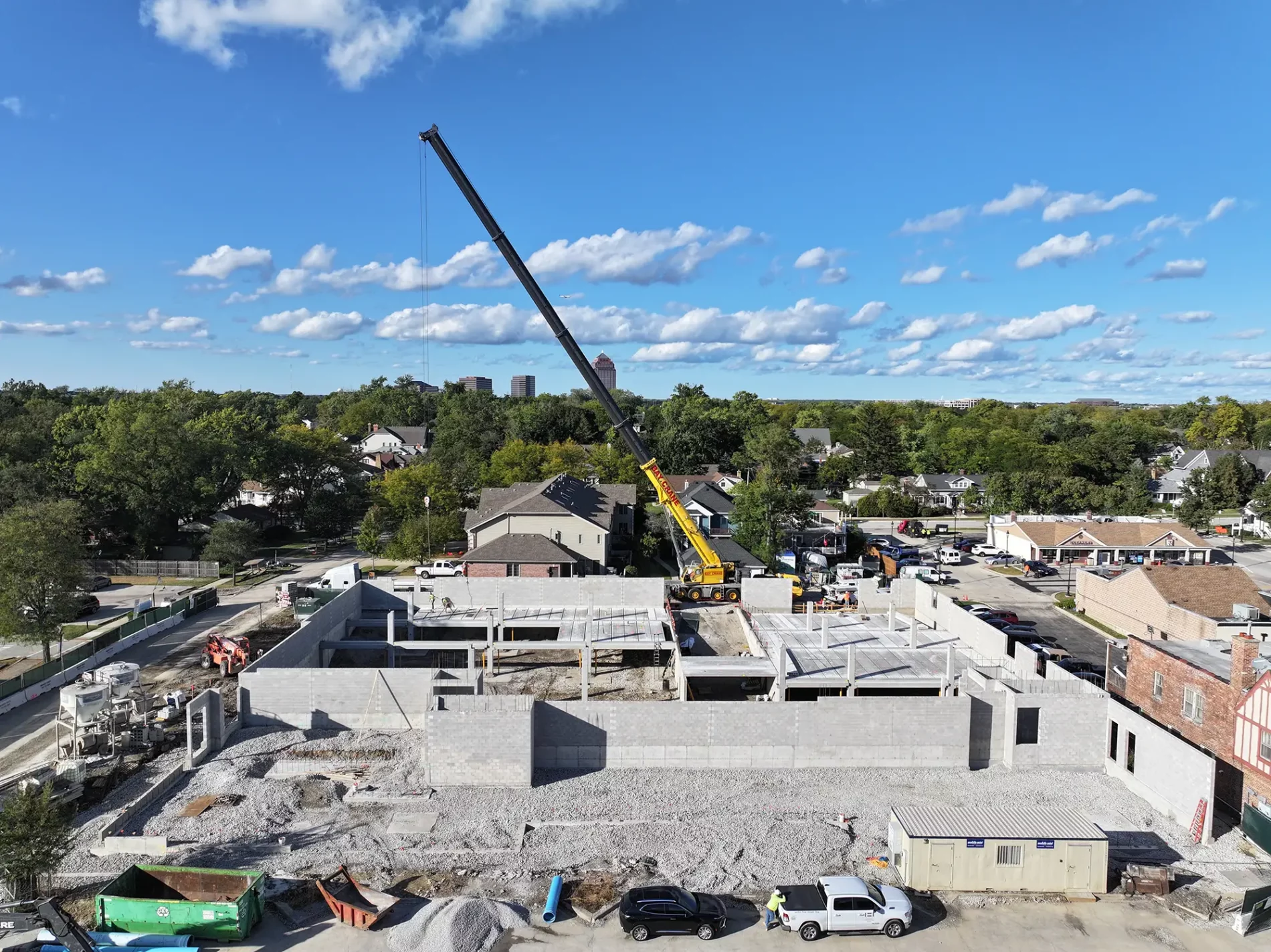
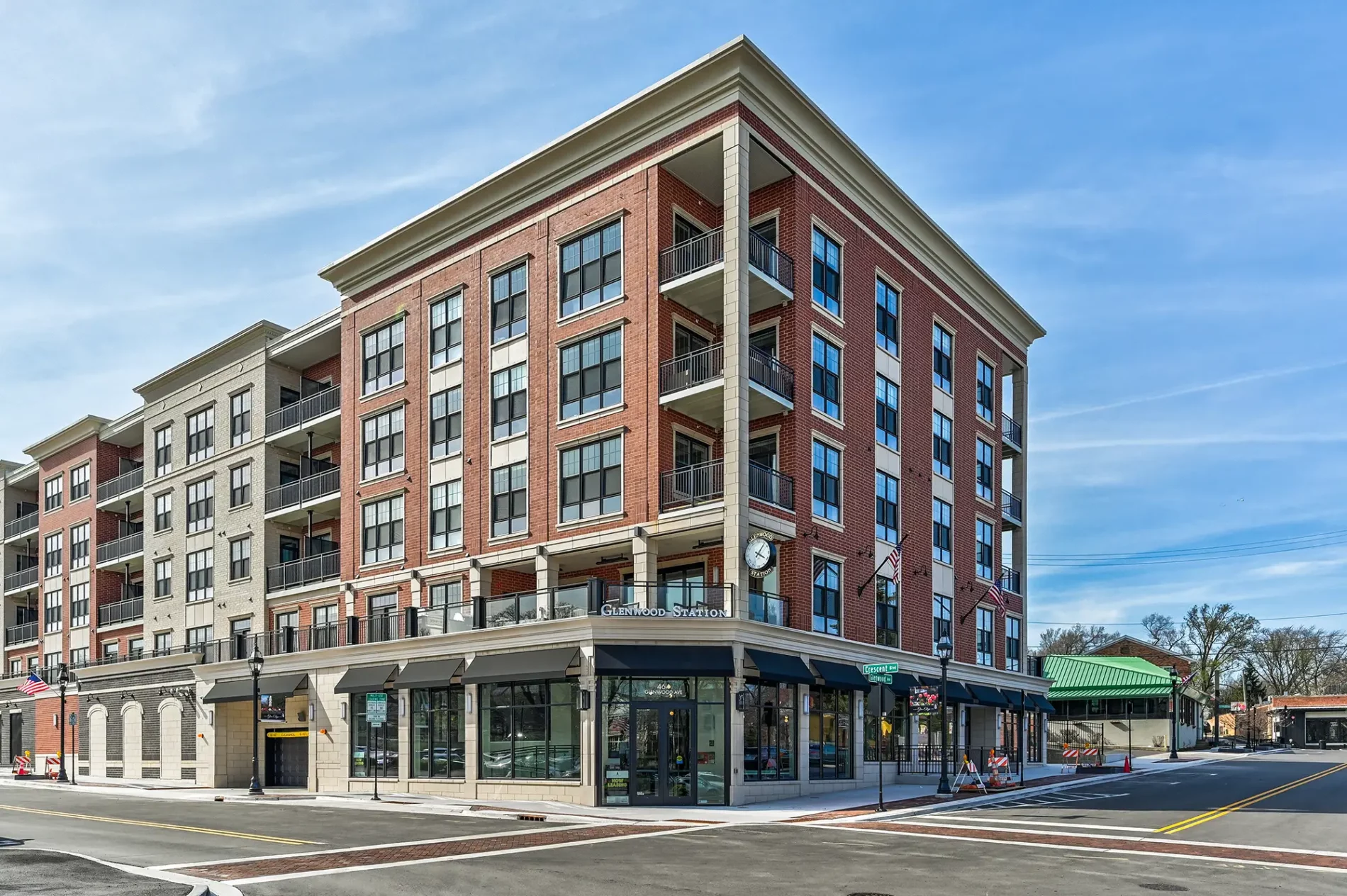
Chicagoland presents a different set of challenges. Glenwood Station, an 86-unit mixed-use development, stands six stories high, incorporating two levels of parking and an all-masonry façade. Complex topography required Holladay to drill beneath two adjacent structures, under proper permits, to retain 18 to 20 feet of earth from the foundation. The solution demanded careful coordination between engineering disciplines and strict sequencing in the field. Similarly, in Itasca, Illinois, the company is delivering Itasca Station, an 87-unit luxury multi-family residence situated adjacent to a commuter train station. The project combines a precast podium, cast-in-place concrete foundations, structural steel and wood-frame construction above the podium. Holladay collaborated with Excel Engineering to align structural systems with architectural, mechanical and delegated design components. The adjacency to commuter rails reinforces the firm’s alignment with transit-oriented development trends throughout the Midwest.
Beyond individual projects, leadership sees expansion as both measured and deliberate. Brown notes that experience in core sectors provides a platform for geographic growth. “We’re also leveraging the experience and reputation we’ve built across multifamily, hospitality, industrial, and commercial projects throughout the Midwest. That foundation positions us to take on work in new regions and expand into markets where we haven’t previously operated,” he says. Current out-of-state assignments include hotel developments in Pittsburgh, Pennsylvania, and Savannah, Georgia, with additional opportunities on the horizon.
Mattingly underscores that expansion will not come at the expense of discipline. “We’re going to be sensible about that approach, but we have to leverage our people. We have to leverage our clientele and leverage our reputation in the market. With that, it just opens up possibilities for growth … and we’re being intentional and organic with that growth,” he says.
That phrase —intentional and organic, captures Holladay Construction Group’s operating ethos. Growth is not pursued reactively. It is structured around regional autonomy, relationship depth and sector expertise.
In an environment where market cycles can be volatile and project complexity continues to rise, Holladay’s model rests on predictability and trust. The company’s identity is not built around a single signature project, but rather on consistent delivery across hospitality, multi-family and industrial work. Its restructuring strengthened internal ownership; its geographic footprint expanded thoughtfully; and its portfolio reflects a balance between private development and institutional engagement.
At its core, Holladay Construction Group operates with the understanding that construction is more than execution. It is stewardship of capital, schedule and client confidence. From early-stage budgeting to ribbon-cutting, the firm’s trajectory over the past twenty years illustrates what sustained discipline, regional focus and relationship-driven growth can achieve.