

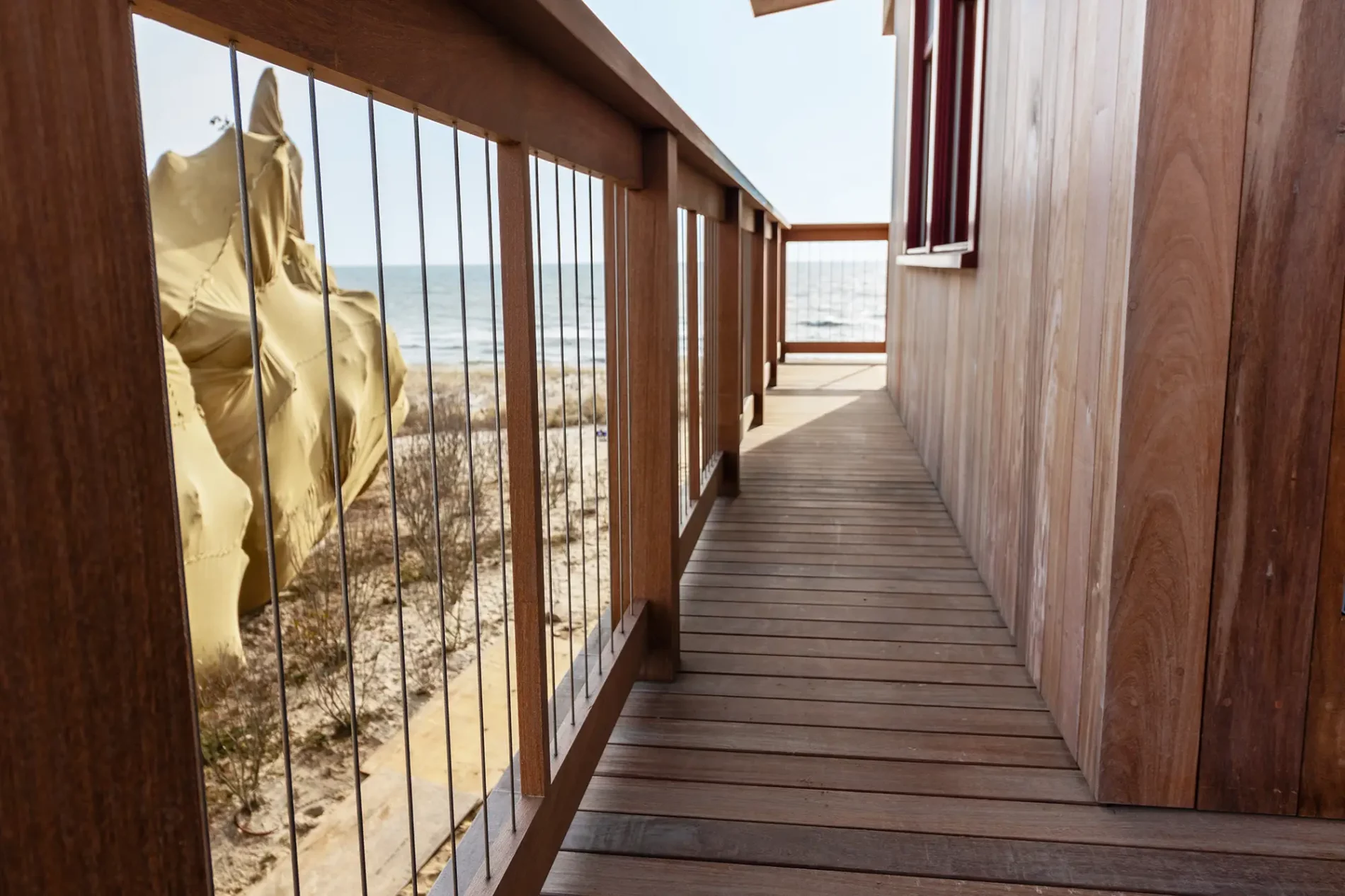
Nill Building Solutions was born out of a necessity to find a solution to the persistent issue affecting glass railings across the region. Installations were leaking, and the available construction methods offered no reliable way to prevent water intrusion. The absence of a workable solution prompted Nill to develop one himself. “I just came up with this idea on how to do it – that won’t leak,” he explained. “It was like an epiphany. It didn’t exist. I filed patents worldwide, immediately. Now we’re installing all over the world.”

“It was like an epiphany. It didn’t exist. I filed patents worldwide, immediately. Now we’re installing all over the world.”
Today, Nill serves as CEO of Nill Building Solutions, a company built around patented attachment systems designed to integrate waterproofing directly into structural connections. The breakthrough began in Nill’s workshop, where he developed a fastening system now known as the NB1C. The solution allows glass railings and other structural attachments to connect to buildings without compromising waterproof membranes, eliminating one of the most common causes of long-term building damage. According to the company’s technical materials, the mounts are designed to anchor securely into the structure while remaining fully sealed with the membrane. This approach creates a waterproof connection point that protects the structure from water infiltration.
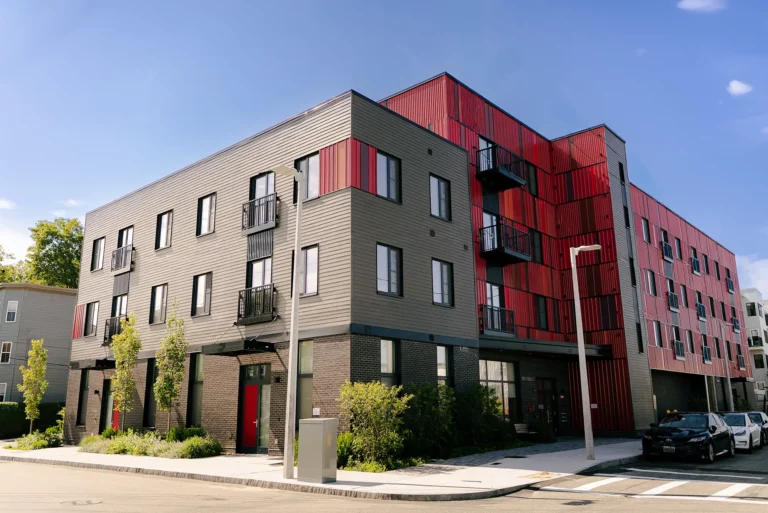
From that original innovation, the company has expanded its intellectual property portfolio significantly. Nill Building Solutions now holds multiple patents, along with additional patents pending in more than 40 countries. Its products are manufactured at facilities across the United States and abroad – and are distributed internationally, reflecting the growing demand for systems that address waterproofing and structural attachment simultaneously. Although the NB1C system was initially developed to address issues associated with glass railings, Nill recognized that the underlying principle had broader application across the building envelope. That insight has since informed the company’s wider offering. Today, Nill Building Solutions provides mounting and fastening systems designed for critical attachment points throughout commercial, industrial, and residential construction, extending the same approach that shaped the original NB1C system into a more comprehensive solution.
Among the most common uses are railings, doors, windows, and structural concrete attachments. In these installations, the company’s systems increase structural loads while maintaining the integrity of the building’s waterproofing membrane. By eliminating exposed fasteners and relying on integrated connection points, the system removes the vulnerabilities that often occur when sealants and mechanical anchors are installed after waterproofing is completed. The technology has also been adapted for stucco assemblies and rainscreen systems, where water management is critical to long-term building performance. Nill’s mounts and fasteners create sealed connection points that allow builders and designers to maintain control instead of relying on environmental conditions.
Another application can be seen in post installations on membraned roofs, where maintaining the integrity of the waterproof layer is critical. The system incorporates stainless mounting anchors, threaded rods, pre-drilled posts, and the associated hardware required to secure structural elements without compromising the membrane beneath. By preserving that continuity, it prevents the leaks that commonly develop around rooftop penetrations.
Solar energy installations represent a further and growing area of application. Traditional mounting systems often involve a compromise between secure structural anchoring and effective waterproofing. Nill’s attachment systems are designed to eliminate that trade-off, enabling solar panels to be positioned for optimal sun exposure while maintaining the integrity of the building envelope.
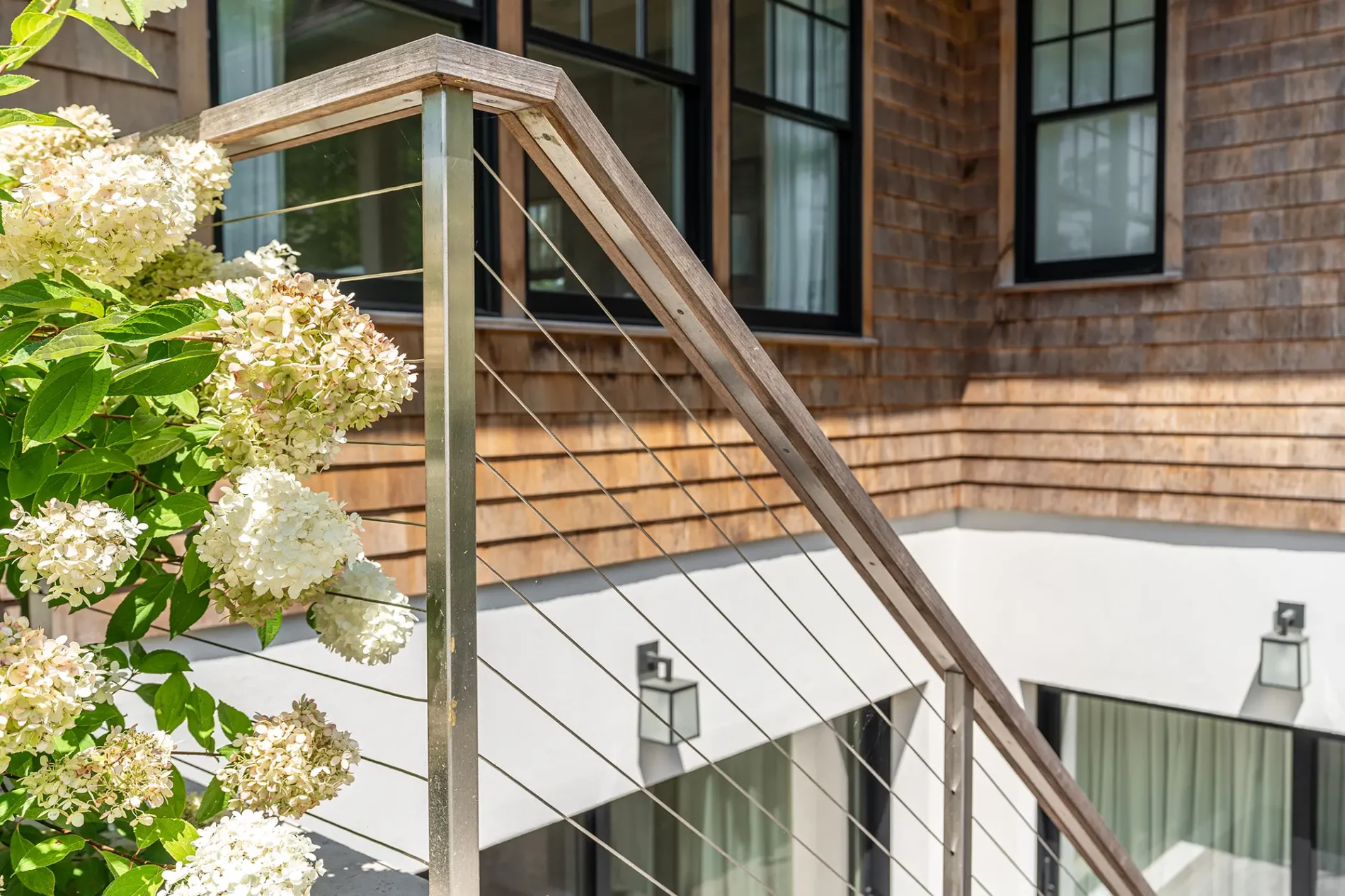
The same principle applies to plumbing and electrical penetrations. Conventional construction methods frequently address waterproofing only after attachments are installed, relying on sealants or secondary measures to prevent leaks. Nill’s patented approach instead integrates load-bearing connections with waterproof protection at the outset. As the company describes it, the technology treats structural attachment and moisture protection as a single design condition rather than two separate concerns.
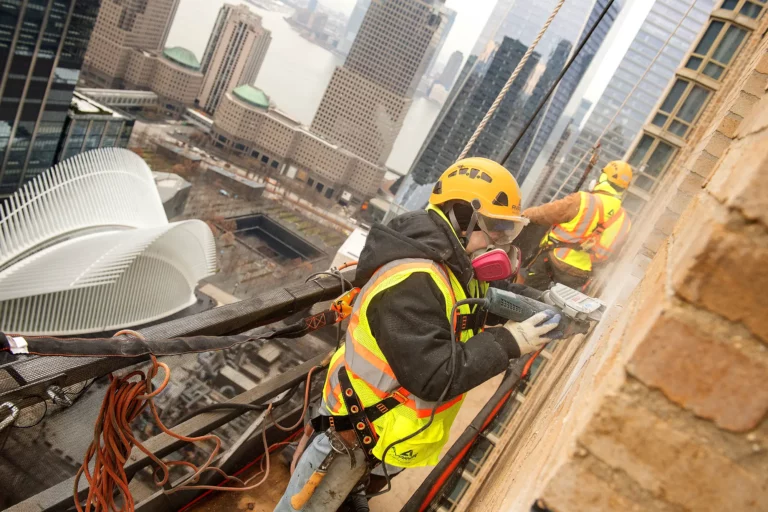
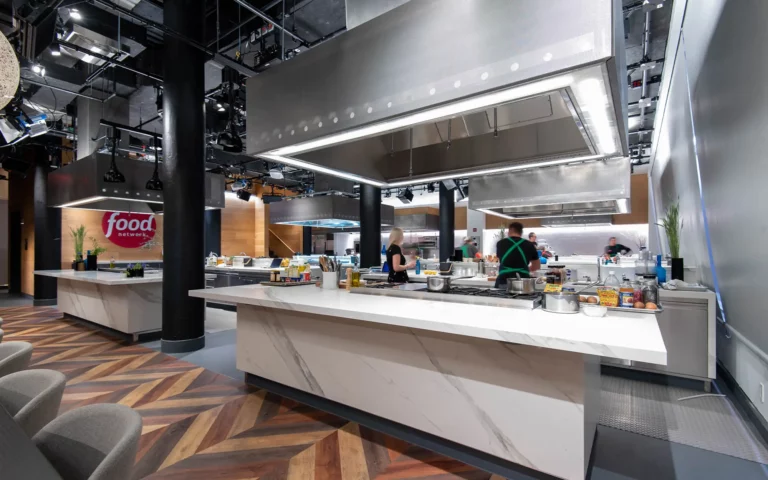
These systems have been deployed in a wide range of projects, including some of the most recognizable buildings in the United States. One example is the Freedom Tower in New York City, the tallest building in both the United States and the Western Hemisphere. Other projects demonstrate the system’s flexibility across different building types. At the Kimpton Hotel, Nill fasteners were used for curtain-wall embeds across the building’s first six stories. Meanwhile, a residence designed by Steven Harris Architects—featured on the cover of Architectural Digest—incorporates Nill waterproofing technology across the entire building envelope, including windows, storm guards, drainage systems, and even the building’s lightning rod. For Nill, these innovations are the result of decades spent working directly in the construction trades. He began his career roughly 40 years ago with his father’s company, Nill Brothers Roofing, located in Huntington Station, New York. That early exposure to roofing and waterproofing systems gave him firsthand experience with the challenges of protecting structures from water infiltration.
Nill describes himself as a waterproofing expert, emphasizing that his company’s technology addresses one of the most persistent and costly problems in construction. Water intrusion can occur in even well-designed buildings when structural attachments penetrate protective membranes. Traditional solutions frequently rely on caulking or sealants, which degrade over time and require repeated maintenance.
Instead, Nill Building Solutions focuses on eliminating the vulnerability altogether by integrating waterproofing directly into the attachment system. According to Nill, the benefits extend beyond durability to environmental impact as well. By preventing water damage and reducing the need for repairs or replacement materials, the systems can reduce the amount of construction waste generated over the life of a building.
“You have less damage, less landfill use than when you’re ripping it out and repairing it,” he said.
With the industry increasingly recognizing the value of this approach, Nill is poised to set a new standard for building durability. Through that philosophy, Nill Building Solutions has positioned itself at the intersection of construction, engineering, and product innovation. What began as a practical solution to a jobsite problem has evolved into a technology platform designed to improve the durability and performance of buildings around the world.