
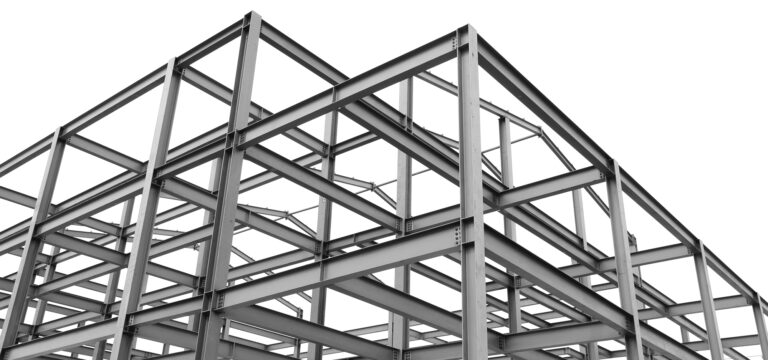
Allied Steel Buildings was founded on a simple question that continues to shape the company more than two decades later: what does the client need that the industry is not already providing? Since 2003, that question has guided the company’s growth from an entrepreneurial idea into an international steel building provider with manufacturing facilities in Spain and McGregor, Texas, and teams working across Spain, Costa Rica, Panama, Canada, and the United States. The company fabricates light-gauge, pre-engineered metal buildings and conventional steel structures, using multiple systems to develop solutions that fit the specific demands of each project rather than forcing clients into a single standardized model.
Founder Michael Lassner came to the industry with an advertising background and a strong entrepreneurial instinct. After working with a partner in the steel building sector, he saw an opportunity to create a business that placed the client more directly at the center of the process. “When they parted ways, Michael was on a mission to build a model with a greater focus on the client’s needs,” explained Marines Hagemann, Director of Business Operations. That client-first model has grown into a broad offering that includes design engineering, fabrication, job-site delivery, global procurement, and installation support depending on the project. Allied Steel Buildings sees its role less as a conventional supplier and more as a company built to solve problems across the full delivery chain. “In international projects, we deliver all the way to the job site, unlike competitors who deliver only to the port,” Marines said. For some projects, that ability to coordinate procurement, logistics, fabrication, and site delivery becomes a major differentiator. “It’s not something we do for all projects, but we call ourselves solutionists – so for the right project, we can bring together different solutions.”
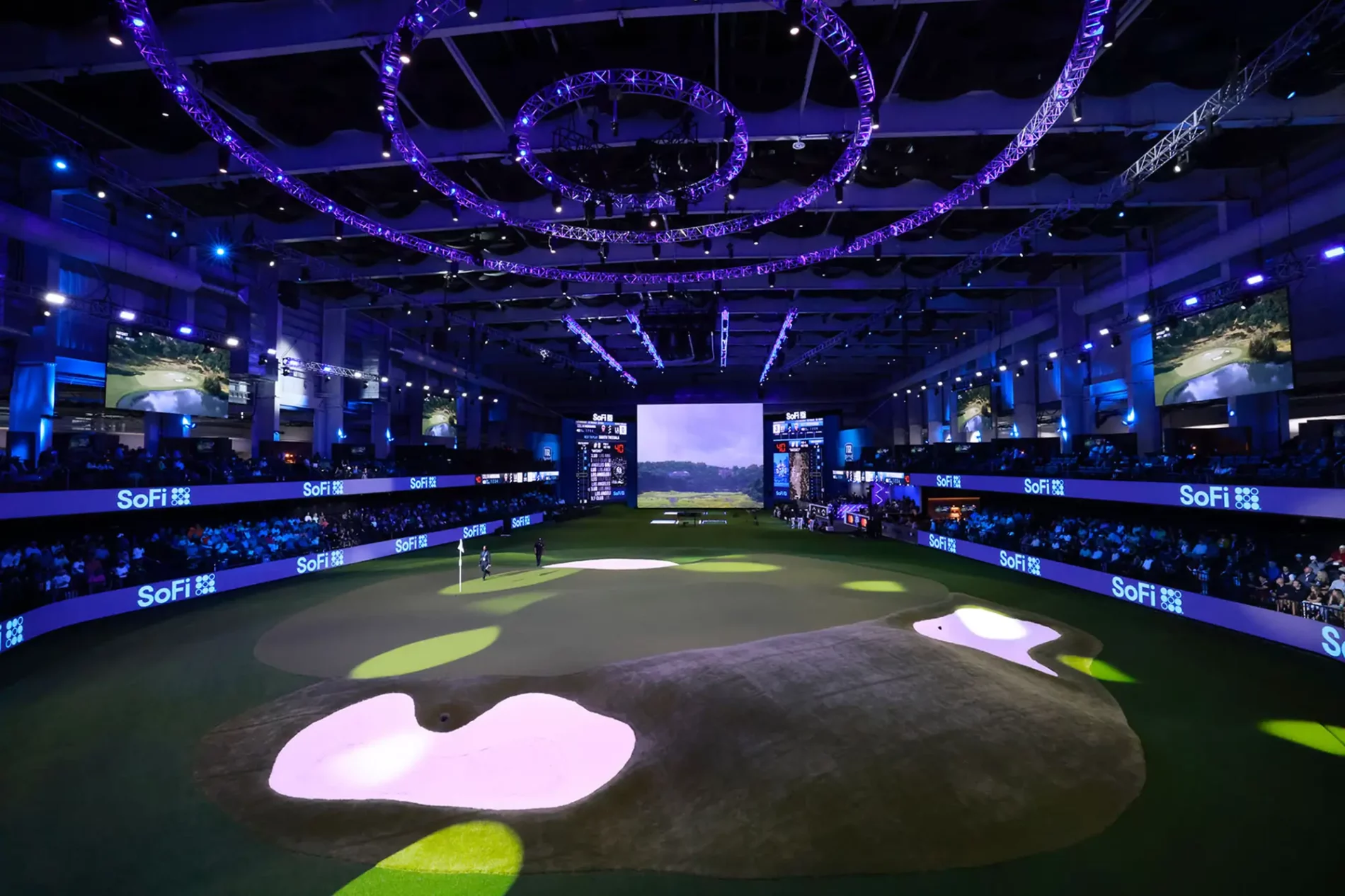
The company’s flexibility is visible in the range and scale of its work. Allied Steel Buildings partnered with TMRW Sports to deliver the 136,000-square-foot SoFi Center in West Palm Beach, Florida, for TGL, the tech-driven indoor golf league developed by Tiger Woods and Rory McIlroy. The project came to Allied after the client needed a new approach following the collapse of its previous air-supported fabric-dome building in 2023.
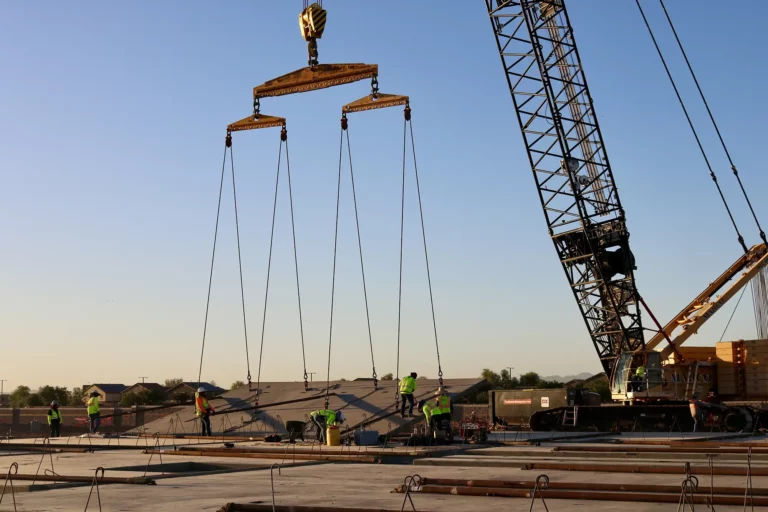
Marines described the TGL Steel Building project as “very interesting,” and the final structure demonstrates why. Allied engineered a permanent steel building weighing 1,386 tons, including 995 tons of built-up and hot-rolled material fabricated in just five weeks. The facility includes four-inch insulated panels, a white finish coat, and an 80-foot-tall, 212-foot clear-span design to support the league’s high-tech playing field. For the company, the project demonstrated its ability to respond quickly to unusual structural and timeline demands while providing a more durable solution for a highly visible venue.
Another defining project came with Navistar’s manufacturing facility in San Antonio, Texas. Allied supplied more than 6,000 tons of structural steel for the 1,000,024-square-foot facility, a state-of-the-art plant designed to produce diesel and electric Class 6-8 trucks. The facility incorporates 36 overhead crane systems, both longitudinal and transverse, to support advanced assembly operations. The project also reflects modern industrial design, with Industry 4.0 technologies, sustainable building practices, and lean manufacturing principles built into the facility.
Delivering that project during the Covid-19 pandemic tested the company’s ability to adapt under pressure. With supply chains disrupted and lead times extending dramatically across the industry, Allied Steel Buildings drew on multiple fabrication partners, vendors, systems, and procurement channels to keep the project moving. “This is where we really shine, we can either pull procurement from different vendors, resources, systems or tools to bring a solution together when the rest of the traditional industry says it can’t be done,” Marines said. By splitting the job among several fabrication partners, the company was able to deliver the one-million-square-foot project with less than one week’s delay from the original timeline. “When everyone else’s lead times were months or a year out, we made it happen,” she added.
“This is where we really shine, we can either pull procurement from different vendors, resources, systems or tools to bring a solution together when the rest of the traditional industry says it can’t be done.”
The ability to pivot has been part of Allied Steel Buildings from the beginning. Michael’s leadership style, according to Marines, has always been defined by a willingness to adapt rather than remain fixed in one model. “Michael is an entrepreneur – his approach has always been being ready to pivot. I don’t think there’s ever been two or three years where we’ve done the same thing, he’s always looking for ways to innovate, grow and expand – not just for the sake of expanding, growing or increasing revenue, but how we can do things better and more efficiently.”
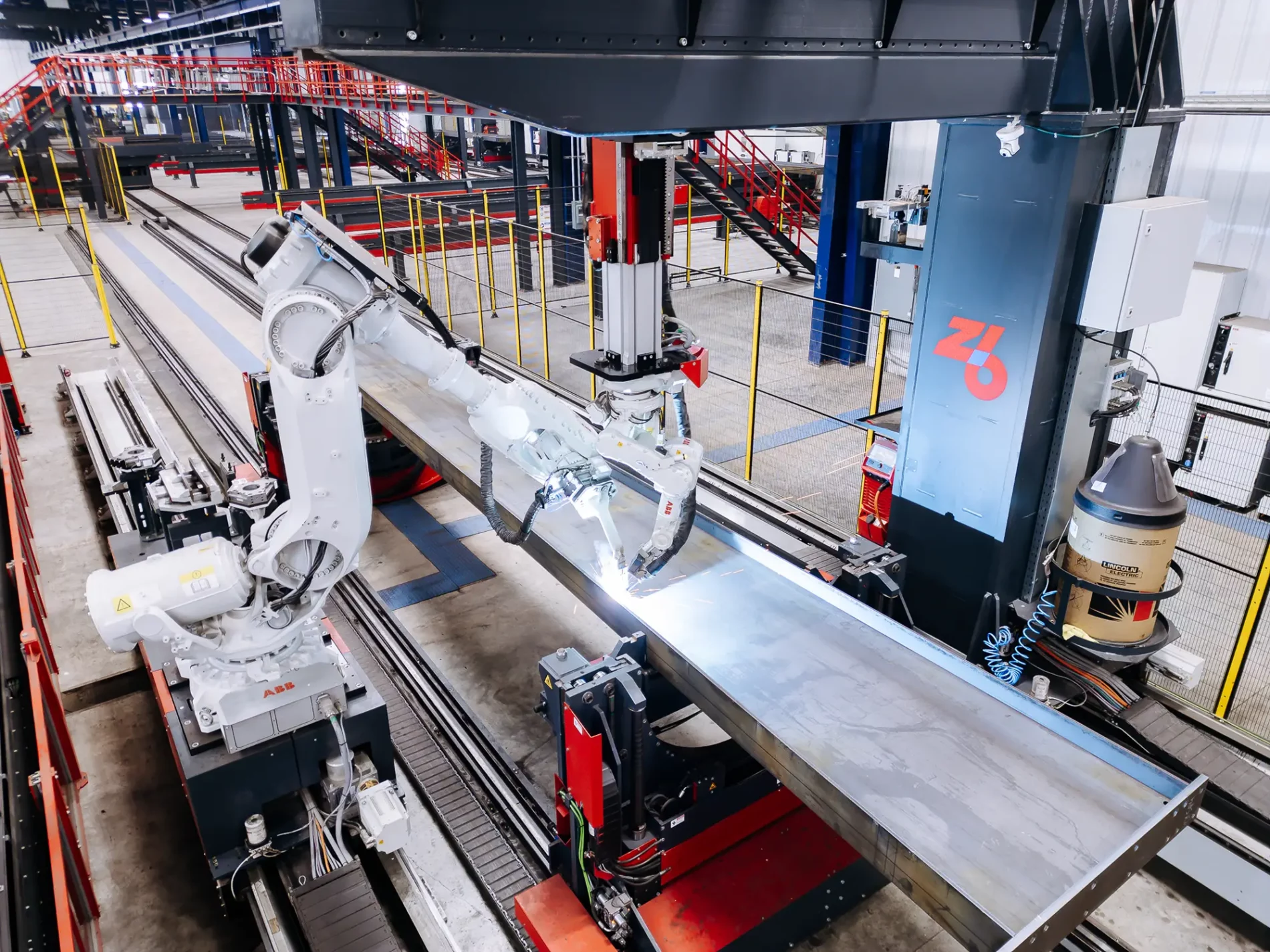
Innovation has taken several forms across the business. At the company’s McGregor facility in Texas, Allied operates a fully automated robotics facility that Marines describes as rare in the industry, with a robotic line that is the first of its kind in the United States. “That’s not to say that other people don’t have parts and pieces of it, but it’s the first of its kind of the assembly in the United States – Michael is always looking for ways we can do this better and deliver a higher quality product and service,” she said. The driving question remains the same: “What does the client need that the industry isn’t doing today?”
As construction markets continue to shift, Allied has used that mindset to position itself in areas of growing demand. With parts of the smaller commercial building market slowing, mission-critical work and data centers have become increasingly active. Allied responded by building a mission-critical group capable of adapting its processes to a sector that often moves faster and less predictably than traditional construction. “They don’t do things how the traditional market does,” Marines said. “They move very quickly and out of order, and they’re continuously adapting because as fast as the technology is evolving, they have to change and adapt – sometimes they even have to modify the buildings on site after it has been installed and erected.” Allied’s mission-critical team is designed to support clients through that volatility, offering a more tailored approach to buildings where speed, flexibility, and coordination are essential.
The company has several data center projects in the pipeline for the second half of 2026, while continuing to serve more traditional industries. Business development is also becoming more relationship-focused as the company grows. Even as technology, automation, and AI change the way construction is designed, fabricated, and delivered, Allied Steel Buildings is placing renewed emphasis on face-to-face relationships with clients. “As business becomes more hands-off and tech is implemented, we want to make sure we’re keeping a very human connection and building relationships with more face-to-face meetings, even in this AI world,” Marines said.
Clients have responded to that approach. Allied’s teams often visit customers directly, learning how they work, what they need, and where existing suppliers may be falling short. “That’s one thing we hear a lot when we visit a new client to get to know them, their project, how they function and how they do business. They often say, ‘Our current manufacturer hasn’t visited us, even after a decade of business.’ Little things that don’t seem like a lot, but they build a connection.” Those relationships also feed directly into product development. When Allied’s sales team began hearing that clients were struggling with painting buildings on site after delivery and erection, the company looked for a way to remove that burden. “The salesmen come back with a lot of requests from the field – [for example] we saw that clients were struggling painting the buildings on site – we deliver the steel, they erect it, and then they have to paint it,” Marines said. In response, Allied added fully painted, finished steel to its line, giving clients the option of receiving either unpainted steel or finished, painted parts. “We added it to our line, and now we can deliver a finished painted building. That is something that I don’t think anybody else does in our industry.”
Much of Allied’s value lies in its ability to work across systems rather than rely on one type of fabrication. By fabricating multiple systems, the company can combine pre-engineered steel, lighter systems, and conventional steel where appropriate, creating what it describes as hybrid systems. “That’s what we call our hybrid systems – there’s an advantage to being flexible,” Marines said. This can make a significant difference to cost, weight, and foundation requirements. Some manufacturers focus only on pre-engineered buildings, while others fabricate only conventional steel. Allied’s ability to work between those categories allows it to adjust the structural approach to the project. “Sometimes when the pre-eng building isn’t best suited for that type of project, other manufacturers who only fabricate conventional steel will do the whole thing in conventional steel,” Marines explained. “That can be really heavy and more expensive than it needs to be because it’s not just the building; you’re paying more for the steel, and it also affects the foundations because they have to be stronger to support the weight of the building.”
The same flexibility applies to software, design tools, and project execution. Allied regularly works across different platforms to achieve results that clients may previously have been told were not possible. “We’ve had clients come to us from other large manufacturers. When they work with us they’ve said, ‘Oh, wow, I didn’t know we could do that. I was told it wasn’t possible,’” Marines said. “Sometimes things aren’t possible because they may not have the right software, or it doesn’t fit within the software that they use and they can’t do it, or maybe they don’t fabricate that material. We work across different software, so if one can’t do it, we use the next.”
This willingness to find another route has become the company’s defining trait. Allied Steel Buildings is not built around a single product, process, or market segment. Its growth has come from listening to clients, adapting to changing conditions, and building the internal capacity to provide solutions when conventional approaches fall short.
For Marines, that is not simply a strategy. It is the culture Allied was founded to create. “That is our culture, we were founded to put the client first. Our mission is to continuously set the bar high, and we’re always looking for better ways to do the work and deliver value to our clients.”