






Associations

city ahead on a road at night

Civil Engineering & Infrastructure

modern concrete structure

Concrete

design build drawing with construction tools

Design Build | CM | GC

multiple excavators parked in a row

Equipment

green tree outside office building

Green Building

thumbs up

Positive News

toolbelt construction tools

Specialty Contracting

Steel

Reimagining the World of Construction

View in E-mag
View Brochure

On February 18th, after almost seven months in space, the NASA Perseverance Rover landed safely on Mars. Video and audio of the landing was made public which only served to emphasize the level of drama and precision involved in the project. Amazingly, at all stages of the journey, the rover was remotely guided, every movement planned and executed by a human. This success was the culmination of many years work, combining technological innovation, mathematics and science to investigate the surface of another planet. While it may seem as though this is some sort of outlier in terms of what is possible in modern engineering, the technology behind this incredible feat is not necessarily out of reach here on earth. In fact, automated robots have the capability to assist and benefit the construction industry at all stages of a project. Furthermore, instead of being a threat to the jobs and roles that industry workers perform on a daily basis, robotics has the potential to assist and support construction projects at every stage.

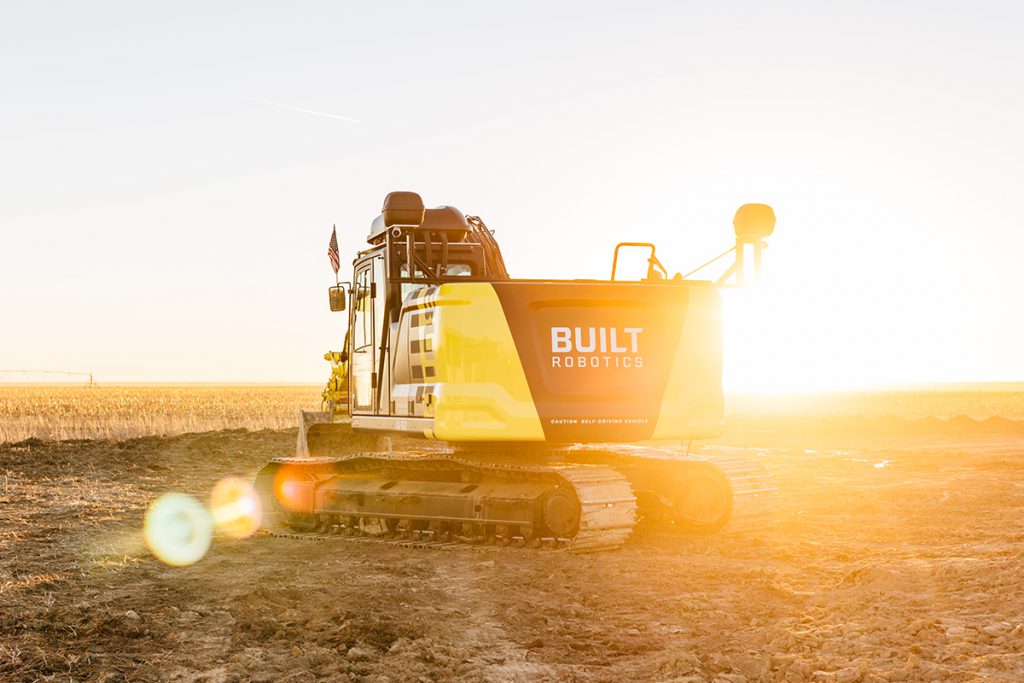
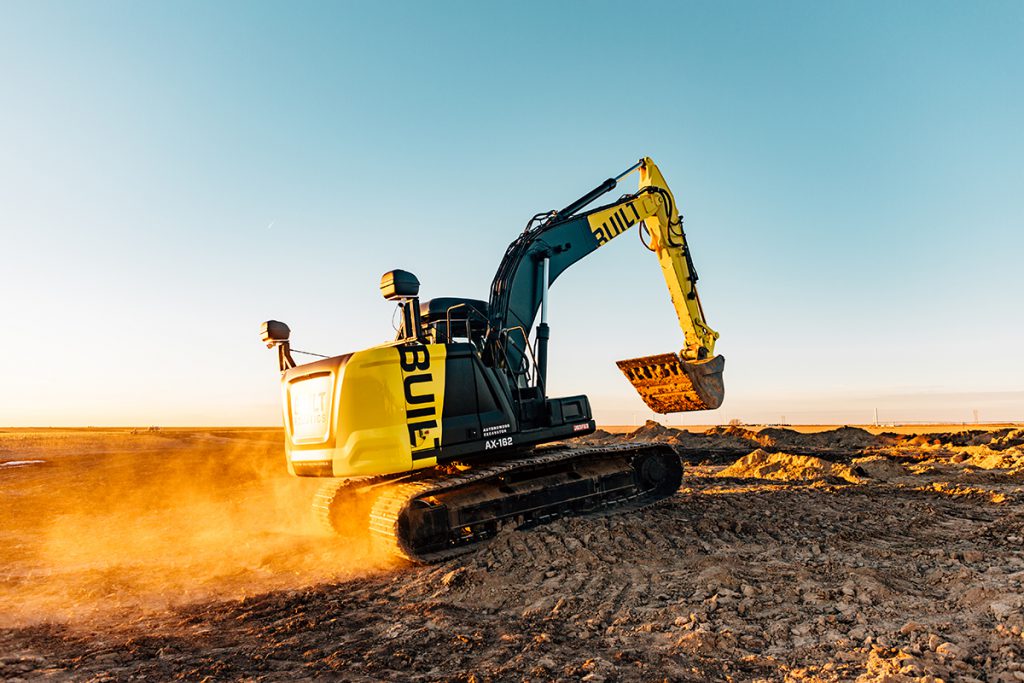
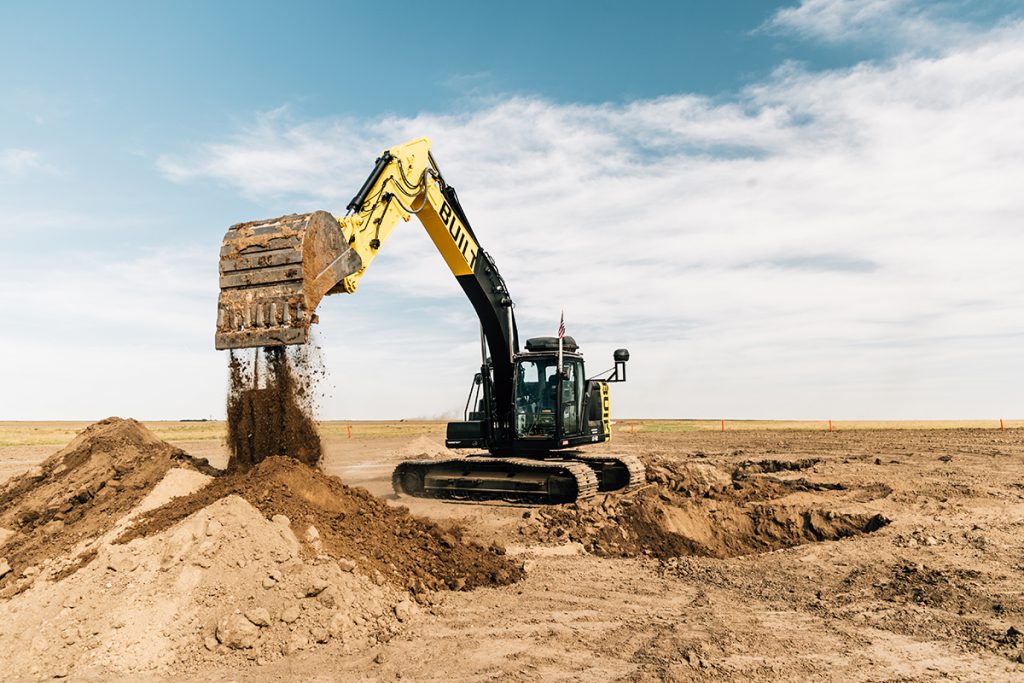
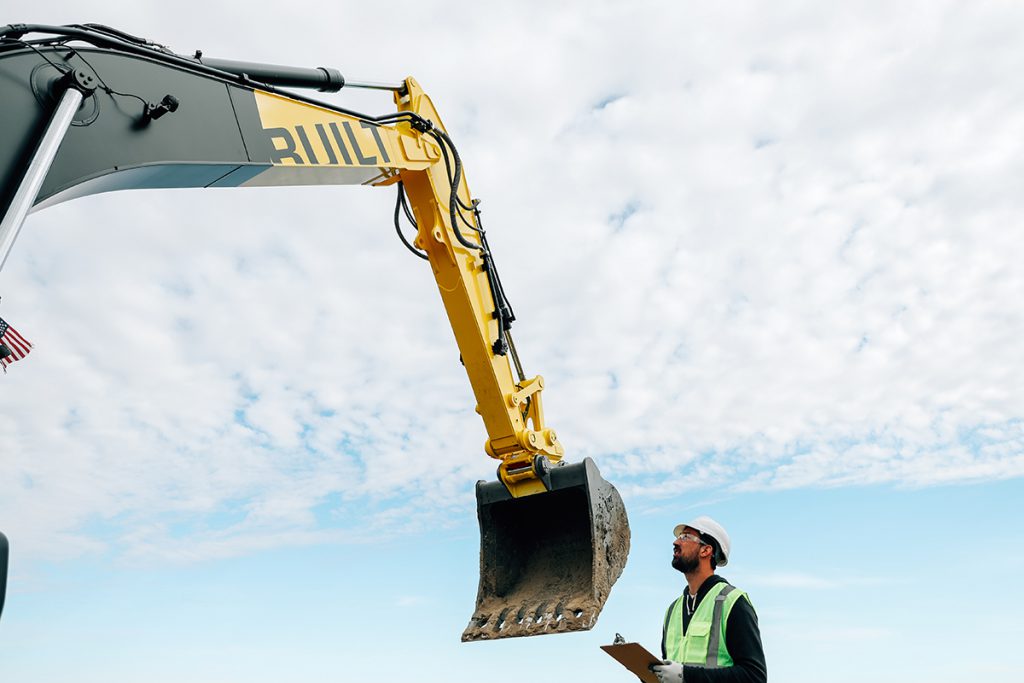
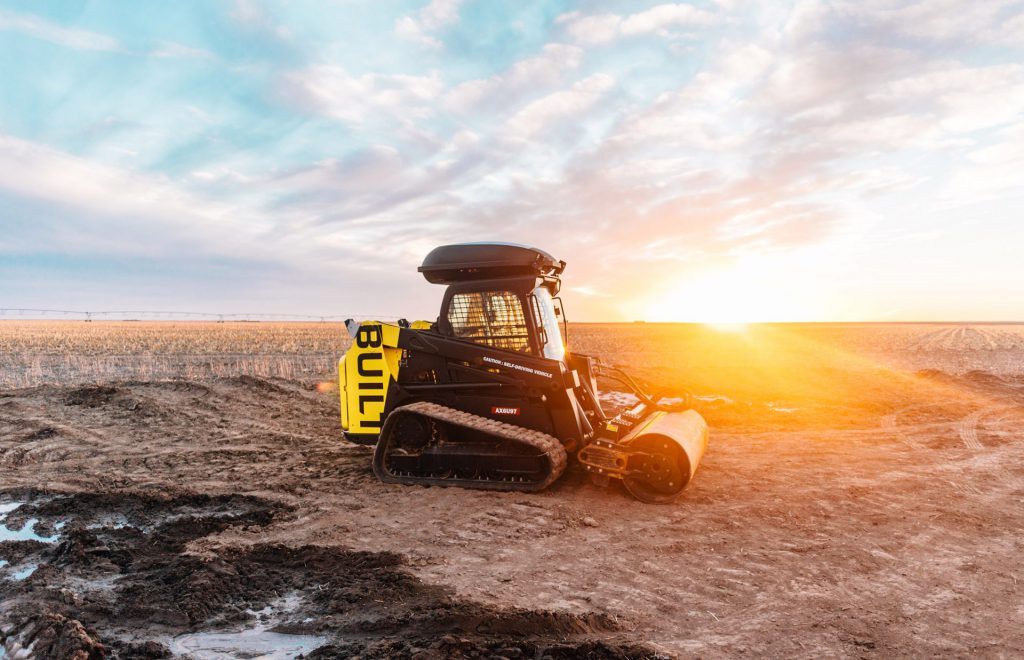
The idea of automated robots within the construction industry is one that may leave people feeling uneasy. The thought of remotely controlled machines that can work longer and more efficiently than humans might bring concern for the future employment options of those within the industry. However, these fears are unfounded and, according to a number of companies that have developed and utilize these ground-breaking tools, the complete opposite is actually true. One company that is a leading member in the drive to make automated robotics a fundamental part of construction is Built Robotics. The company was set up by CEO Noah Ready-Campbell and co-founder Andrew Liang. Ready-Campbell used his experience of growing up in the industry –his father was a carpenter and contractor—and coupled this with skills gained while working at Google. Upon meeting the company co-founder Liang, Built Robotics had a prototype designed and running within six months. According to the company itself, Built Robotics’ mission is ‘’to build the robots that build the world. By upgrading off-the-shelf heavy equipment with AI guidance systems, Built’s technology enables machines to operate fully autonomously.’’

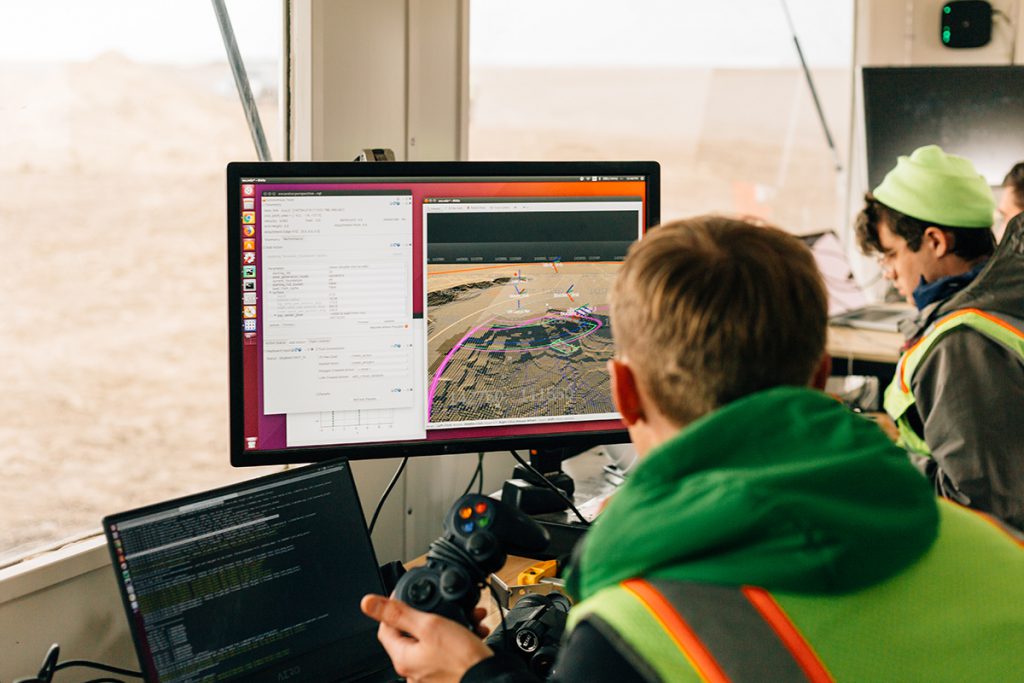
“Built’s machinery allows project managers and site workers to control these heavy tools from a remote distance or set them to work completely autonomously.”

According to Noah, the company is already proving its worth across many facets of the construction world. ‘’Built’s robots are deployed today across the $1 trillion earthmoving industry, and they’re being used to build critical infrastructure such as wind farms, gas pipelines, and new housing developments.’’ The logic behind this target is relatively simple. The construction industry has been, according to Noah, relatively untouched by the digital age. This is compounded by the fact that there are many issues facing construction such as ‘’a chronic labor shortage, productivity that has fallen by half since the 1960s, and an industry that, despite significant improvements, remains the most dangerous in America.’’

So how could Built Robotics assist in addressing these key issues in the industry? In addition to designing a fleet of automated robotic heavy construction equipment, the company has designed technology that can transform existing equipment –including excavators, bulldozers and skid steers—into fully autonomous robots. The AI systems can be installed on machinery built by any manufacturer and has the added bonus of retaining complete manual capabilities. This full level of automation was brought to the market last year, catapulting Built to the front of the pack in construction robotics. Built’s machinery allows project managers and site workers to control these heavy tools from a remote distance or set them to work completely autonomously. Using an onboard computer and cameras similar to those present in self-driving cars, the machinery can dig trenches or complete other large scale operations using GPS. In an incredible feat of innovation and technology, the vehicle can drive itself to the required location and dig vast quantities of earth once the coordinates have been set. ‘’After talking to dozens of contractors, developers, operators and engineers, I came up with an idea. We could take the latest sensors from self-driving cars, retrofit them into off-the-shelf, time-tested equipment, and develop autonomous software designed specifically for the requirements of construction. And because heavy equipment moves slowly and construction projects are already controlled-access sites, we could safely deploy the technology years before self-driving cars hit the road.’’

This is not to say that automated machinery is being welcomed with open arms by the industry. There are many that are fearful of robotics and the effect it may have. In 2017, the senate was lobbied to omit autonomous trucks from a piece of important legislation on self-driving vehicles. This, had the legislation gone through, would have left companies working within the robotics industry in an undoubtedly precarious position. The legislation did not progress however, and a new draft is set to include these heavy vehicles. For Built Robotics, this is a moot point. If they are working on private land, the vehicle does not require this approval and as such, the company is already providing support to many facets of the construction world, mainly in the energy sectors such as wind, gas and oil. The reason for this strong lobbying and apprehension is unclear. It seems that there may be a misconception that robotics are a step closer to removing the need for humans in construction. This, according to Noah, is certainly not the case. ‘’The shortage of qualified labor is an industry-wide challenge right now and finding the skilled workers that large infrastructure projects demand can be even more difficult in locations like these. Our robotic equipment is able to shoulder some of the load by assisting with basic, repetitive tasks, freeing up human operators to focus on the more specific, complex and critical activities.’’

One genuine area of concern is safety. The construction industry is still, according to the U.S. Bureau of Labor Statistics, one of the most dangerous in the country. Workplace deaths and accidents are still far too high for any modern industry and the construction world is in need of some mechanism or support to arrest this issue. Built Robotics claim to have performed over 10,000 hours of autonomous operations without a safety incident. Erol Ahmed, Built Director of Communications explained the technology behind the vehicle’s safety controls. ‘’Onboard cameras and the LIDAR systems will notify the autonomous machinery of nearby workers or other vehicles.’’ In addition to this, machine operators will be able to establish a ‘’geo-fence’’ that the robot is unable to operate outside of. Recently, the company has established a partnership with Mortenson, one of the most forward-thinking construction firms in the country. The partnership is focusing on renewables projects such as wind and solar farms. According to Molly Morgan, an equipment operator at Mortenson, safety is key to the ongoing success of these tools. ‘’I’m excited about the potential for Built’s technology. Our top priority is safety — if the robot can work on steep slopes, or near unstable ground, or in challenging or risky situations, then we one-hundred percent should use it.’’

While the future of autonomous robotics remains unclear and the technology is admittedly still in its infancy, there are encouraging signs that this may be adopted on a wider scale. For Noah Ready-Campbell, the proof of Built’s capabilities and potential across the construction industry is ready and waiting to been seen and tested. He feels that over time, the company will prove itself a worthy addition to any construction project. “We got a lot of questions early on about whether these robots are here to steal jobs. The answer is no. The computers are not smart enough, but they can free up operators to do the more challenging and valuable work. Suspicions typically evaporate fast once workers see how the technology can help make sites more efficient.’’

Future Building, Today

View in E-mag
View Brochure

Events of the past year have shown that as a society, both nationally and globally, we still have much to learn about reacting to, and more importantly overcoming, struggle. The interconnected way that we as people work when faced with difficult situations is found to be lacking in numerous ways. As nations and industries emerge from the seismic challenges of COVID-19, the need for collective partnership is more necessary now than ever before. In addition to the horrendous health and mortality implications that the pandemic has inflicted on the planet, it has shone a light on many other aspects of society which are also in desperate need of support. Access to medicine, education, food, clear and accurate information; these are all areas of the modern world which need to be urgently restructured. The area of homelessness has, however, been a perpetual issue around the world. Unlike some other challenges faced by world leaders, it is not seasonal or cyclical. It is an omnipresent challenge that has been exacerbated enormously by the pandemic. While COVID-19 may not have caused a homelessness crisis, it has multiplied and magnified an existing problem.

While there is no clear cause for homelessness, there are certain demographics and cohorts of the population that are considered to be more at risk. In the U.S. alone, adult males are considerably more likely to fall into homelessness. Within this category, adult males of minority ethnicity make up the majority. When these figures are explored further and incidence per 10,000 people are factored in, men from the Pacific Islands, Native Americans and members of the Black community are the three largest subgroups by a considerable margin. This may well point to a wider systemic issue around education and opportunity, community engagement and mental health; however, the unfortunate truth is that currently the resources that are being allocated to assisting the homeless population are falling far short. Furthermore, the financial resources being put in place do not seem to be reaching those people at most risk of suffering from homelessness. A recent report published by endhomelessness.org acknowledged that ‘’Homeless services systems do not have enough resources to fully meet the needs of everyone experiencing homelessness.  Thus, it is helpful to examine the difficult decisions they must make, including how to allot the limited funds available to them.’’

“Simply put, there are not enough houses being built which, while also putting huge pressure on the housing market, is only making a homeless crisis even worse.”

This examination identified permanent support housing (PSH), emergency shelter beds and rapid rehousing as the three main support mechanisms, with PSH being the leading one. All three mechanisms have seen an increase in funding since 2007. This seems to be a sensible direction to move in, by any rationale. The issue that remains however is that despite almost 400,000 beds being made available for individuals in 2019 in the United States alone, there was still a shortfall of almost half that figure again. Despite policy moving in the right direction, problems remain. Simply put, there are not enough houses being built which, while also putting huge pressure on the housing market, is only making a homeless crisis even worse.

ICON is a growing business based in Austin, TX and was set up in order to meet the needs of an ever-deteriorating housing market. From the outset, the company identified three critical problems within the home construction industry: affordability, sustainability and availability. By acknowledging these as challenges that the company needs to overcome, the company is fast gaining a reputation as being one of the most innovative members of the home construction world. “Surely there is a better way to build homes that is more affordable, less wasteful, and more energy efficient than conventional building methods.” This was the question that one of ICON’s co-founders, Jason Ballard asked himself, having worked on thousands of homes in his previous role of CEO of an eco-friendly home upgrade company that aimed to normalize sustainable and healthy approaches to home improvement.

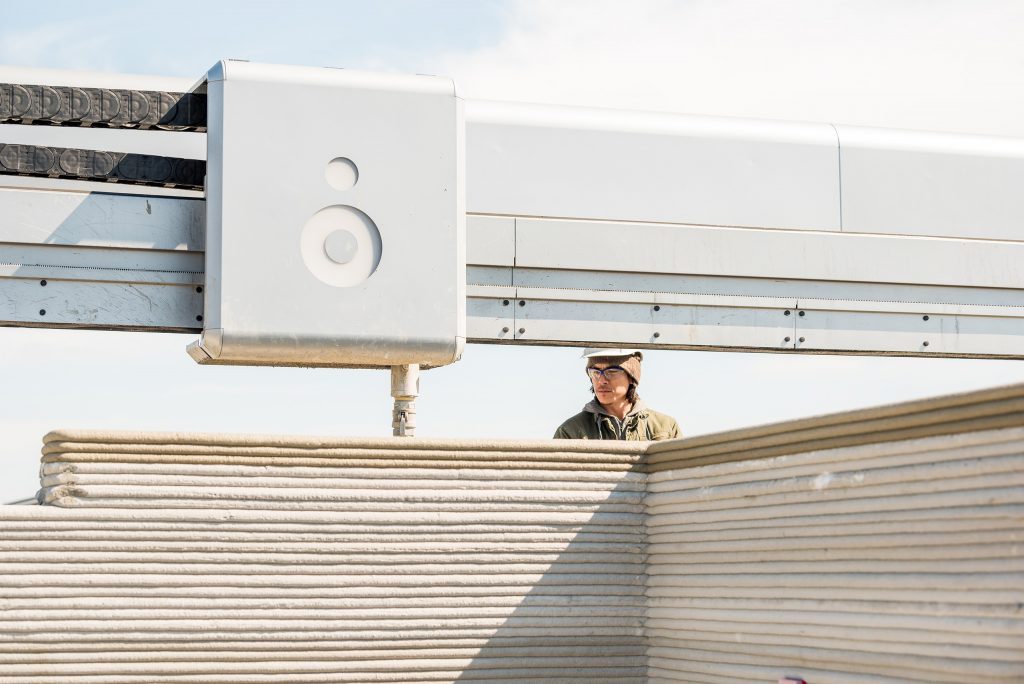
Between 2017 and 2018, Ballard worked with one of ICON’s two other co-founders, Evan Loomis to study and research ways to figure out what this ‘’better way’’ looked like. Around this time the pair also came into contact with Alex Le Roux, an engineer who was working in similar fields. The three men set up ICON and set about devising the technology required to work in a sustainable and affordable way, possibly changing the way homes are constructed forever. Their idea was to utilize 3D printing technology to build livable and affordable homes in a fraction of the time that it takes to construct a home using current methods. This resulted in the development of their Vulcan 3D printer, a cutting-edge printer that can build a home in under 24 hours.

In collaboration with non-profit organization, New Story, ICON worked with a cross section of engineers, environmentalists, designers and entrepreneurs to unveil the world’s first permitted 3D-Printed home created specifically for the developing world. The building was an example of one of the most forward-thinking construction projects ever imagined; homes between 600 and 800 square feet which could be printed in 24 hours to serve the needs of underserved communities. At the launch of the project, Jason Ballard discussed the innovative and sustainable aspects of using 3D printing. “With 3D printing, you not only have a continuous thermal envelope, high thermal mass, and near zero-waste, but you also have speed, a much broader design palette, next-level resiliency, and the possibility of a quantum leap in affordability. This isn’t 10% better, it’s 10 times better.”

This home, the culmination of dedication, ingenuity and next level innovation, was a game changer. The hope for all involved was that this project would be the catalyst for the development and reimagining of home production in areas most at risk of poor housing conditions and homelessness. The question for the ICON team now was where to take this technology next.

The partnership with New Story would develop further over the next year with the announcement in May 2019 of a project that would see a whole community of 3D printed houses built for low-income families in Tabasco, Mexico. The project would see fifty homes delivered ‘’to local families currently living in extreme poverty and makeshift, unsafe shelter.’’ Families were involved in the planning process and the houses are being built around green spaces and other necessary amenities with a community focus behind every decision. This announcement and the ongoing work with the project is evidence that collective thinking, community engagement and innovative technologies could be combined to address real world homelessness crises.

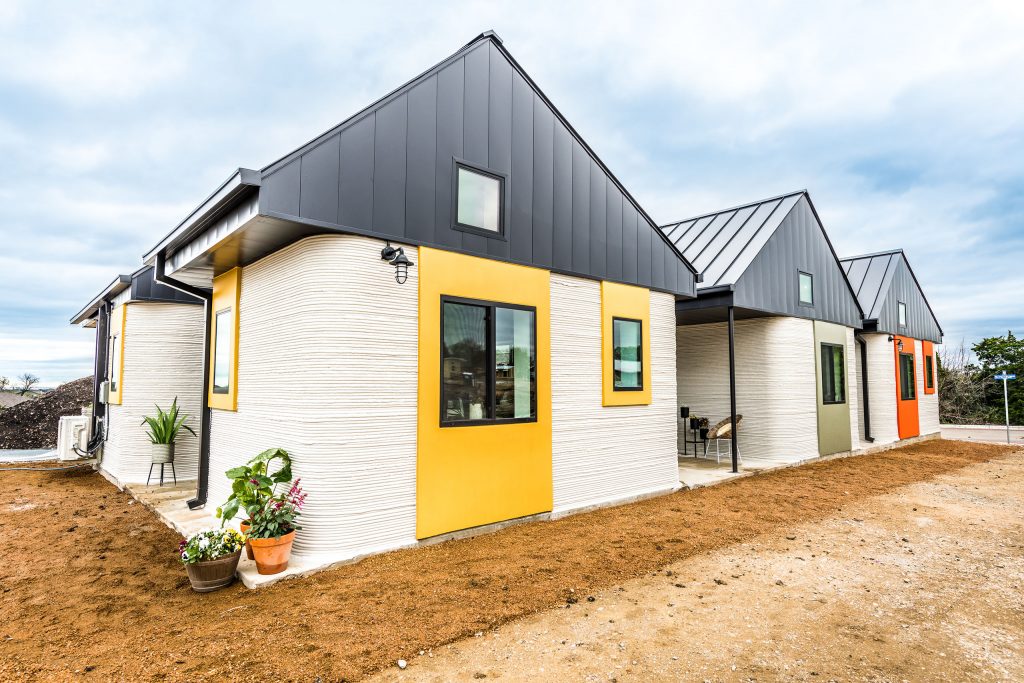
The technology designed and built by ICON also has the potential to be a contributory resource in tackling homelessness closer to home. In addition to the Tabasco project, ICON have partnered with the Austin non-profit Mobile Loaves & Fishes (MLF), an organization which is widely known for its working in supporting the local homeless and the Community First! Village, their fifty-one-acre master planned community that ‘’provides affordable, permanent housing and a supportive community for men and women coming out of chronic homelessness.’’ This ongoing partnership has now resulted in the delivery of a series of 3D printed homes to the village. The 400 square foot homes are part of Phase 2 of the village which, when completed and at full capacity, will have around 480 people living there. This will represent about forty percent of Austin’s chronically homeless population. Jason sees this project as a necessary part of what ICON represents. ‘’We’re going to have to take some risks if we want a better world for ourselves, and the team at Mobile Loaves & Fishes shares a similar vision in their efforts to empower the community around them into a lifestyle of service with the homeless. We need a radical rethinking in the way that we approach solving vexing issues in our society like homelessness. At the end of the day, this is all about people and the dignity of human beings.”

“With 3D printing, you not only have a continuous thermal envelope, high thermal mass, and near zero-waste, but you also have speed, a much broader design palette, next-level resiliency, and the possibility of a quantum leap in affordability.”

Back in 2017, ICON identified key challenges to housing supply issues and have set about dismantling these challenges piece by piece. They have built ongoing communal relationships, using sustainable and affordable technology, to provide enduring and life changing support to some of Tabasco and Austin’s most needy people. The residual effect of the company’s actions will be far reaching. That is certain. What is uncertain is the ability for city planners and governments to access this technology and use it in its attempts to tackle homelessness and housing problems in general. With this in mind, it is encouraging to hear that, in partnership with Moderne Ventures, ICON raised $35 million in a recent series A round of funding with a view to moving the Vulcan printer from the research and development stage and into a larger scale production model. Jason stated that this is the first step towards a growing movement of 3D printed homes.  “In early 2018, there were no 3D-printed homes in North America and today, there are almost twenty and we’re gearing up for hundreds more.”

While challenges remain, successes have been minimal in comparison to the whole picture. There may be hope that, with strategic and carefully planned projects, homelessness can be an issue that we, collectively, tackle head on. “The present challenges the world is facing due to new coronavirus have only emphasized the tremendous gap between the housing that we have and the housing that we need. We are grateful to those who have believed in our mission from the beginning and are excited to have a larger team of global investors joining us in our belief that the housing of our future must be different than the housing we have known.”

More Stories

Building Big, Bidding Smart

By David O'Neill

Across the North American construction market, scale is no longer the whole story. The industry is still building big, and in some sectors, bigger (…)

Labor 2.0: How Construction Is Rebuilding Its Workfor...

By David O'Neill

In construction, momentum is measured not just in cranes on skylines or backlogs on balance sheets, but in people. Skilled tradespeople, project managers, estimators, (…)

The $68.4 Billion Question: Can the MTA Rebuild New Y...

By David O'Neill

On most weekdays, New Yorkers do not think about capital plans. They think about whether the train shows up, whether the platform feels safe, (…)

Building for Takeoff: Why Airport Construction Is Ent...

By David O'Neill

On a live airfield, construction rarely looks like the glossy rendering. It looks like work lights pooled on concrete, crews moving in narrow windows (…)

Next-Gen Builders: How Labor, Technology, and Materia...

By David O'Neill

The new face of construction is not a single look but a moving target. One week it is a superintendent onboarding apprentices inside a (…)

The Digital Jobsite: How AI and Robotics Are Rewritin...

By David O'Neill

The construction site has always been one of the last frontiers of industrial automation. For decades, the rhythm of work was measured in hammer (…)

Fast-Track Canada: Building a New Era of Nation-Shapi...

By David O'Neill

For decades, Canada’s infrastructure ambitions have often struggled against the weight of bureaucracy, regulatory overlap, and long timelines. Projects deemed vital to the nation’s (…)

Training Our Way Out of the Shortage: How North Ameri...

By David O'Neill

North American construction firms are facing a sustained labor shortage that continues to challenge project delivery schedules and budgets. While the sector has seen (…)

America’s Infrastructure Boom: Roads Are Rising, but ...

By David O'Neill

“With over 60,000 projects funded through our Bipartisan Infrastructure Law, we continue to deliver on the decades-long promise to invest in American infrastructure.” That’s (…)