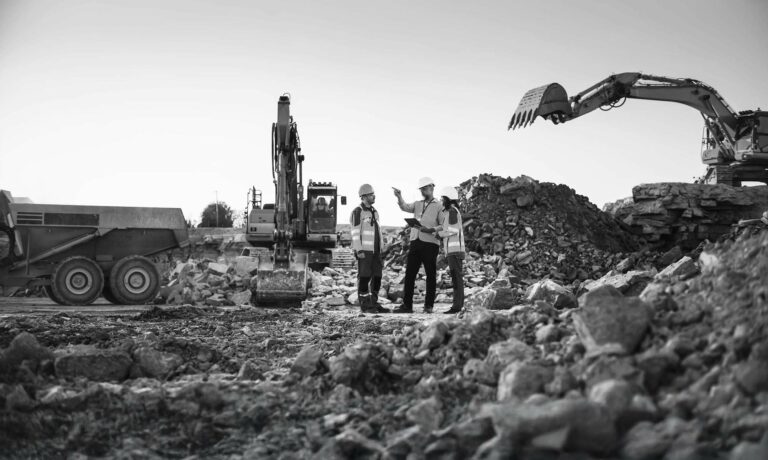







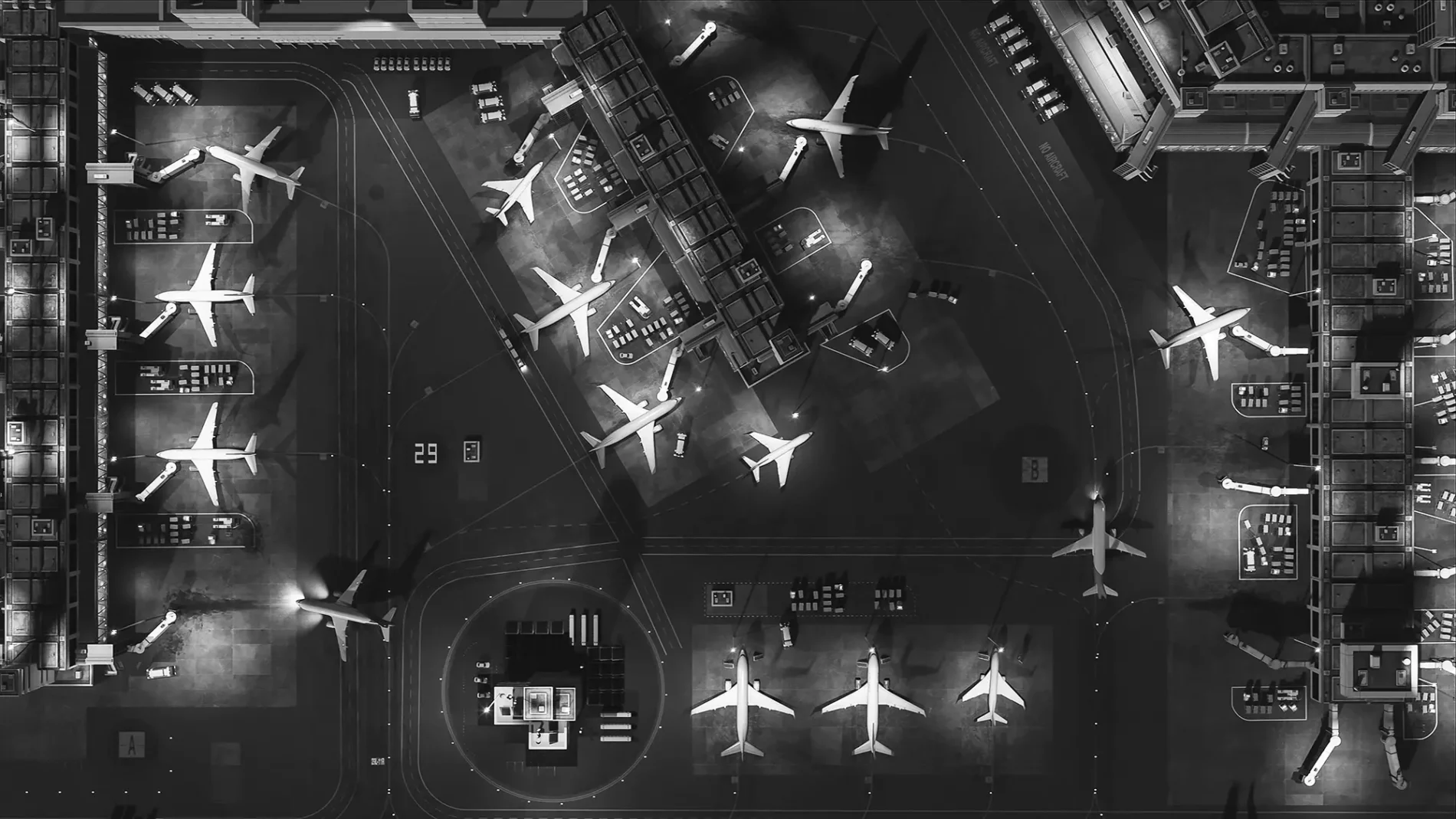
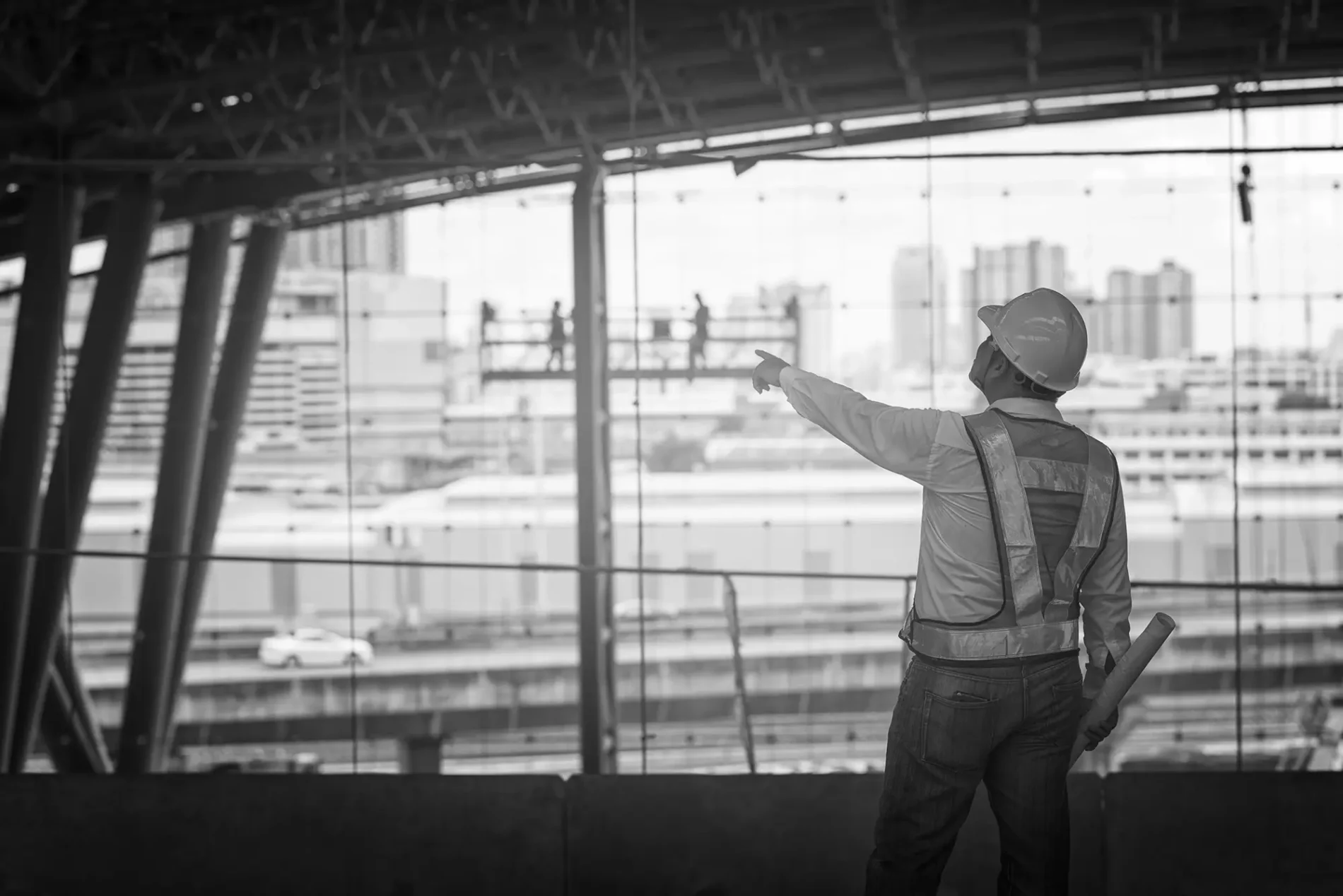
On a live airfield, construction rarely looks like the glossy rendering. It looks like work lights pooled on concrete, crews moving in narrow windows between arrivals, and a choreography of safety escorts, barricades, and radio calls that has to be perfect because the airport does not pause for a pour, a lift, or a lane closure. That is the quiet truth behind the current surge in airport construction: the job is not simply to build bigger terminals or longer runways, but to modernize critical infrastructure while the system stays open, crowded, and increasingly unforgiving of disruption.
A new market report puts a headline number on that momentum, projecting the airport construction market to reach approximately $1.43 trillion and identifying North America as the fastest-growing region. The same report links growth to the drivers now shaping aviation capital programs across the continent: terminal upgrades, airside capacity work, and the accelerating adoption of green and smart airport technologies.
In North America, the reasons are tangible and immediate. Passenger demand has returned, and long-term forecasts continue to point upward. Airports Council International – North America frames the moment as both a scale challenge and an aging-infrastructure problem. In its 2025–2029 infrastructure needs report, the organization estimates that U.S. airports will require $173.9 billion in infrastructure investment over the next five years to keep pace with demand and deliver increasingly complex projects.
That investment is not theoretical. It is translating directly into funded programs, many supported by federal initiatives that are pushing capital into terminals, safety upgrades, and airfield work. As Shannetta R. Griffin, Associate Administrator for Airports at the Federal Aviation Administration, said in a 2024 funding announcement, “We’re supporting safety with lighting and runway signage upgrades and improving the traveler experience with new terminals.” In a single sentence, she captured the dual mandate airport owners now face: airside performance and landside experience must advance together.
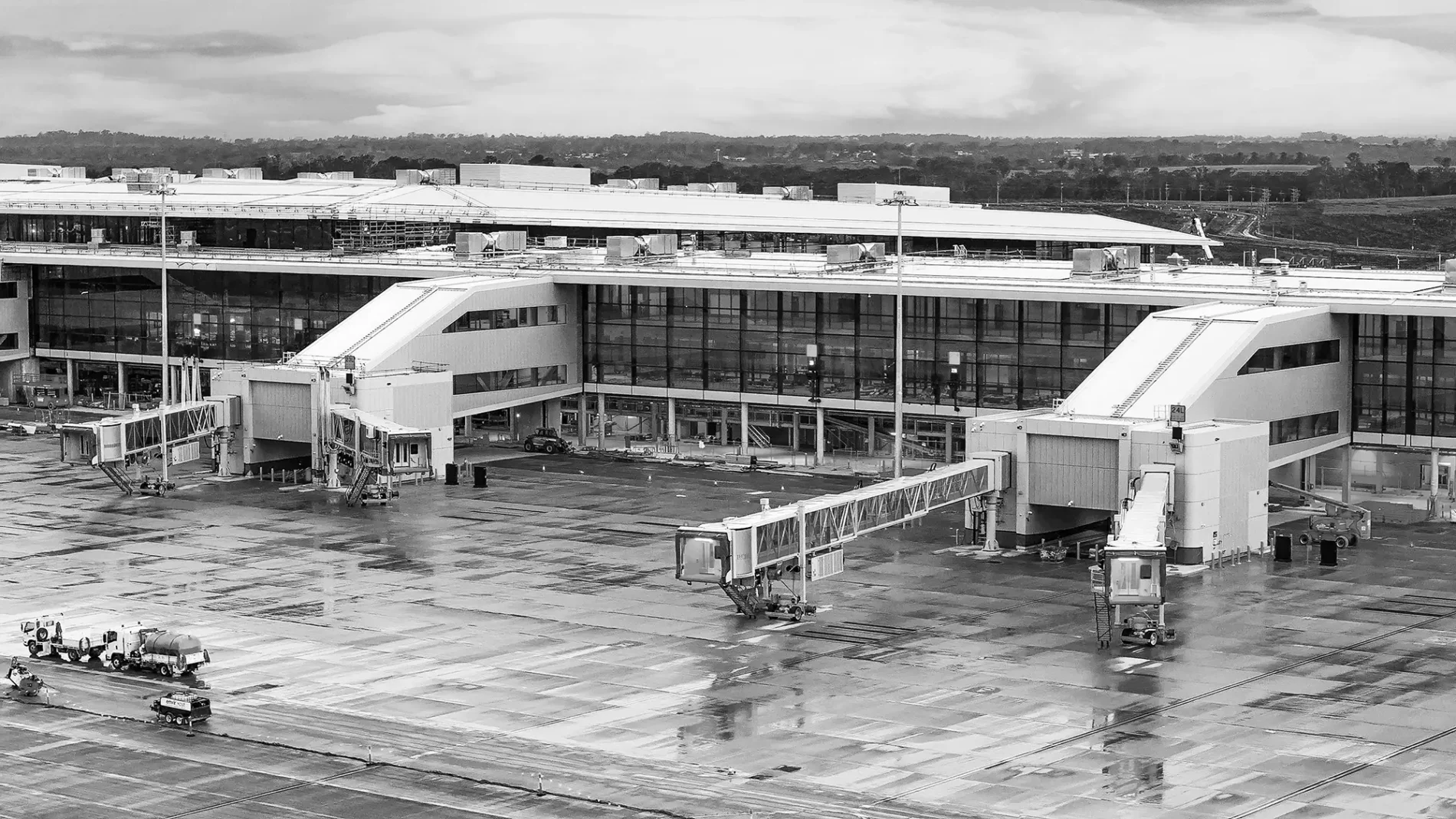
That experience component has taken on new weight. The terminal has become the airport’s most visible expression of resilience, functionality, and ambition. Across the United States and Canada, terminal programs increasingly resemble long-term civic infrastructure projects rather than isolated expansions. Security halls are being redesigned around evolving screening technologies, baggage systems are being rebuilt for reliability and speed, and concessions and circulation are being rethought to accommodate higher volumes without sacrificing comfort. In many cases, these efforts are packaged as multi-year transformations aligned with long-range demand forecasts rather than one-off additions.
Airside work is advancing in parallel, often out of view of the traveling public but just as critical to capacity. Runway and taxiway reconstructions, apron expansions, and gate reconfigurations deliver the incremental gains that reduce delays and stabilize schedules. Airports Council International – North America has noted that the FAA has identified airports already constrained, or at risk of becoming constrained, by runway capacity, and that even airports not yet facing those limits must invest heavily to replace aging airfield assets before they become liabilities.
If the current wave of airport construction were only about concrete, steel, and glass, it would be substantial enough. What makes it transformative is the second layer now being embedded into these projects: digital and intelligent systems that change how airports operate. The concept of the “smart airport” is no longer aspirational. It is becoming part of baseline scope. Technology platforms are being integrated to manage passenger flows, improve wayfinding, support security and border processing, and deliver real-time operational data to airport operators.
That shift has implications for how projects are designed and delivered. In discussing technology’s role in a major new airport development, Sumesh Patel, Asia Pacific President of SITA, observed, “Southeast Asia’s aviation market is growing at record pace, but that growth brings complexity,” adding, “Techo International Airport shows how technology can turn that challenge into opportunity.” While his remarks were made in a different regional context, the underlying pressure is familiar to North American airports grappling with growth inside constrained footprints.
Smart airport infrastructure is not limited to passenger-facing systems. It increasingly encompasses asset management, communications, and data platforms that allow operators to extract more capacity from existing facilities. In practical terms, this means that electrical, mechanical, and systems integration scopes are growing in importance alongside traditional structural work. Construction teams are being asked to deliver facilities that function as interconnected platforms rather than static buildings.
Sustainability is also reshaping airport construction from the ground up. Large land holdings and unique zoning constraints have positioned many airports as candidates for renewable energy projects and electrification strategies. At Ottawa International Airport, CEO Mark Laroche highlighted this potential when discussing the airport’s long-term plans. “Our property has over 500 acres of high-potential land,” he said, explaining why solar development was under evaluation as part of a broader net-zero strategy. He added, “Solar energy production will help Ontario decarbonize its electricity grid.”
Even where renewable generation is not the centerpiece, electrification and energy resilience are influencing design decisions. Airports Council International – North America identifies utilities and technological platforms as core components of future investment needs. Modern terminals and airfields demand reliable, flexible power and communications systems capable of supporting electric ground equipment, advanced screening technology, and increasingly data-intensive operations. Resilience now extends beyond structural durability to include how airports perform during power disruptions, extreme weather events, and system failures.
The global nature of the airport construction boom reinforces these trends. Reporting on planned upgrades at Heathrow Airport, Reuters quoted CEO Thomas Woldbye saying, “Today’s announcement confirms that we will continue to invest more than 1 billion pounds of private sector cash each year into the airport to deliver facilities our airlines and passengers want.” While Heathrow sits outside North America, the statement reflects a global reality: airports everywhere are racing to build infrastructure that meets future expectations rather than past norms.
“Today’s announcement confirms that we will continue to invest more than 1 billion pounds of private sector cash each year into the airport to deliver facilities our airlines and passengers want.”
For contractors, designers, and construction managers, the implications are clear. Airport projects reward firms that can operate in live environments, manage phased construction under intense scrutiny, and integrate complex systems without disrupting daily operations. These projects demand a level of coordination and sequencing that goes beyond conventional commercial work. Security protocols, access controls, and limited work windows magnify the importance of planning and experienced field leadership.
Labor considerations add another layer of complexity. The same workforce pressures affecting the broader construction industry are present on airport projects, but compounded by credentialing requirements such as background checks, security badging, and specialized safety training. The work can be prestigious and technically rewarding, but it requires crews and supervisors who are comfortable operating under constraints that leave little room for error.
Stepping back, the current boom in airport construction is not simply about expansion. It reflects a deeper redefinition of what airports are expected to be. They are transportation hubs, civic gateways, energy consumers and producers, and data-driven operational systems all at once. The market projection of a $1.43 trillion global sector, with North America leading growth, underscores the scale of this transformation, but the character of the work may be even more significant than the dollar figure.
Airport owners are no longer investing only to add gates or extend runways. They are investing to build infrastructure platforms capable of adapting to changing demand, evolving technology, and heightened expectations around sustainability and resilience. For the construction industry, that means a sustained pipeline of complex, high-stakes work where fundamentals, planning discipline, and technical integration will determine who succeeds.