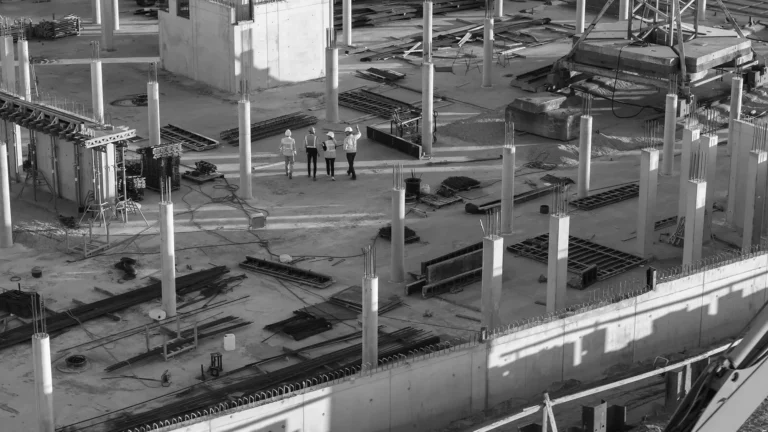

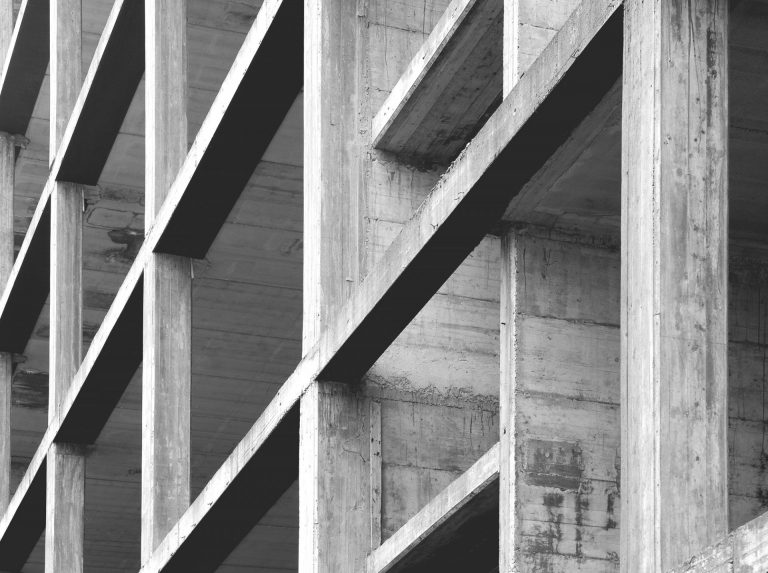
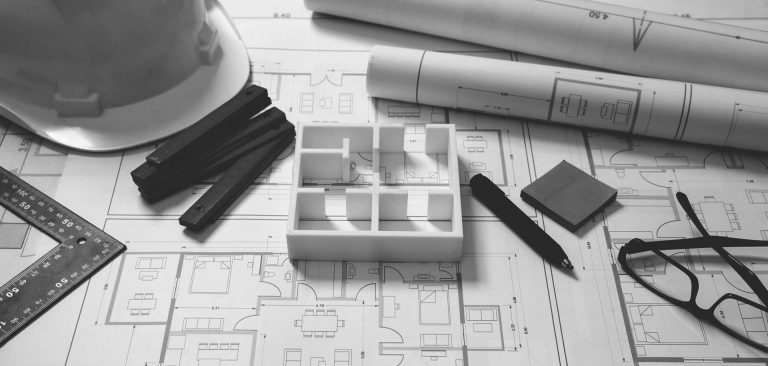

For decades, the construction industry largely operated on a straightforward formula: demolish, clear, and rebuild. New structures represented progress, while aging buildings were often viewed as limitations standing in the way of growth. Today, however, that equation is beginning to shift. Across North America and Europe, contractors, developers, architects, and infrastructure specialists are increasingly turning their attention toward existing structures rather than empty sites. Adaptive reuse, retrofit work, facade modernization, waterproofing rehabilitation, and infrastructure renewal are no longer niche segments of the market. They are becoming central to how cities grow, how developers manage costs, and how the industry responds to mounting environmental pressure.
The reasons are both economic and practical. Material prices remain volatile, permitting timelines continue to lengthen, and many urban centers are running out of easily developable land. At the same time, sustainability targets are forcing owners and contractors to confront a difficult reality: demolishing functioning buildings and replacing them with new construction carries an enormous carbon cost.
According to Reuters, buildings account for 37 percent of global emissions, while four-fifths of the buildings expected to exist in 2050 have already been built. “When we talk about the decarbonization agenda, we can’t get away from a real emphasis on retrofit,” said Paul Stepan, Head of Sustainability Consulting at JLL. That shift is reshaping the priorities of the construction industry itself.
“When we talk about the decarbonization agenda, we can’t get away from a real emphasis on retrofit.”
Rather than focusing exclusively on ground-up development, contractors are increasingly being asked to modernize, strengthen, repurpose, and extend the life of existing assets. In major urban markets, adaptive reuse projects are transforming office towers into residential developments, industrial buildings into mixed-use spaces, and aging infrastructure into modernized facilities capable of supporting new technologies and occupancies.
For many contractors, this work requires an entirely different skill set than traditional new construction. Existing buildings come with unknown conditions, aging systems, hidden structural challenges, and operational constraints that demand flexibility and coordination. Unlike greenfield construction, retrofit work rarely unfolds in predictable stages. “Historically, it has been easier to knock down and rebuild,” said Luke Graham, Head of Research at Pi Labs. “It’s quicker, generally cheaper, and less restrictive.”
That mindset, however, is becoming harder to sustain.
Embodied carbon has emerged as one of the most significant issues facing the built environment. While operational emissions from buildings have received attention for years, the carbon embedded in steel, concrete, aluminum, and other materials used during construction is now under far greater scrutiny. Demolition followed by new construction effectively resets that carbon cycle, requiring enormous amounts of additional material production.
Adaptive reuse offers an alternative. By preserving structural systems, facades, foundations, and portions of existing buildings, developers can dramatically reduce material consumption and construction waste while shortening project timelines in dense urban environments. “Prioritizing reuse and retrofit over demolition is one of the most powerful ways to cut embodied carbon,” according to Built by Nature. The concept is influencing projects across multiple sectors of the industry. Restoration contractors are seeing increased demand for structural rehabilitation and envelope repair. Waterproofing specialists are becoming critical partners in extending the lifespan of below-grade infrastructure and parking structures. Facade contractors are modernizing aging building envelopes to meet current performance standards without requiring full replacement.
At the same time, owners are beginning to view existing buildings differently. Structures once considered obsolete are increasingly being repositioned as assets capable of supporting new uses through strategic redevelopment. “Adaptive reuse allows buildings to evolve rather than be replaced,” according to Irish architecture practice MDO.
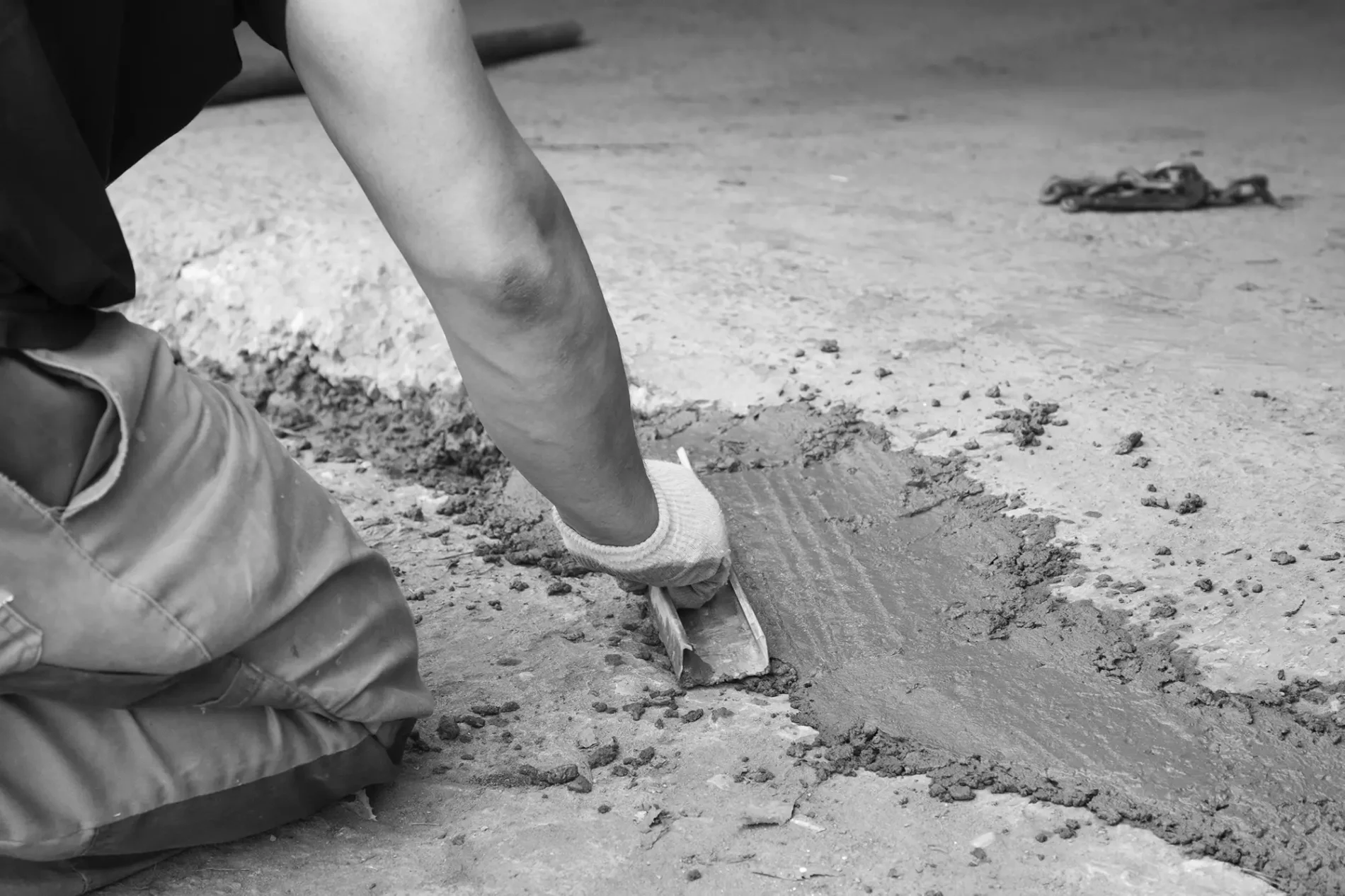
This approach is especially visible in major urban centers where office vacancy rates remain elevated. Across cities such as New York, Chicago, Toronto, and Boston, developers are exploring conversions of underperforming office buildings into residential, hospitality, laboratory, and mixed-use developments. While not every building is suitable for conversion, the broader trend reflects a growing emphasis on extracting value from what already exists rather than starting from scratch.
For contractors, that shift is creating opportunities across multiple specialties. Structural reinforcement, carbon fiber strengthening, waterproofing, facade rehabilitation, and selective demolition have all become increasingly important scopes of work within larger redevelopment projects.
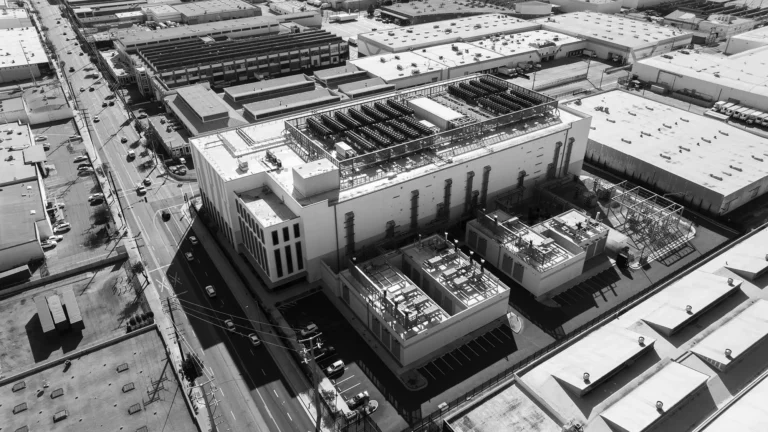
The growth of AI infrastructure and data centers is also contributing to the retrofit economy. As demand for power and computing capacity increases, developers are exploring ways to repurpose industrial facilities and existing structures into mission-critical infrastructure. “Adaptive reuse and retrofitting of buildings is increasingly favored over demolition and new construction,” architecture platform Archello reported earlier this year, citing efforts to reduce embodied carbon emissions.
This trend is extending beyond commercial buildings into infrastructure as well. Aging bridges, tunnels, transit facilities, parking garages, and water systems across North America require rehabilitation at a scale that many governments are struggling to address. Rather than complete replacement, phased restoration and modernization projects are increasingly being used to extend operational lifespan while limiting disruption and cost.
That reality is creating sustained demand for specialty contractors capable of operating within technically challenging environments. In many cases, restoration and retrofit work must occur while facilities remain occupied or operational, requiring sequencing and coordination that differs substantially from conventional construction. “Adaptive reuse can be a powerful tool for reactivating a neighborhood,” noted LiteLab in a recent industry analysis.
The economic case is becoming harder to ignore as well. Demolition itself carries significant costs, particularly in dense urban markets where environmental regulations, waste disposal requirements, and site logistics complicate removal operations. By preserving portions of existing structures, owners can often reduce permitting timelines, lower material costs, and accelerate occupancy schedules.
According to Cove.Tool, adaptive reuse projects can “unlock hidden value from underutilized assets” while helping developers reduce demolition expenses and shorten time to market. Technology is also accelerating this transition. Digital scanning, AI-assisted modeling, and advanced structural analysis tools are making it easier to evaluate and redesign existing buildings. New technologies are helping project teams identify viable retrofit pathways earlier in the design process, reducing uncertainty and improving feasibility analysis.
Researchers are now exploring how artificial intelligence can streamline facade renovation and industrial adaptive reuse workflows by bypassing time-intensive as-built modeling processes. Meanwhile, advances in computational design and robotic fabrication are opening new possibilities for reclaimed materials and circular construction methods.
Yet despite the momentum behind retrofit work, significant challenges remain.
Many buildings were not designed to accommodate modern energy systems, accessibility standards, or occupancy requirements. Hidden structural conditions can introduce major cost uncertainty once demolition begins. Financing models also continue to favor new construction in many markets, while permitting and code compliance for adaptive reuse projects can become highly complex.
Labor presents another challenge. Retrofit and restoration work often require highly specialized tradespeople capable of operating within unpredictable conditions. As experienced workers retire, contractors face increasing pressure to recruit and train younger workers in restoration-specific skills.
Even so, industry momentum continues to build. Architect Je Ahn recently described retrofit work as fundamentally cultural rather than simply technical. “Retrofit is really about attitude,” he said. “It’s about using local skills, reducing travel, choosing the right materials for the right places and reusing what you already have on site.” This perspective reflects a broader shift occurring throughout construction. Increasingly, the industry is beginning to treat existing buildings not as obstacles to development, but as part of the solution itself.
The result is a construction market that looks materially different from the one that existed even a decade ago. Growth is no longer defined solely by cranes on empty sites. Instead, much of the industry’s future may depend on its ability to rethink, strengthen, modernize, and repurpose what is already standing.
For contractors across restoration, facade systems, waterproofing, structural repair, adaptive reuse, and infrastructure rehabilitation, that transition is already underway. And as sustainability requirements tighten and urban development pressures continue to intensify, the retrofit economy may move from being a growing trend to becoming one of the defining construction stories of the next decade.