






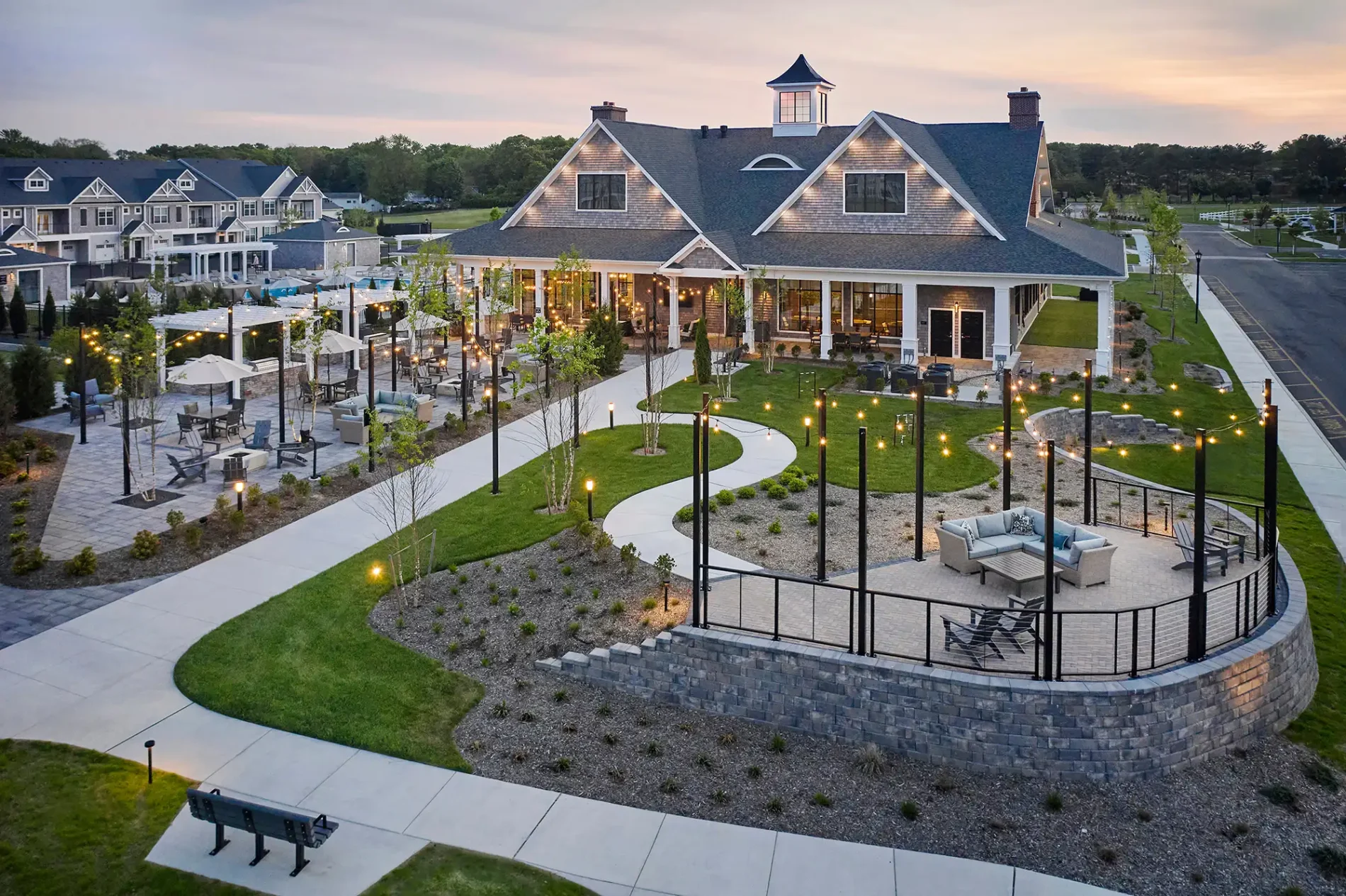

Long Island has always been defined by growth. The suburban communities that emerged after the Second World War transformed farmland into one of the most recognizable residential landscapes in the United States, built on the promise of homeownership, open space, and the American dream. Decades later, however, that same success has created a new challenge. With little undeveloped land remaining and housing demand continuing to outpace supply, the question facing Long Island is no longer whether it should grow, but how.
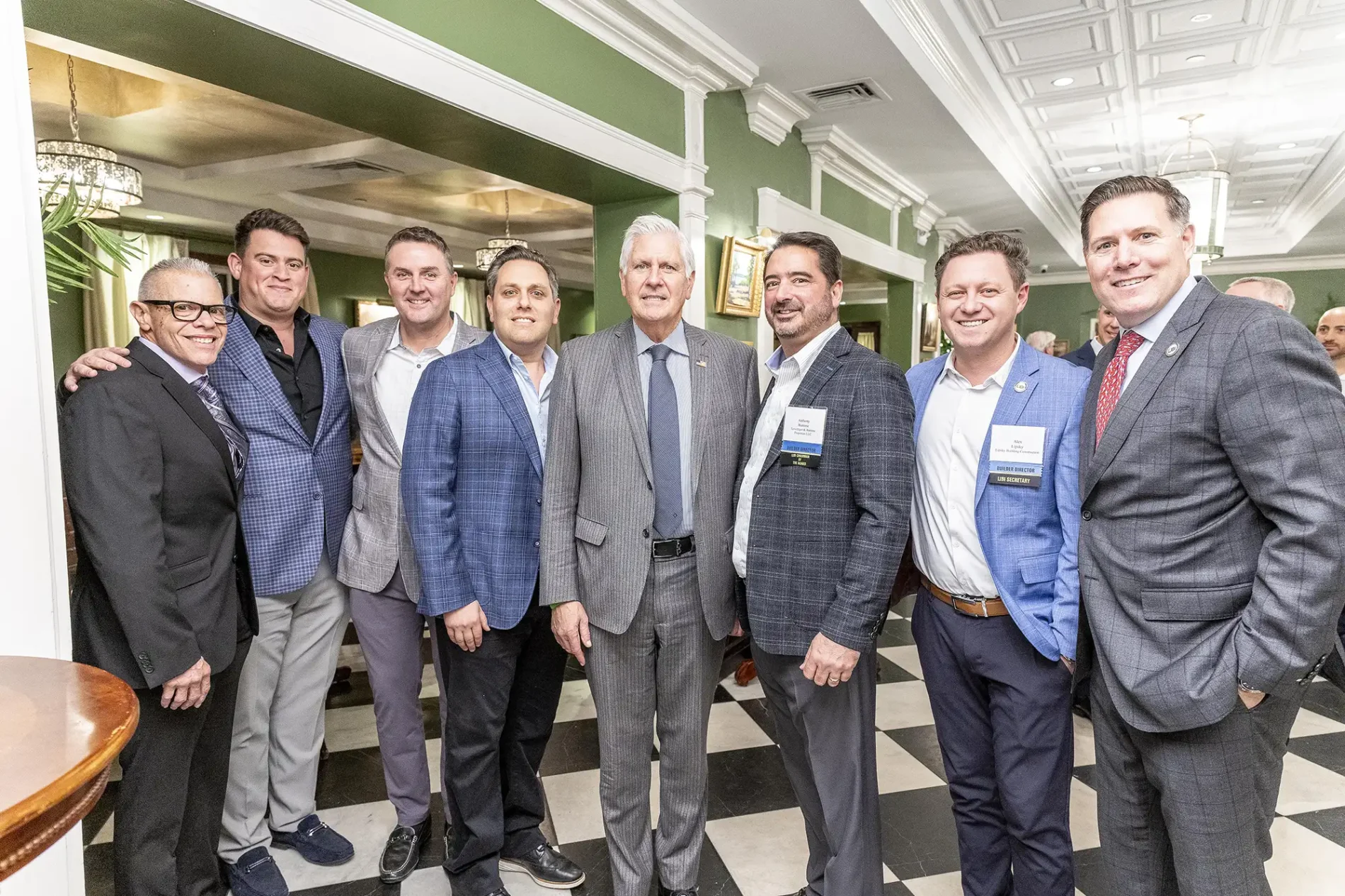
For the Long Island Builders Institute (LIBI), answering that question has become central to its mission. Representing the residential construction industry across Nassau and Suffolk counties, the organization advocates for policies that encourage responsible development while helping its members navigate an increasingly complex regulatory, political, and economic landscape. Whether promoting smart growth, advancing workforce development, or fighting legislation that increases the cost of construction, LIBI has positioned itself as both an industry advocate and a voice in the broader conversation about Long Island’s future.
According to Chief Executive Officer Mike Florio, understanding today’s housing challenges begins with understanding the region’s history. “So, just to set the stage, Long Island is a very difficult place for development,” he explained. “We are home to the first post-war suburban community.” As communities expanded during the latter half of the twentieth century, families were drawn by the promise of detached homes, backyards, and open space. “People came out here into the farmland for open space and the little house and the white picket fence in the backyard. That’s really how we evolved over the years.”
That model served Long Island well for generations, but it also consumed much of the available land. Today, Florio believes the challenge is no longer outward expansion, but thoughtful redevelopment. “There’s only really a few big parcels for significant development that exist,” he said. “Now we have a housing issue where we just don’t have enough housing for the amount of people that live here.”
Compounding the problem is the island’s existing housing mix. Florio noted that approximately 88 percent of Long Island’s residential land is zoned for single-family homes, while only a small percentage is designated for two-family or multifamily housing. As demand changes, particularly among young professionals and older residents looking to downsize, that imbalance is becoming increasingly apparent.
Rather than advocating for dense urban development across the island, LIBI supports what it describes as smart growth: carefully planned, mixed-use communities located where infrastructure already exists and where higher-density housing can strengthen surrounding businesses and public spaces. The approach has already produced tangible results.
Communities including Farmingdale, Patchogue, Mineola, and Ronkonkoma have embraced transit-oriented development around Long Island Rail Road stations, combining apartments, retail, restaurants, and public spaces into walkable neighborhoods. “They’ve been wildly successful,” Florio said. “The retail and the shops and the restaurants follow that. They’ve become hubs. They’ve become little economic engines across Long Island.”
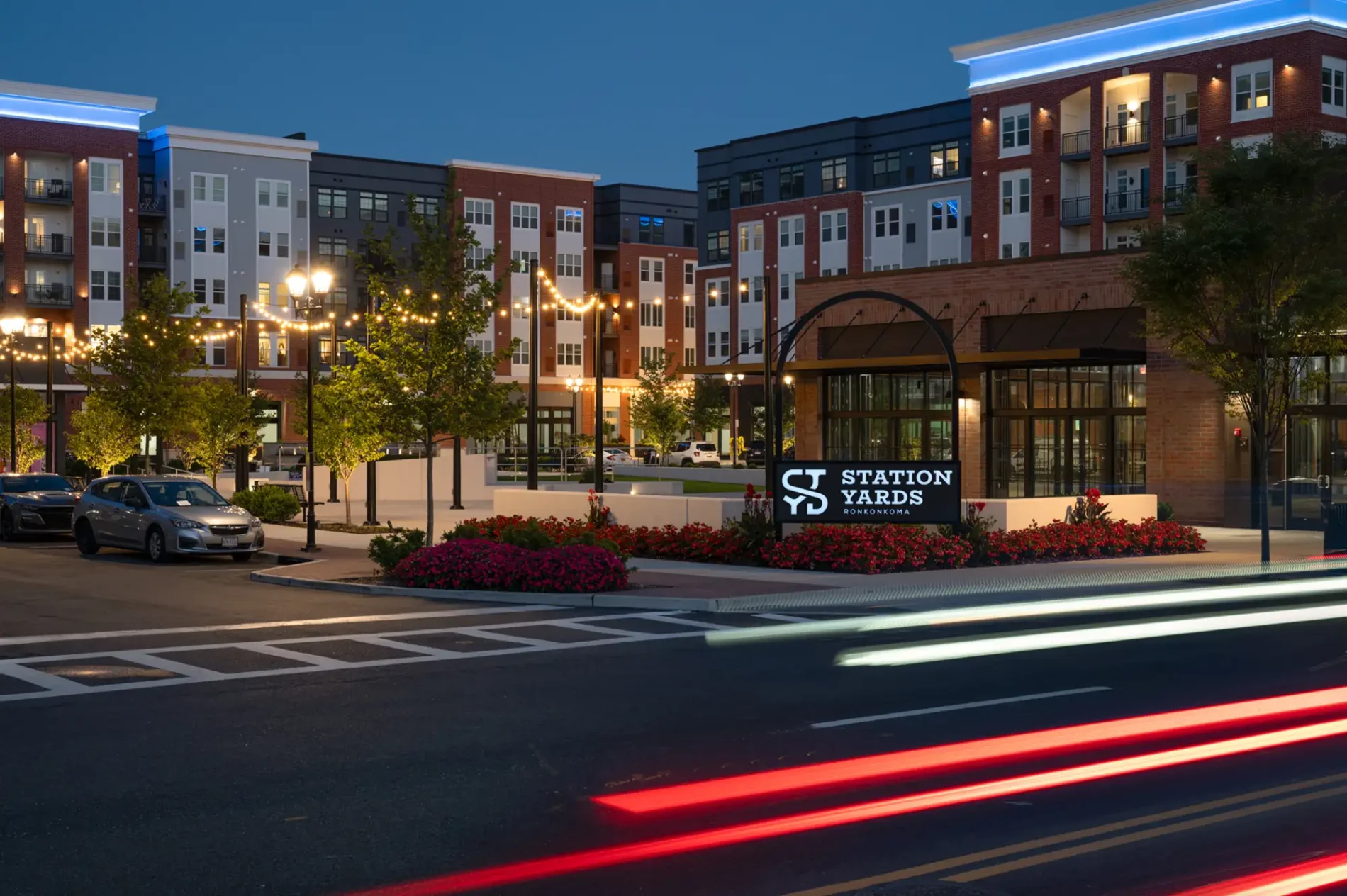
Among the most visible examples is the Station Yards development in Ronkonkoma, where approximately 1,400 residential units are being built alongside commercial amenities immediately adjacent to the train station. For Florio, projects like these demonstrate that thoughtful redevelopment can strengthen communities without fundamentally changing Long Island’s character. “We’ve seen great development out at the Ronkonkoma train station with the Station Yards project,” he said. “There’s areas where it works and it makes sense. It’s not that we’re going to do it everywhere… cherry-picking the right spots is key.”
That distinction is important. LIBI is not advocating for wholesale redevelopment across the island. Instead, it believes carefully selected locations can provide the housing diversity Long Island increasingly lacks while supporting local businesses, reducing commuting pressures, and creating more vibrant downtowns. A broader mix of housing is central to that vision. Compared with similar counties, Long Island has relatively little rental housing, leaving few options for younger residents entering the workforce or older homeowners looking to remain in their communities without maintaining large properties. “When you look at similar counties to us, they have about 40 percent of their housing stock as rental,” Florio said. “Ours is 20, if that.” The consequences affect multiple generations. Younger workers often struggle to find affordable housing close to employment, while many longtime residents find themselves living in homes that no longer suit their needs. “There’s nowhere for someone who’s young and coming out of school… to go find a place they can afford to live,” Florio explained. “That’s why we have a generation of kids living in their parents’ basements.”
At the same time, many older homeowners want to remain close to family and friends without continuing to maintain large suburban properties. “They don’t need the four bedrooms, the backyard and the pool and the lawn,” Florio said. “They want to stay here because their family’s here… but they don’t want the house anymore.” For LIBI, the answer lies in creating communities that offer genuine choice.
“A well-built community is something that has a diverse mix of housing,” Florio said. “It could be luxury, it could be starter homes, it could be multifamily, single family… it’s just got to provide an array of choices for people here.”
Changing public attitudes has become an equally important part of that process.
Florio believes perceptions surrounding multifamily housing have shifted dramatically over the past two decades. Developments that once generated community opposition are now viewed very differently after residents experience the amenities they create.
“What we see is, even people that come out against some of these projects, once they’re built three or four years, sometimes they’re living in them,” he said. “They’re saying, ‘Oh, these are nice. I like the fact that I can walk outside, I can go get my coffee, I could sit in the park… I can walk across the street to the train station.'”
While supporting smart growth remains one side of LIBI’s work, advocacy on behalf of the industry represents another equally important responsibility.
The organization regularly engages with local, state, and federal policymakers on legislation affecting residential construction, infrastructure investment, affordability, and housing supply. Among its most significant priorities is reform of New York’s Scaffold Law, which places absolute liability on contractors and property owners for gravity-related construction accidents. Industry organizations have long argued that the law contributes to substantially higher insurance premiums and ultimately increases construction costs.
“The organization regularly engages with local, state, and federal policymakers on legislation affecting residential construction, infrastructure investment, affordability, and housing supply.”
LIBI has also voiced concerns about policies such as New York’s All-Electric Building Act, emphasizing the need for practical implementation that considers housing affordability, infrastructure readiness, and consumer choice. For Florio, advocacy is ultimately about helping members continue delivering housing that remains financially viable while ensuring policymakers understand the practical consequences of legislative decisions. His background in government has proven valuable in those discussions, allowing him to bridge the gap between public policy and the realities contractors face every day. That experience has also reinforced the importance of collaboration rather than confrontation, particularly as Long Island seeks solutions to long-term housing challenges.
Beyond legislative work, LIBI continues investing in the future of the industry itself. Workforce development remains a major focus, with outreach programs designed to introduce students and young adults to careers in residential construction and the skilled trades. As experienced workers retire and demand for housing continues to grow, developing the next generation of builders has become increasingly important.
Looking ahead, Florio believes Long Island stands at an important moment. Demand for housing remains strong, public attitudes toward smart growth continue to evolve, and successful projects have demonstrated that thoughtfully planned development can strengthen communities while preserving what residents value most about the island.
For LIBI, the challenge is ensuring that momentum continues. Whether advocating for regulatory reform, supporting its members, promoting workforce development, or encouraging communities to embrace carefully planned growth, the organization sees its role as helping shape a Long Island that offers greater opportunity for future generations without losing sight of the qualities that made it one of America’s defining suburban regions. The island’s next chapter will undoubtedly look different from its last. For LIBI, that evolution is not something to resist, but something to guide responsibly, balancing the needs of today’s residents with the communities future generations will one day call home.