

For Rinker Materials Concrete Pipe, durability is the thread that weaves through everything. Rather than simply being a product characteristic, it shapes how the company approaches infrastructure design, how its engineers work with contractors and municipalities, and how it argues for the long-term value of concrete in projects expected to remain in service for generations.
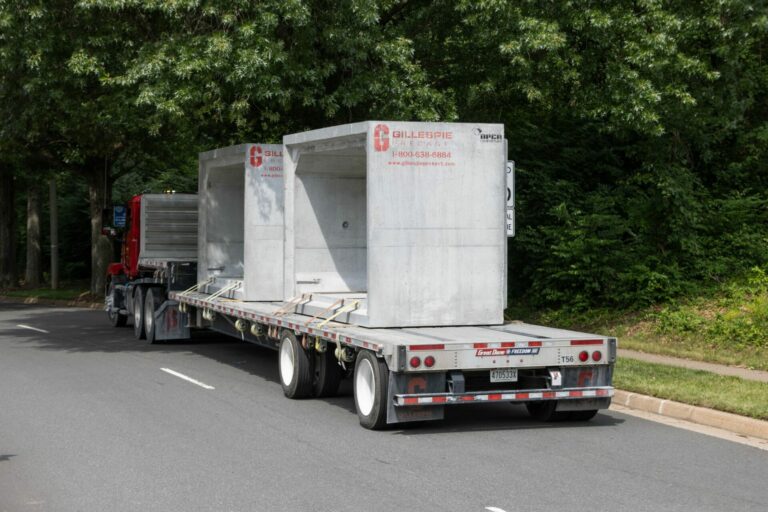
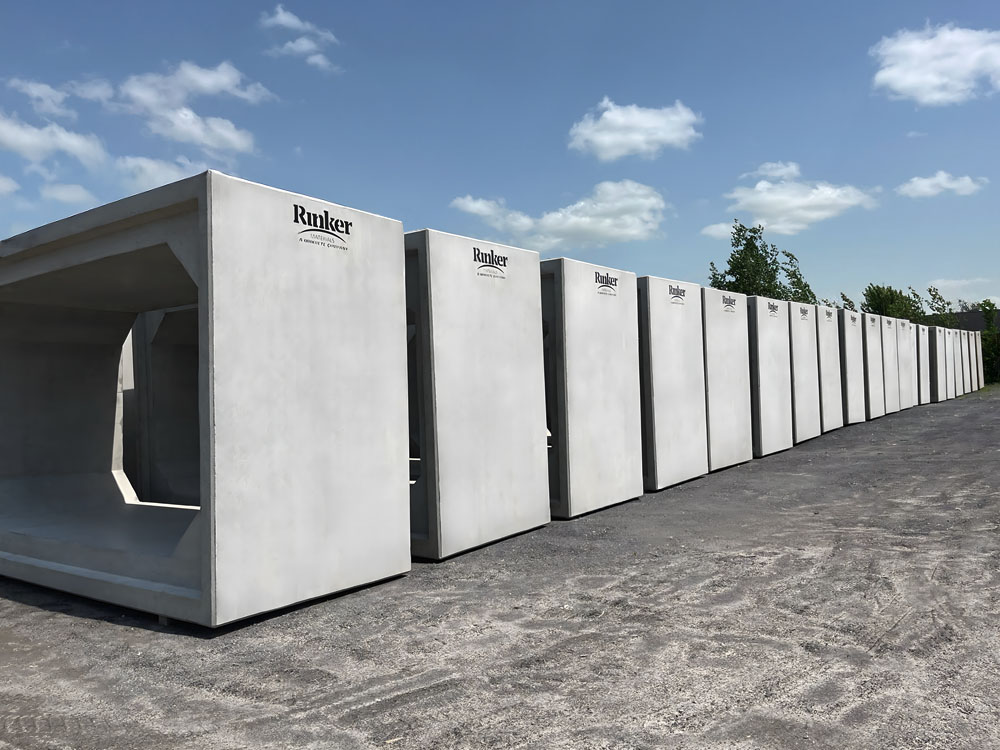
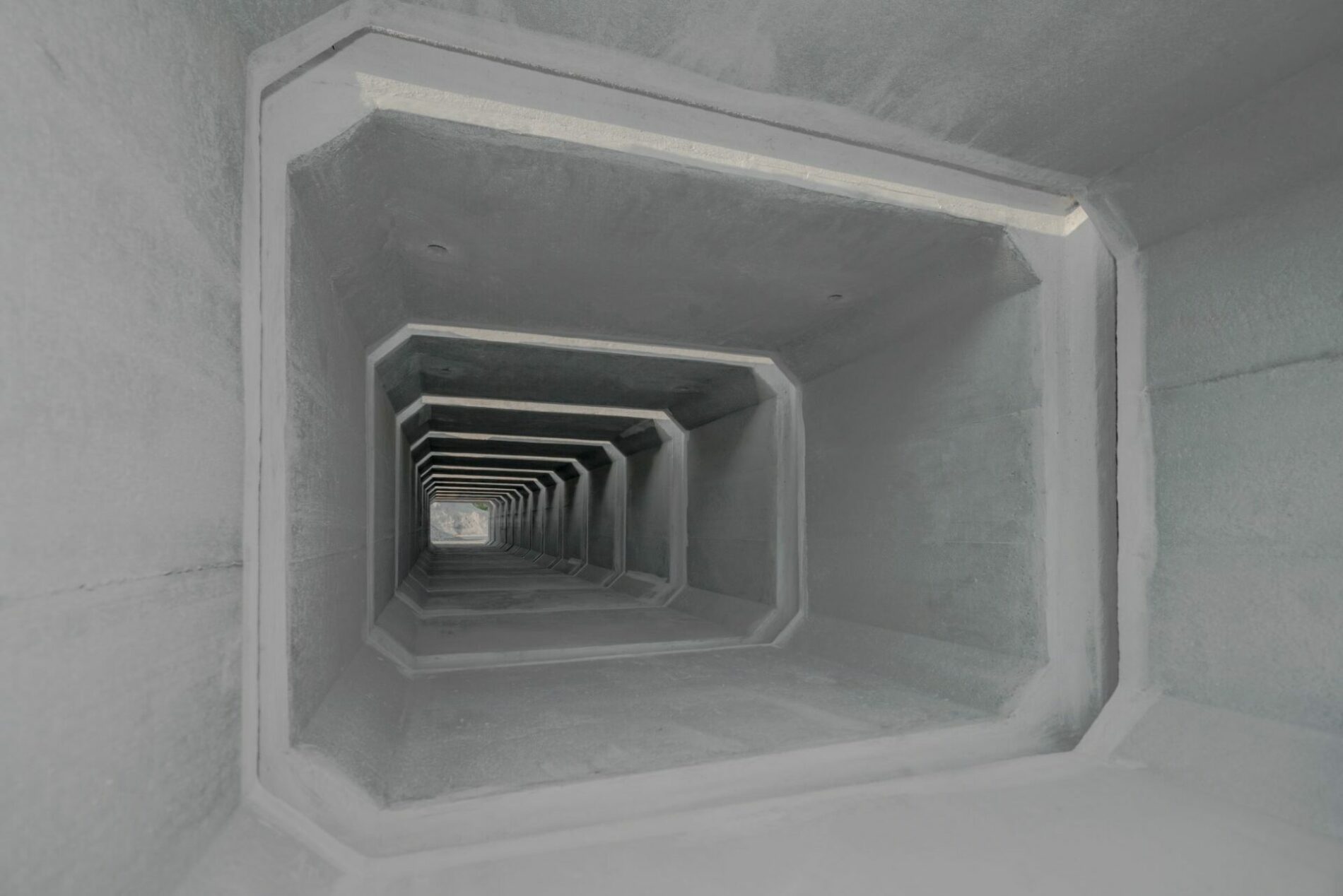
A QUIKRETE company based in Houston, Rinker operates over 70 locations across the United States and produces infrastructure solutions for stormwater, sanitary, bridge and specialty applications. Its core offering includes reinforced concrete pipe and reinforced concrete box products, alongside precast products such as manholes and bridges. Concrete pipe ranges from 12 to 144 inches in diameter, while precast box culverts extend from 3-by-2-foot sections to spans of 24 feet. Bridge solutions and specialty products broaden that range further. “With over 70 locations across the U.S, we’re able to focus and bring the right products and technical support to projects across the country,” said Craig Ramsey, Rinker vice president of engineering and technical services.
The footprint is only one part of Rinker’s capability. Ramsey points to the technical depth of its engineering teams as another significant advantage, particularly when projects move beyond standard applications. Rinker engineers are actively involved in industry organizations including the American Concrete Pipe Association, where they help engage in the technical conversations shaping standards, specifications, installation practices, and long-term performance expectations for precast products. That industry involvement, combined with knowledge shared across Rinker’s regional operations, gives customers access to engineering insight informed by both national best practices and real-world project experience.
That internal exchange is important because infrastructure conditions vary widely from one part of the country to another. Engineers can draw on expertise developed across different projects and applications rather than treating each regional challenge in isolation. As Ramsey put it, “Iron sharpens iron. Our teams are constantly learning from each other. How to build better products, make installation easier, and improve the customer experience.”
The practical result is an engineering resource that can become involved when conventional solutions do not neatly fit the conditions of a project. Rinker can work directly with customers, engineering firms and municipalities on product sizing, design, installation and implementation, using precast products in applications that may require a more specialized approach. According to Ramsey, that collaboration “can help make installation quicker, easier, and more cost-effective.”
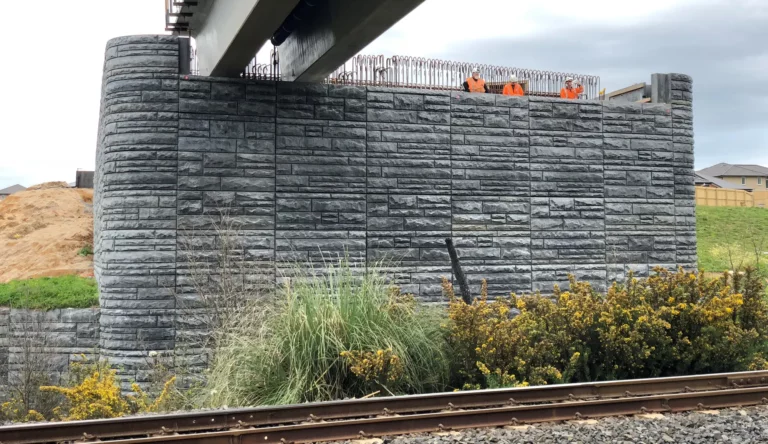
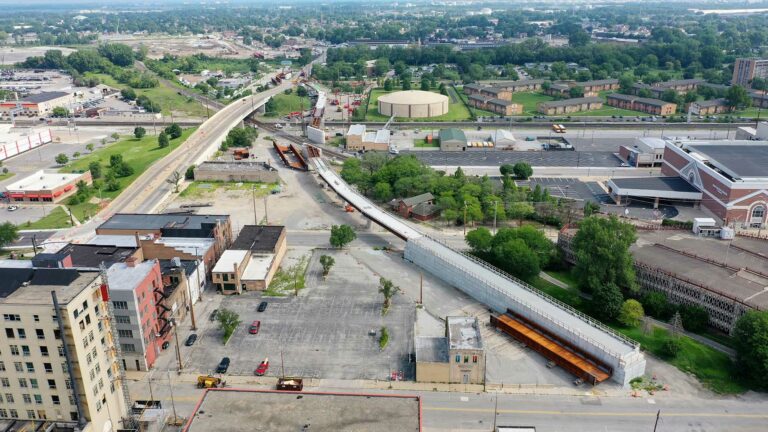
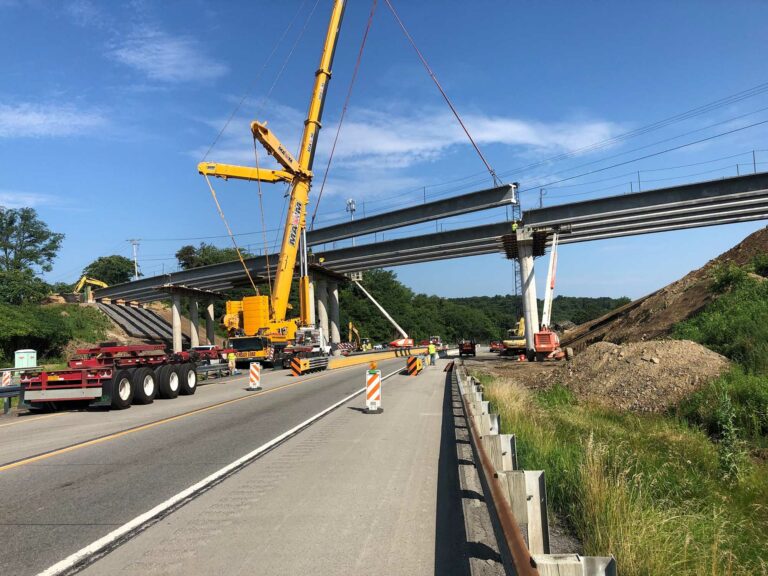
Rinker’s engineering capacity also allows the company to pursue work outside typical pipe and box-culvert applications. Ramsey cited installations involving depths of more than 100 feet as well as large bridge work. On one current bridge project, he said Rinker has been working with the contractor, engineer and local municipality on the bridge beams and the means and methods of construction and installation in an effort to address the specific challenges of the site. This ability to participate in the technical discussion connects directly with the larger argument Rinker makes for concrete: infrastructure is expected to endure, and material selection can determine how successfully it does so.
Many reinforced concrete pipe and precast drainage products are designed for service lives of 100 years or longer when properly designed, manufactured, and installed. Ramsey reaches back much further to explain why concrete has such a strong association with permanence. “Most people think of – when they think of concrete – they think of the Romans. Something that lasted for thousands of years,” he said.
For modern highway and drainage infrastructure, however, durability is less abstract. Heavy rainfall, flooding and other events can expose weaknesses that may not become apparent under normal operating conditions. The weight and structural characteristics of concrete pipe become particularly significant when water conditions exceed the assumptions incorporated into the original design. “Our product is designed to stay in place and meet the need over the long term, particularly in conditions where lighter or more installation-sensitive products may face greater risk.” Ramsey said.
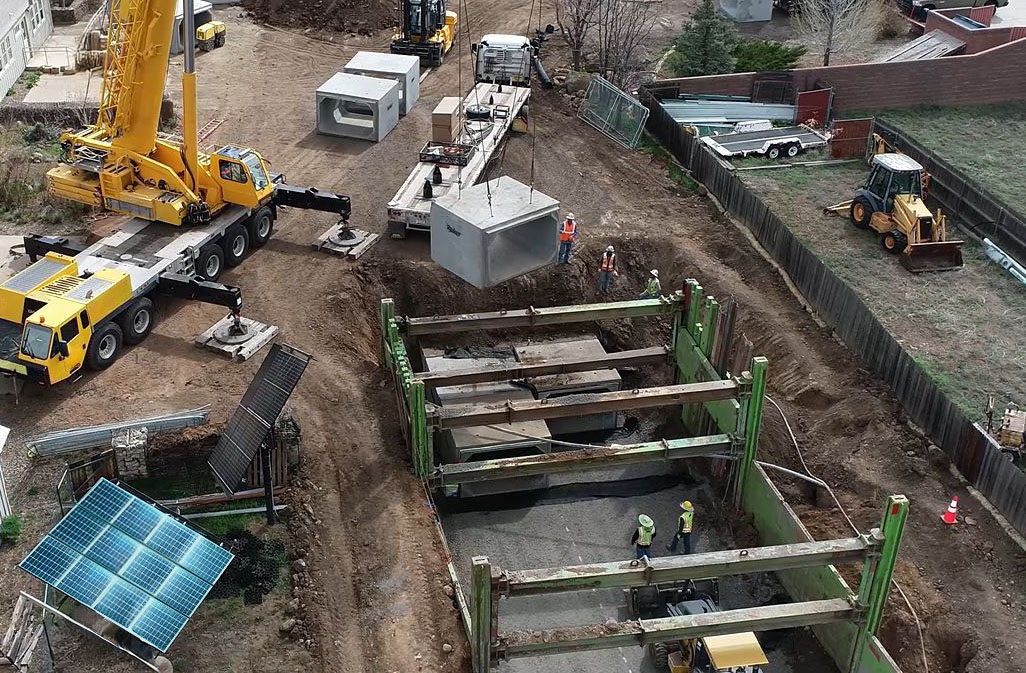
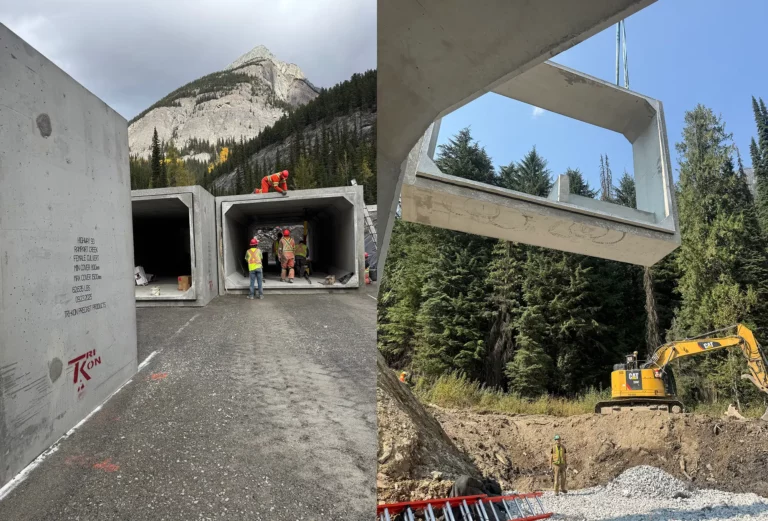
The Schultz Creek Drainage project in Flagstaff, Arizona, brought that issue into sharp focus. After the 2022 Pipeline Fire damaged the Schultz Creek watershed, increased runoff and erosion placed new demands on downstream stormwater infrastructure. The project involved realigning and increasing drainage capacity beneath Highway 180, one of the area’s busiest routes, to help address flooding risk for the downstream neighborhood, elementary school, fire station, and nearby businesses. It was the type of post-fire infrastructure challenge communities are facing more often as major environmental events place greater stress on drainage systems, roadways, and critical public infrastructure. The project ultimately received an ACPA Project Achievement Award, recognizing the use of reinforced concrete box culverts to deliver a timely, resilient drainage solution for a complex post-fire flood mitigation challenge. Rinker manufactured and supplied 848 feet of reinforced concrete box culvert beneath the highway, with installation completed in three months and ahead of the critical deadline. “After the Pipeline Fire, the watershed changed dramatically,” Ramsey said. “The project was about increasing capacity and reducing risk before the next monsoon season. These are the kinds of infrastructure challenges communities across the nation are facing more often, and it required close coordination among the contractor, engineer, municipality, and our Rinker team. It was truly a team effort.”
“The project was about increasing capacity and reducing risk before the next monsoon season.”
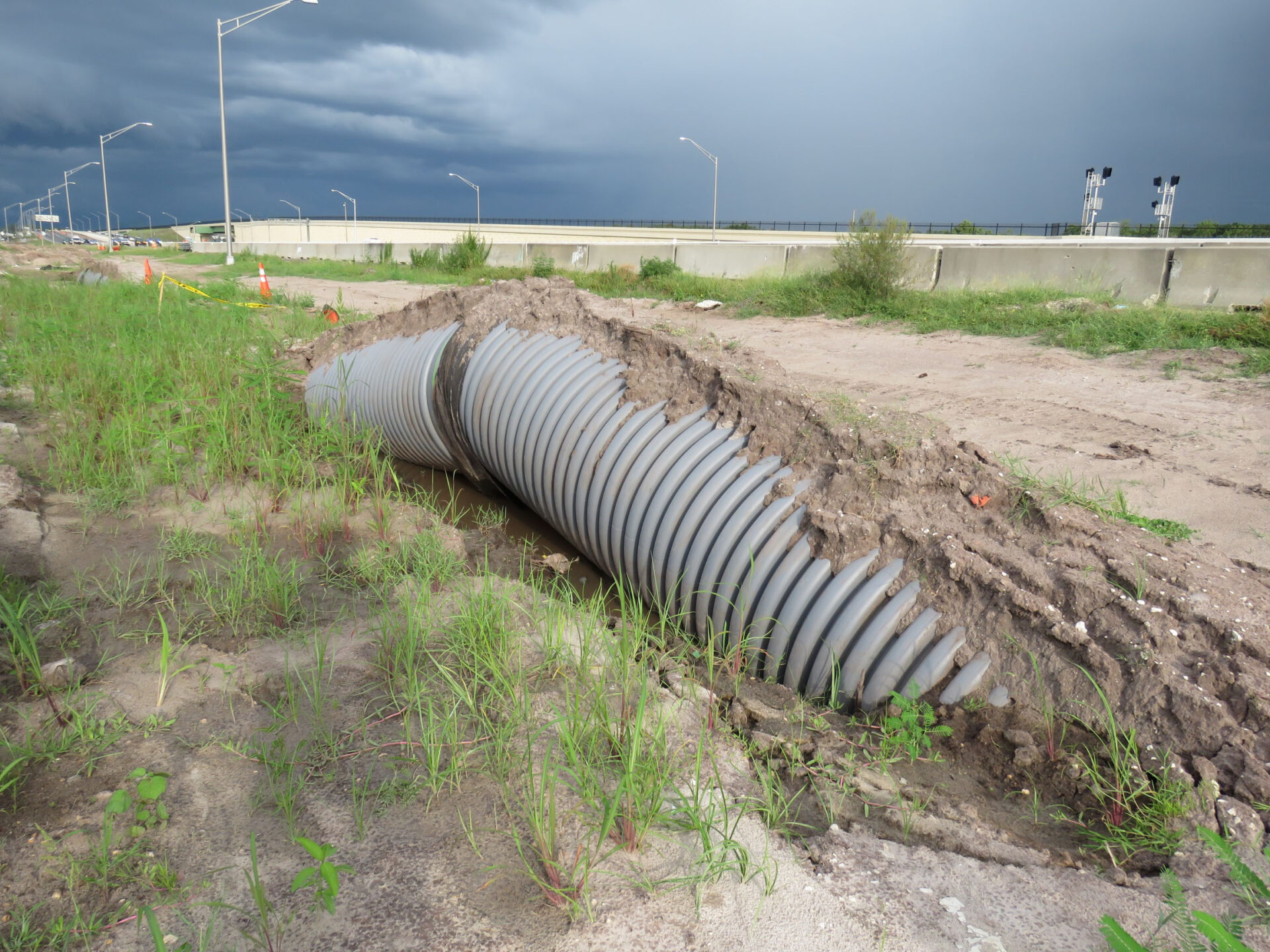
A Central Florida Expressway project provided a different demonstration of the same durability question. Rinker became involved after plastic pipe installed by a third party floated out of the ground during a rainstorm. The company replaced the application with concrete pipe. The project also drew on two groups within Rinker’s engineering organization: technical resource engineers focused on specifications and products, and engineers responsible for design and other technical work. Their involvement highlighted an issue Ramsey believes can be overlooked when drainage systems are evaluated: the effect of groundwater on pipe performance. “That’s one of the things that other engineering firms, or other engineers may not be aware of,” he said. “That’s another area where we’re talking with contractors and engineering firms. We help to educate them on some of those challenges to reduce the chances of this happening in the future.”
The distinction matters because Rinker’s argument is not based solely on the purchase price of a pipe. Ramsey acknowledged that some products may carry a lower initial product cost, but said infrastructure owners should consider installation, maintenance and proven real world service life when assessing the total cost of a system for a true life cycle cost. From that perspective, Rinker sees concrete’s weight, strength and longevity as part of a wider lifecycle calculation where concrete provides greater value over the full lifecycle of many infrastructure applications.
Changing environmental conditions add urgency to that discussion. Ramsey said states are reassessing evacuation routes and other critical infrastructure as major weather events place greater demands on drainage systems. FHWA recently released Technical Brief FHWA-HRT-26-005 (April 2026), which highlights the impacts of wildfires on infrastructure assets. “We see more and more of these large environmental issues happening that are impacting our nation’s infrastructure,” he said. “Concrete is the solution to those problems … they are able to facilitate and accommodate these environmental hazards, whereas other materials are not so.”
Rinker is also seeing examples of public agencies revisiting their specifications. Ramsey pointed to Waller County, west of Houston, where he said requirements were recently changed to allow only reinforced concrete pipe for private development (memo date May 7, 2026). He attributed part of that decision to concerns about long-term infrastructure maintenance once responsibility for completed systems transfers to the county. For Ramsey, that discussion ultimately comes back to how precast concrete itself is classified and understood. “Precast concrete products – they’re a physical structure,” he said. “They’re not just a hole in the ground for conveyance. They are specifically a structure, so they hold up the soil and they allow the water, or whatever materials to really pass through.”
This distinction captures the case Rinker is trying to make. Its scale gives the company the ability to manufacture and supply products across the country, while its engineering resources allow it to work through the conditions that make individual infrastructure projects difficult. But both capabilities converge on the same requirement: once infrastructure goes into the ground, its performance is measured over decades, not simply at installation. For a producer whose products may be expected to remain in place for a century or more, that long view is not separate from Rinker’s technical offering. It is the reason for it.