








As Let It Grow celebrates its 40th anniversary, the company stands as a fixture in one of the most challenging yet rewarding markets in the United States: metropolitan New York City. Founded in 1986 by Paul T. Imbarrato, the company has spent nearly four decades building landscapes that turn urban density into livable, beautiful spaces. From rooftop gardens and city parks to university campuses and corporate headquarters, Let It Grow has helped redefine how greenery fits into modern architecture.
Imbarrato began modestly, working as a commercial landscaper across New Jersey. But as demand for larger, more complex work grew, he quickly discovered a niche. “He began as a commercial landscaper but quickly found more demand in the ‘pure build aspect of the business,’” explains President Saurabh Pabrekar. That early instinct, to follow where the demand was heading, became the foundation for Let It Grow’s success.
The company’s name itself captures both Imbarrato’s personality and philosophy. A lifelong Grateful Dead fan, he took the name from Let It Grow, part of the band’s 1973 Weather Report Suite. Just like the lyrics that inspired it, Imbarrato “followed the path” of opportunity, first through local commercial builds and malls in New Jersey, then on to larger union projects that would establish his reputation.
A major breakthrough came with Westfield’s Garden State Plaza, one of the region’s signature shopping malls. The project introduced Imbarrato to the potential of project labor agreements, which opened the door for union labor to participate. Recognizing the opportunity to serve both markets, he split the business into two entities: Westland Irrigation for union work, and Let It Grow for commercial non-union projects. The move set the stage for sustained growth through the 1990s and early 2000s.
By the turn of the century, Let It Grow had become a recognized player in municipal and public projects, bidding competitively on infrastructure and green-space developments. Annual sales rose from $5 million to $8 million, supported by projects across New Jersey’s local government landscape.
The company’s next inflection point came with Pabrekar’s arrival in 2012. With a strong background in construction management and business development, he saw an opportunity to expand Let It Grow’s reach into mixed-use and residential developments. “I built my own book of business for commercial-residential work—meaning apartment and condo complexes—under the company’s umbrella,” he recalls. That shift proved transformative, doubling revenues to $18 million a year and opening a new chapter for the company: rooftop landscapes.
“It’s a different world altogether,” Pabrekar says of working in New York City. “You don’t have the open space that you have in New Jersey.” The logistical and engineering challenges, moving tons of soil, trees, and materials onto rooftops high above city streets, added complexity but also excitement. “How to get materials up to a high height, in a dense urban environment, forms part of the difficulty and fun.”
Those rooftop projects quickly propelled the company’s revenue upward. Let It Grow broke through the $20 million mark, then $40 million, and now anticipates more than $65 million in revenue by the end of 2025. Pabrekar attributes that success to both innovation and patience. “You have to be extremely patient because we know the clients have to maneuver their budgets,” he explains. “We offer tireless service to help them figure out how to build their projects, how to give them the amenities.”
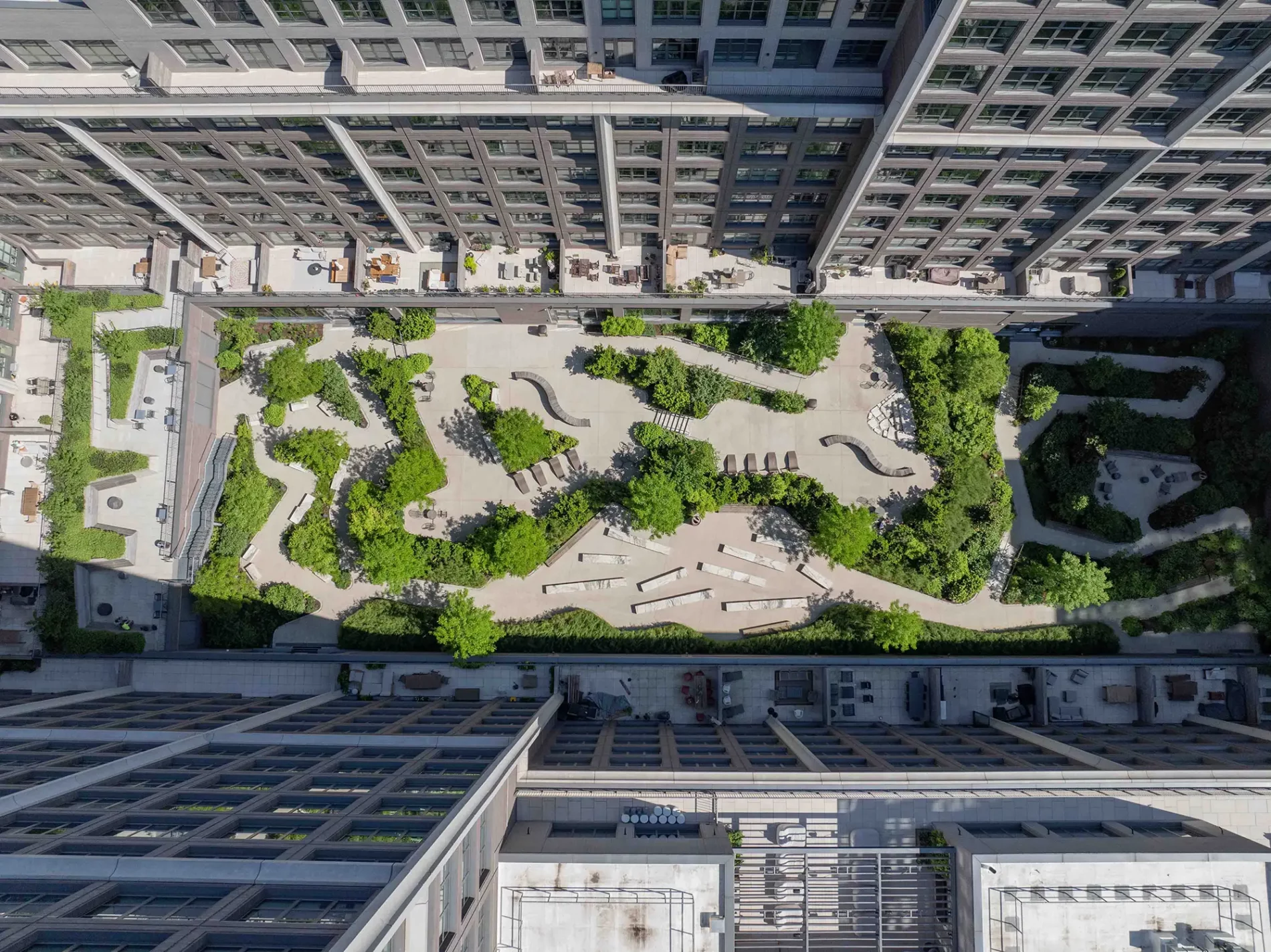
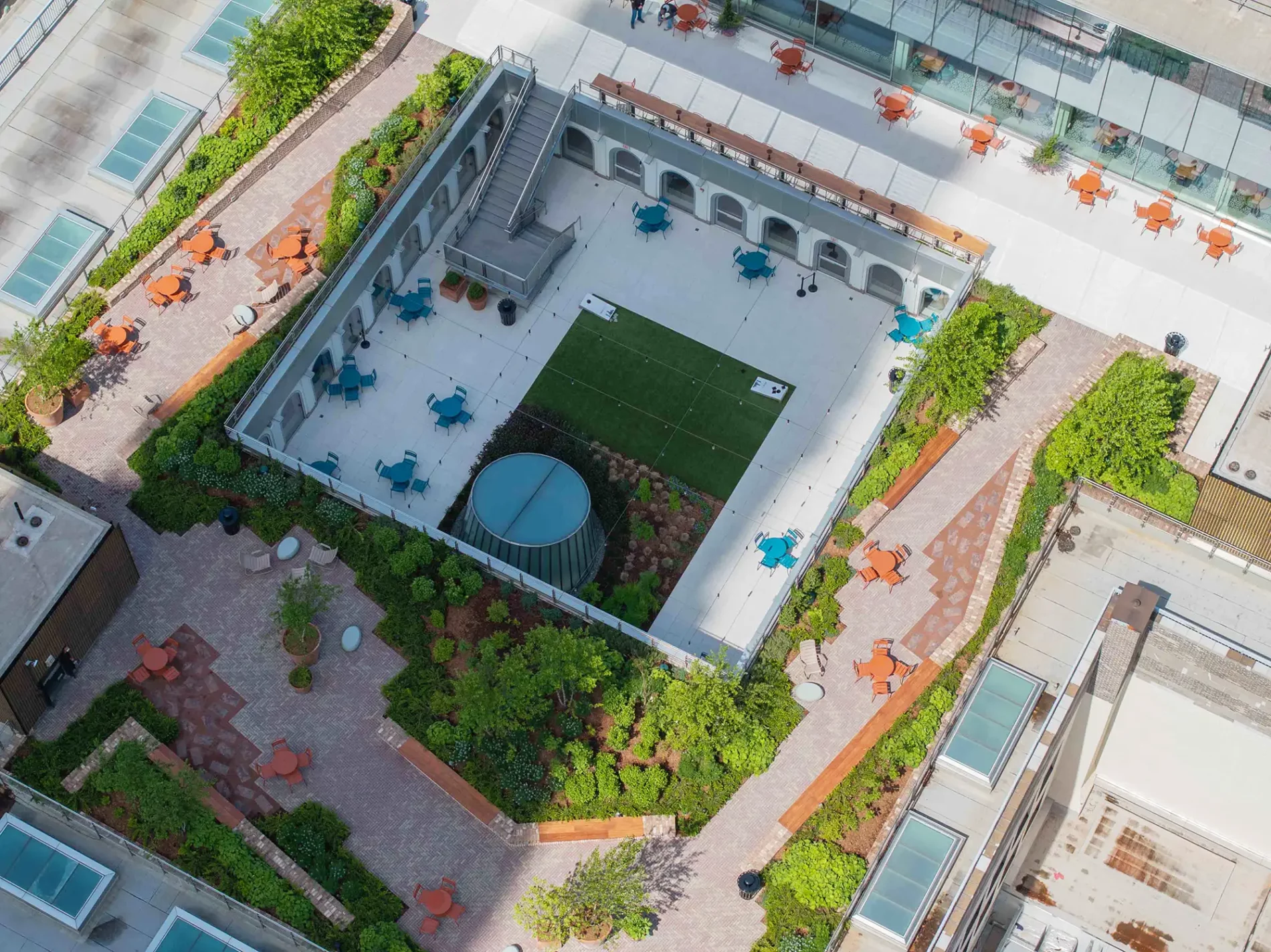
Let It Grow’s reputation for creativity and reliability has earned it some of the region’s most prestigious contracts. Among its recent standout projects is Disney’s new headquarters at Project Galaxy in New York City, where the company worked with landscape architect SCAPE LA and general contractor Structure Tone. The tight urban site required careful coordination to install more than 26,000 square feet of custom pavers, 200+ trees, 40,000 perennials, and 3,500 planters, each with integrated lighting.
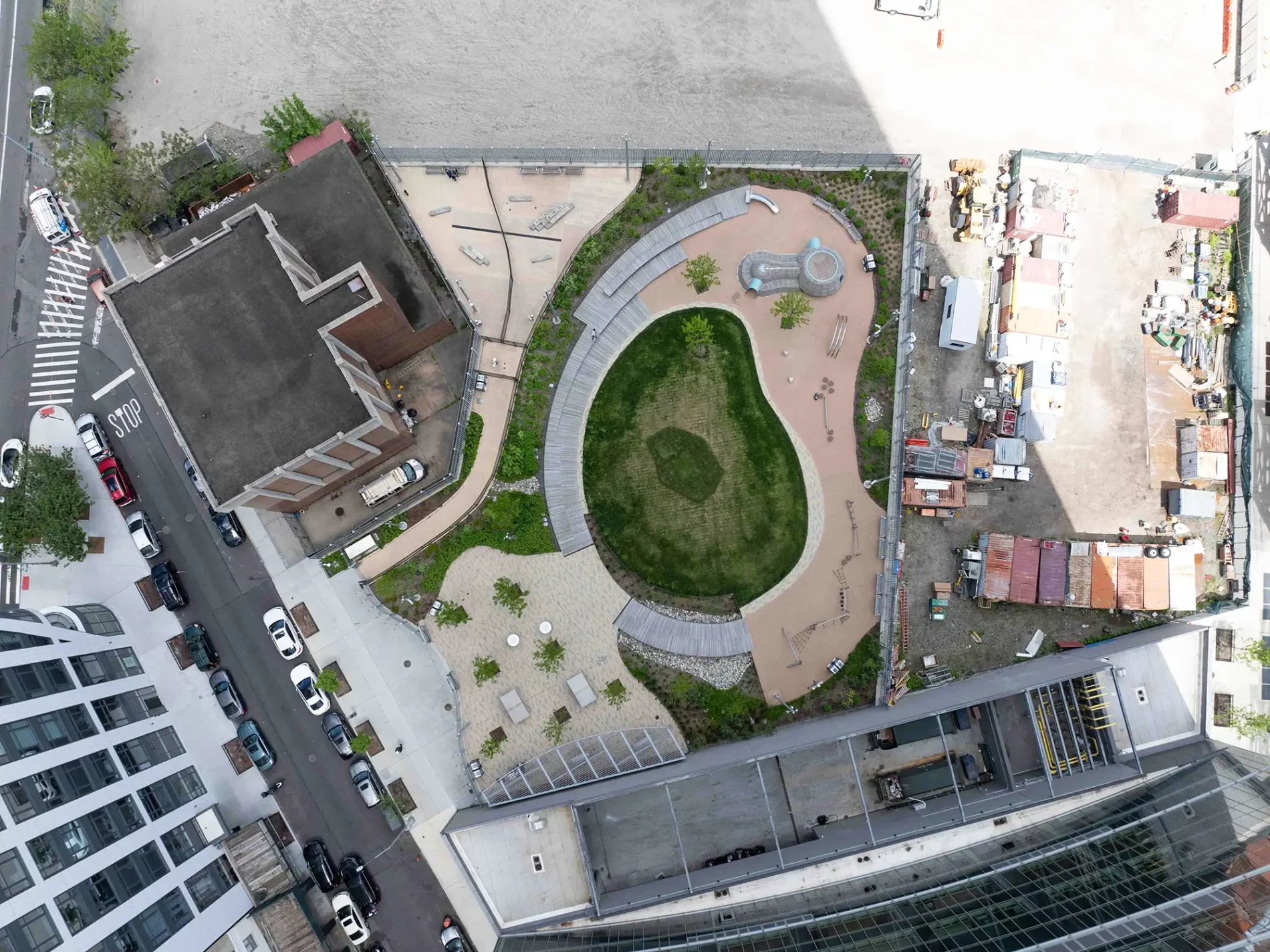
Another high-profile assignment was the Facebook Campus at Moynihan Train Hall, developed under general contractor Skanska with landscape architect Future Green Studio. The complex rooftop build included 24,000 square feet of paving, 12,000 square feet of granite, and nearly 60,000 perennials, creating a living environment in one of Manhattan’s busiest transit hubs.
In New Jersey, Let It Grow continues to deliver transformative community projects. The Columbus Park redevelopment in Garfield, completed with Colliers Engineering & Design, turned a seven-acre neighborhood park into a vibrant green space with 87,000 square feet of paving, a 4,000-square-foot pavilion, and 4,000 linear feet of storm drainage, all built under active neighborhood conditions. “That project really demonstrated our attention to detail and safety,” Pabrekar says.
At Princeton University, Let It Grow collaborated with renowned landscape architect James Corner Field Operations and general contractor Whiting-Turner to complete a complex winter build. The project included 350 light-pole footings, 50,000 square feet of exposed aggregate concrete, and 27,000 square feet of pavers, all delivered on a tight schedule for the fall semester. Similarly, at Church Square Park in Hoboken, the company partnered with landscape architect Arterial to reconstruct the park around mature trees—some over a century old—using specialized arborist techniques to protect deep roots.
These projects reflect Let It Grow’s dual expertise: navigating large-scale public works and delivering high-end private developments. Whether building rooftop parks for luxury towers or reconstructing neighborhood playgrounds, the company applies the same precision and care. “I hate to call it this, but it is a luxury to have a beautiful part of a building, because there are tons of buildings that have nothing in them,” Pabrekar says. “New York City is recognizing that all residents should have access to these beautiful spaces—including those in affordable housing builds, which is now quickly picking up speed.”
“New York City is recognizing that all residents should have access to these beautiful spaces—including those in affordable housing builds, which is now quickly picking up speed.”
For Pabrekar and Imbarrato, relationships are at the center of the company’s philosophy. Rather than chasing low bids, they focus on long-term partnerships. “We prefer a holistic approach in utilizing the same vendors, giving them a large volume of work, and having predictability in their pricing so that we can go out and get more work,” Pabrekar explains. “The end result is a product, but it’s really a service industry, and people want to work with who they enjoy working with.”
That focus on collaboration extends to clients as well. “It’s not about dollars and cents,” Pabrekar emphasizes. “It’s about how the customer feels about working with you.” This people-first mentality, he says, has been key to maintaining strong repeat business across public and private sectors alike.
Looking ahead, Let It Grow plans to expand its portfolio of public waterfront projects in partnership with New York City’s Department of Parks and Recreation and the Hudson River Trust. The company is also growing its maintenance division, which currently generates around $2 million in annual revenue but is expected to climb to 10–15 percent of total sales over the next few years. That work will take the company back to its New Jersey roots, offering ongoing landscape management for the communities where it first built its name.
After four decades in business, Let It Grow continues to balance artistry and logistics, vision and precision. From suburban office parks to Manhattan rooftops, the company has stayed true to the values that inspired its founder: creativity, perseverance, and a love of the craft. As it celebrates its 40th year, Let It Grow’s influence can be seen not just in the spaces it has built, but in the way it has redefined what urban landscapes can be—living, breathing, and beautiful even amid the densest cityscape.