






J &I Cordon Electric’s expansion over the past 25 years can be measured in geography, project scale and the range of work it now undertakes. From a single truck, the Lawrenceville, Georgia-based company has grown into a multi-state electrical contractor serving residential, commercial, government and industrial clients across the Southeast. Yet president Oscar Cordon traces the company’s operating philosophy back to something much simpler: taking care of the customer. “The No. 1 objective is our customers,” Cordon said.
This principle has remained in place as the business has broadened into a full-service electrical operation. Its capabilities now extend from preventative and routine maintenance through machine wiring, equipment hookups, code-compliance and safety audits, emergency repairs, power distribution, lighting upgrades, motor control centers, electrical load analysis, tenant buildouts and commercial renovations. The breadth of that work has required J&I Cordon Electric to learn how to operate across multiple jurisdictions without losing sight of the standards that govern each job. For an electrical contractor moving between states and counties, that can be a significant practical challenge. “Along the way, we have learned about the many ways [of electrical code] in different states such as Alabama, North Carolina, South Carolina, Tennessee,” Cordon said. “And the biggest challenge that the company has is we’ve got different code issues whenever you move from county to county, and then state to state.”
This experience has become increasingly valuable as the company has expanded beyond its residential division to provide commercial, industrial, government, and institutional services. Those assignments range from smaller restaurant projects to tract housing and, according to Cordon, play an important role in cash flow because payments typically arrive more quickly than on larger public- and private-sector projects. Those larger jobs operate on a different financial rhythm. Their longer payment cycles can place different demands on the business, but the proceeds also provide opportunities for J&I Cordon Electric to reinvest in its infrastructure and workforce. The balance between shorter-duration service work and larger construction projects has therefore become part of how the company manages growth rather than simply a reflection of the sectors it serves.
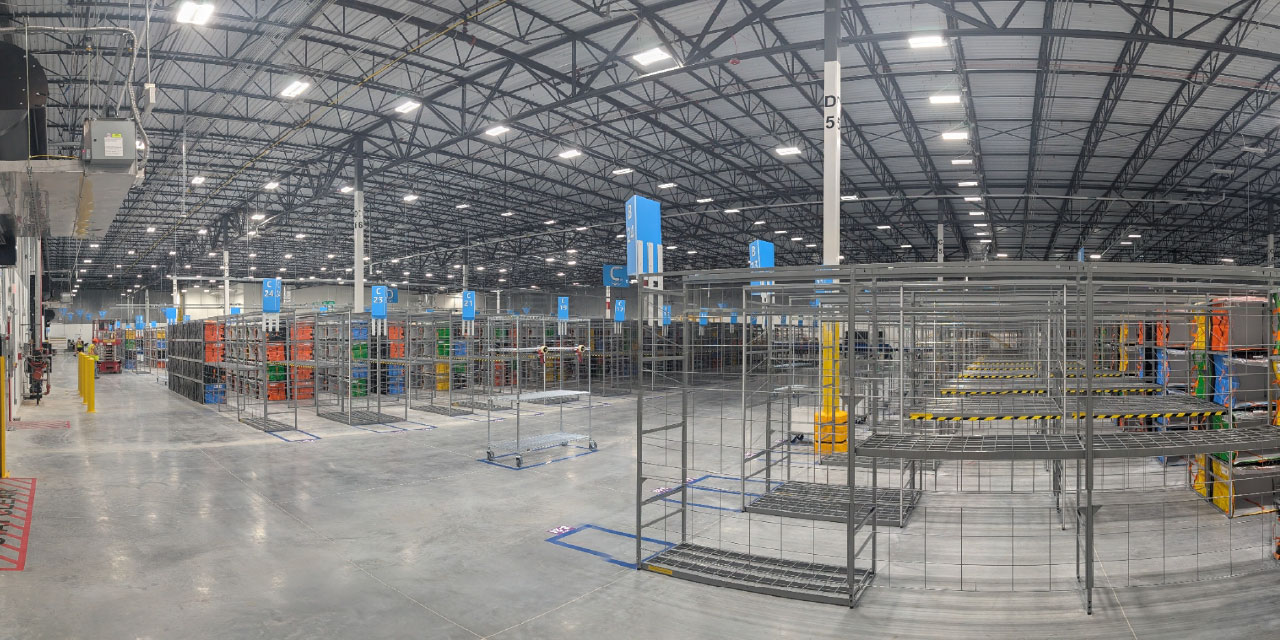
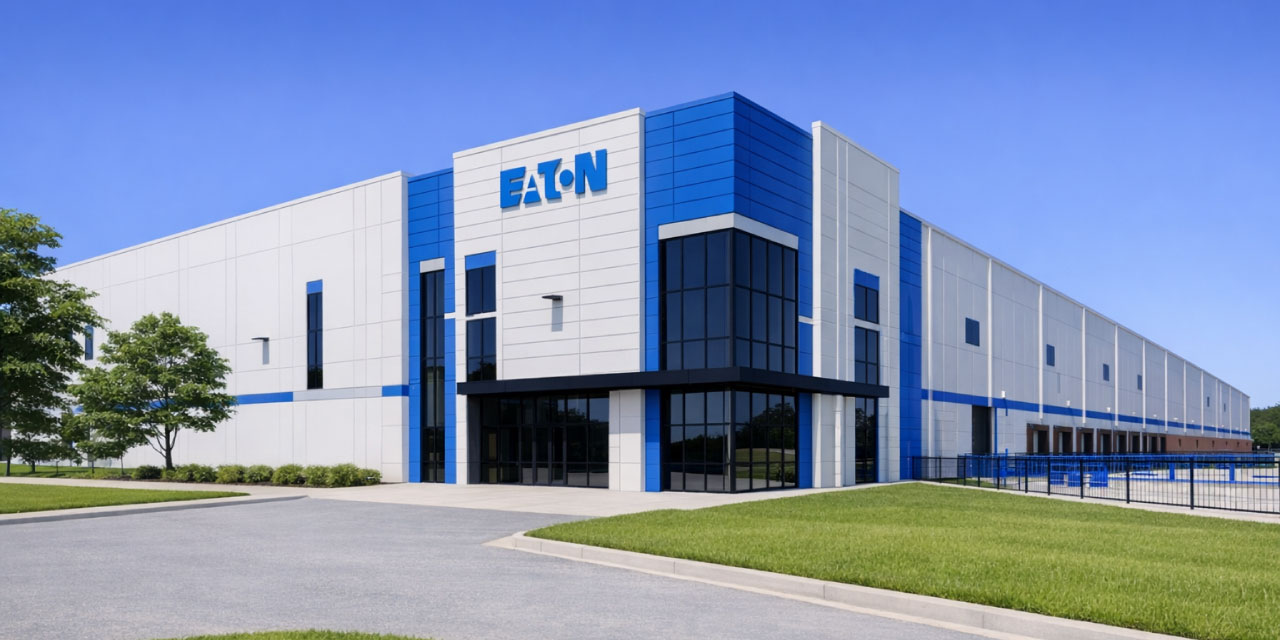
According to Alex Ponciano, Vice President of Operations, the company’s project portfolio reflects how significantly its capabilities have expanded. J&I Cordon Electric has completed several projects for Amazon, including Project Frontier, a 100,000-square-foot delivery center in Jacksonville, North Carolina. Serving as electrical subcontractor, the company was responsible for full electrical installation work that included electrical gear and lighting systems, coordination with the general contractor and project partners, and infrastructure supporting the facility’s logistics operations. The company delivered a similar scope of work for Eaton’s new distribution center in Raleigh, North Carolina.
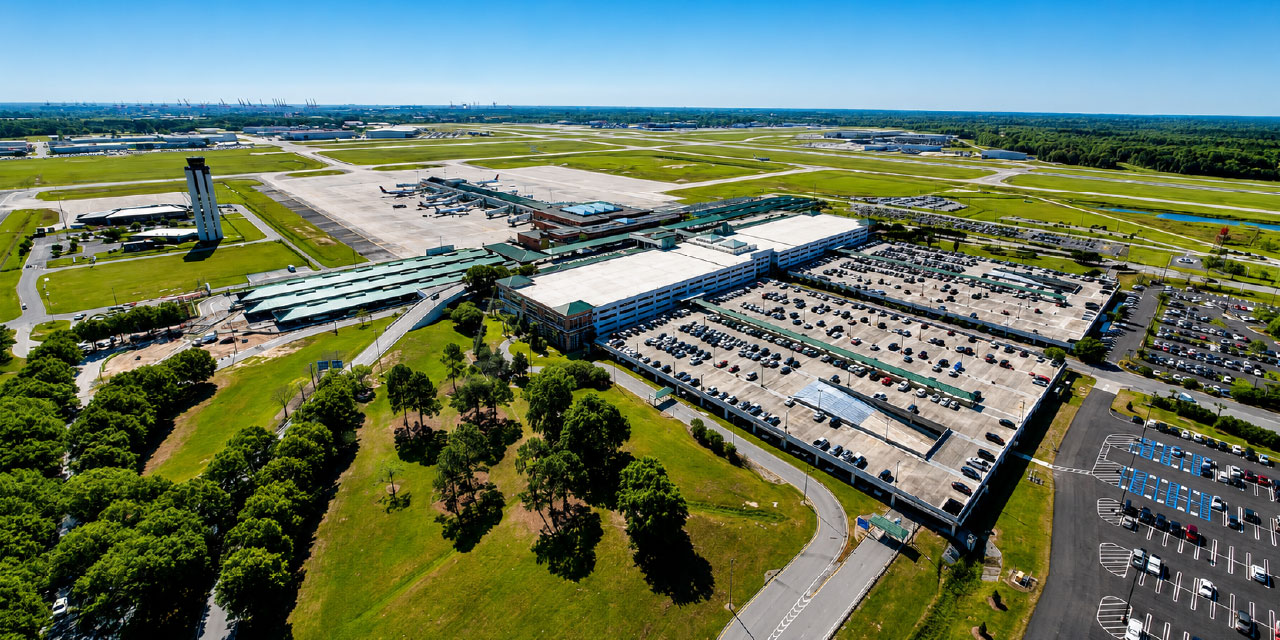
At Savannah/Hilton Head International Airport, the scale and complexity of the environment called for a different mix of capabilities. J&I Cordon Electric’s work on the terminal expansion included power distribution, advanced lighting, light-pole installation, structured cabling, ERRCS systems, and fire alarm and security systems. The scope extended into operational areas tied to passenger safety, security, access control, networking and communications.
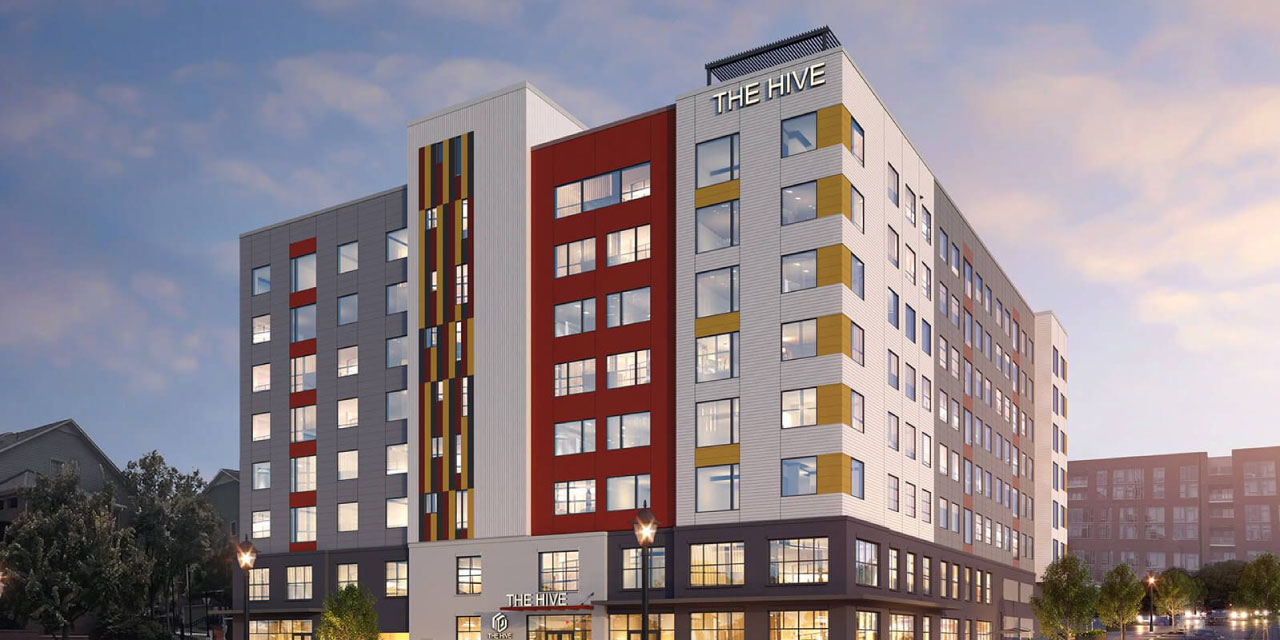
Multifamily construction adds another dimension. At 564 Centennial Park, a 100-unit development, the company delivered integrated electrical systems that included a complete turnkey installation, a 400A three-phase power distribution system and LED lighting throughout residential units and common areas. Its work also included emergency backup generator systems, parking-garage electrical infrastructure and life-safety systems.
Taken together, these projects illustrate how far J&I Cordon Electric has advanced from its single-truck beginnings. They also demonstrate why diversification has become an increasingly intentional part of the company’s growth strategy.
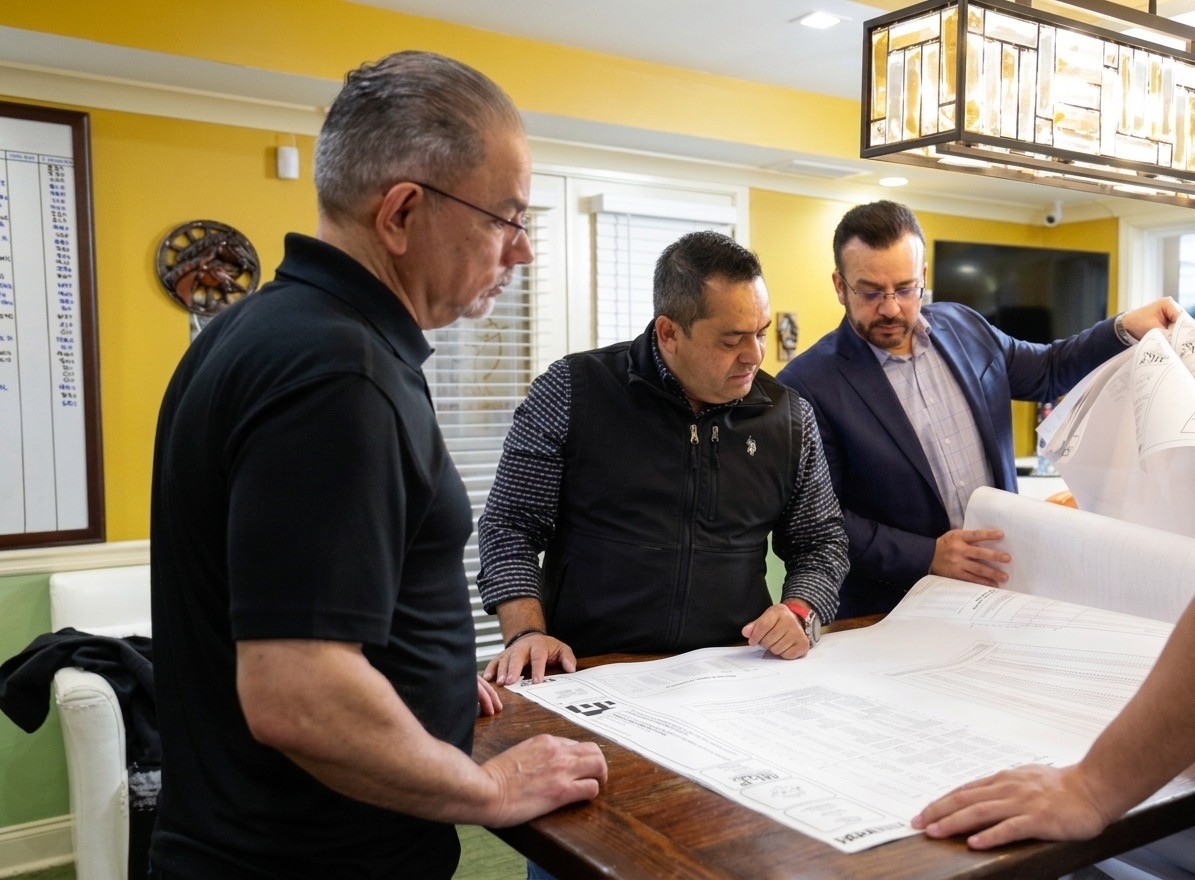
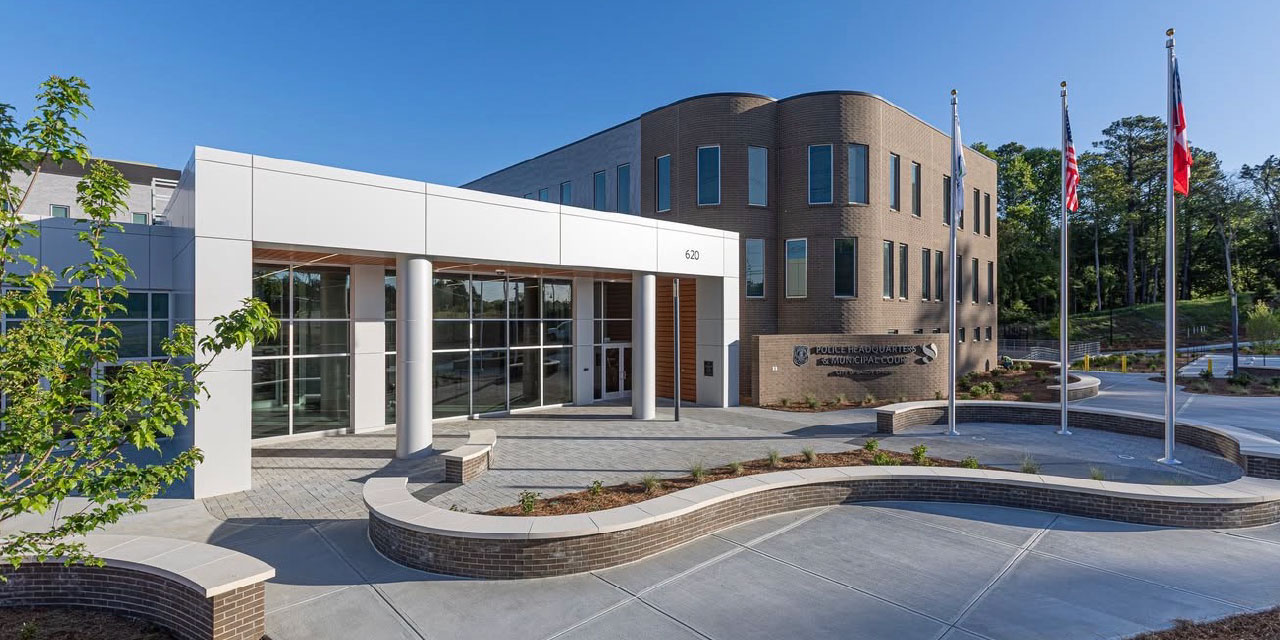
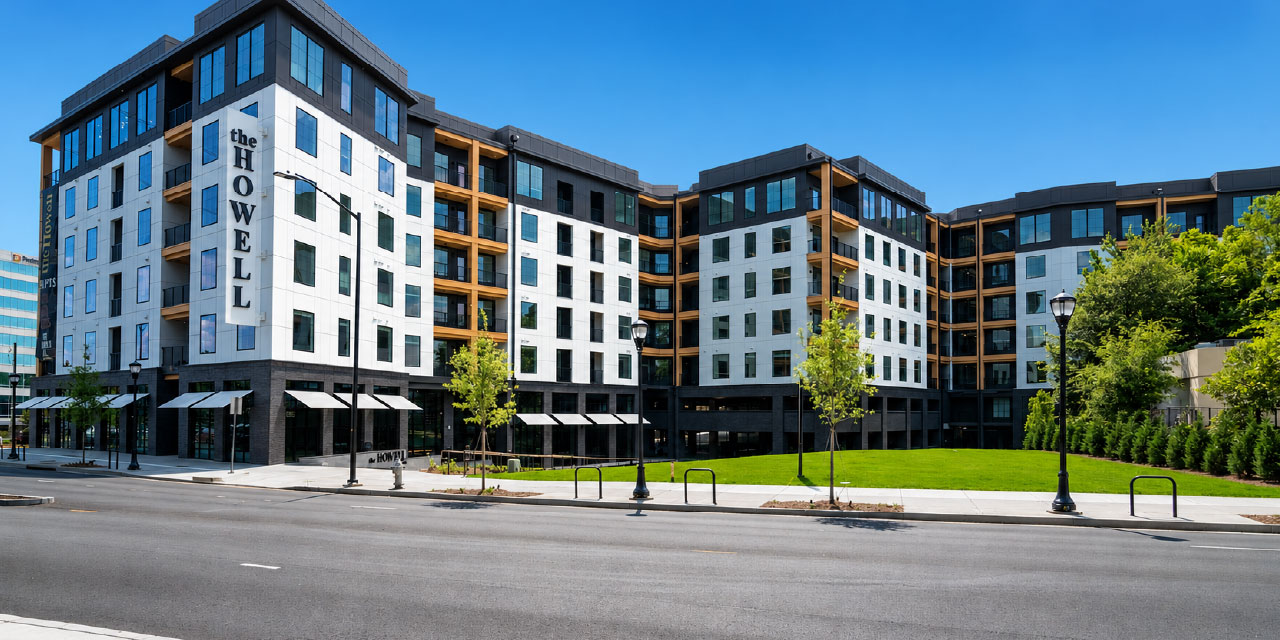
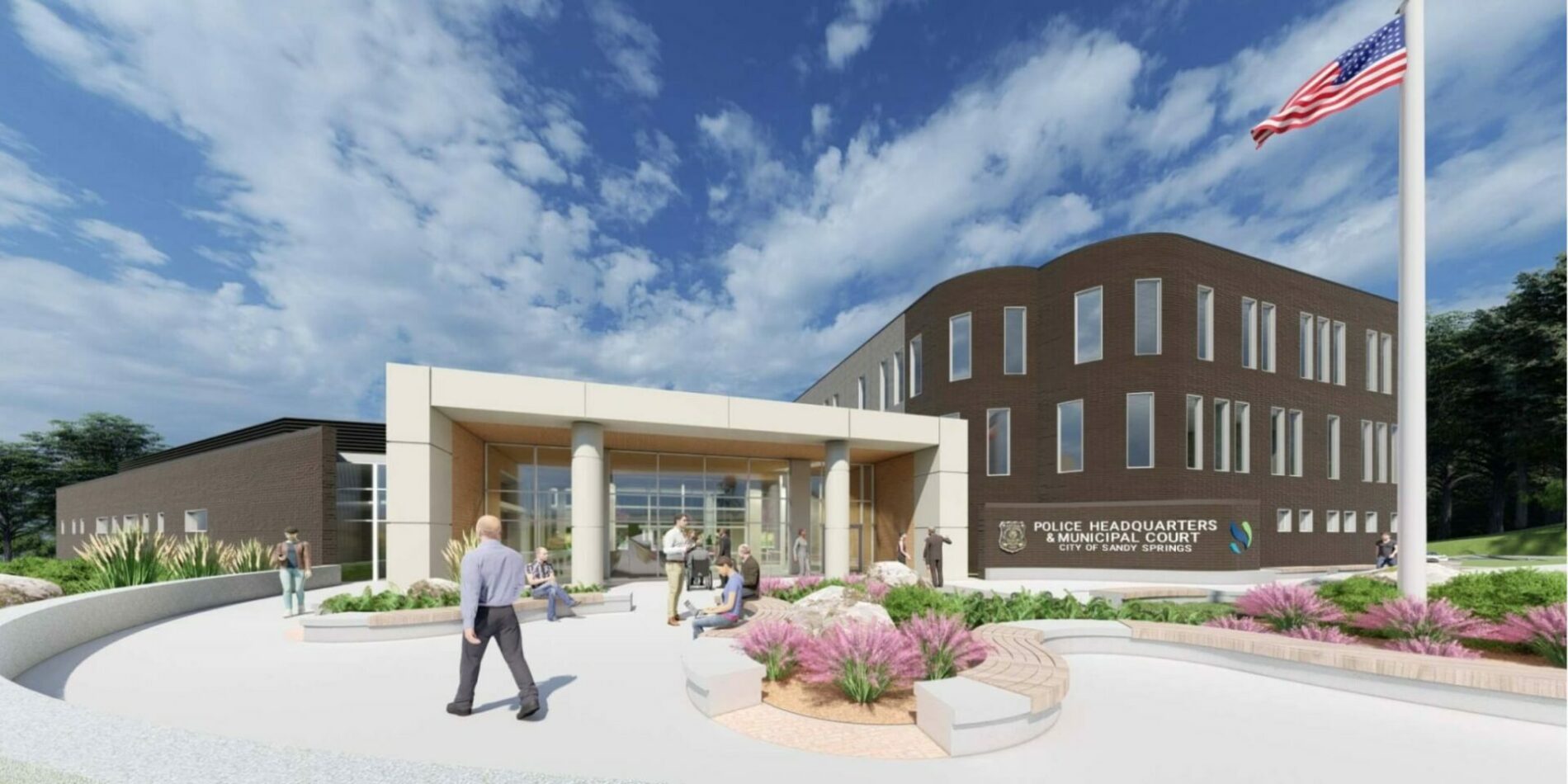
That range is reflected in the company’s current portfolio, which includes the Forsyth County Courthouse in Cumming, Georgia; the Howell Mill apartment development in Atlanta; Riverdale High School in Riverdale; Henry County Stem High School and an elementary school gymnasium; the new Sandy Springs Police Headquarters and Municipal Court; Atlanta’s approximately $118 million Public Safety Training Center; and Norcross’s new Public Safety Building, representing an estimated total investment of $26.3 million.
“We have a strong pipeline of active projects across multiple sectors, creating a more diverse and balanced project portfolio,” said Alex Ponciano, vice president of operations.
The next step is not simply to add more construction projects. J&I Cordon Electric is also working to increase the share of business that continues after initial construction is complete. “We are essentially expanding our portfolio to include long-term maintenance and service contracts that provide recurring value to our clients,” said Albert Sorto, Vice President of Business Development. This strategy is being accompanied by an effort to broaden the customer base. Sorto said the company is seeing “meaningful results” with local governments, school districts, utility providers and light industrial clients. Its current relationships include work with a food manufacturer and a multi-year maintenance contract with the Gwinnett County Department of Transportation in Lawrenceville.
“We are essentially expanding our portfolio to include long-term maintenance and service contracts that provide recurring value to our clients.”
Utility work represents another area the company is exploring. “We are also actively engaged with utility companies to explore opportunities to support their maintenance and infrastructure needs,” said Albert Sorto, Vice President of Business Development. “This balanced approach allows us to continue growing our new construction portfolio, while building long-term partnerships for preventive maintenance service agreements and ongoing electrical support.”
For J&I Cordon Electric, that mix creates a business model in which new construction and recurring service work can support one another. Larger projects extend the company into new sectors and relationships, while maintenance agreements can provide continuity beyond the original construction schedule.
The strategy also places greater emphasis on a resource that cannot be expanded simply by winning more contracts: skilled labor. Sorto said demand for qualified electricians is increasing as infrastructure investment and rapid data-center expansion create additional competition for workers. J&I Cordon Electric is responding by strengthening its recruitment pipeline through partnerships with local technical colleges and participation in recruitment initiatives through independent electrical contractors. The company is also collaborating with Latin American consulates through existing H-2B visa programs as another way of addressing its labor requirements. “We aspire to be the trusted partner that owners, general contractors, public agencies, and industrial clients turn to for both construction projects and dependable, long-term maintenance services, by combining our operational excellence, strategic relationships, and a sustained investment in people,” Sorto said.
This emphasis on people also extends beyond recruitment. The company says it wants its growth to leave a broader legacy in the communities where it works, including through charitable involvement with churches, local shelters and the Spanish-speaking community. For Ponciano, the opportunity ahead is visible from inside the business. “Beyond the company’s growth and accomplishments, it is a great organization to be part of,” he said. “I truly enjoy working with Oscar and his family, and I see tremendous potential for the company’s future.”
Twenty-five years after J&I Cordon Electric began with one truck, its development is increasingly about creating balance: between service work and major construction, between private and public clients, and between winning projects today and building the workforce and recurring relationships required for tomorrow. The company’s original customer focus remains part of that equation, but the scale around it has changed considerably. What began as a small electrical operation is now being shaped into a broader regional business designed to serve clients across both the construction cycle and the years that follow.