








Construction is an industry that continues to evolve with advancements in technology, modernized construction methods, environmental awareness, and automation. What construction companies benefit from most is an experienced team that’s been around for each of these industry shifts, growing and evolving alongside it. Bullert Industrial, a full-service electrical contractor from Redding, California, is a company equipped with decades of collective industry experience across its leadership and field teams. The company was founded in 2013 on a strong industrial electrical and controls background. “We built the company around the industrial control side,” says Project Coordinator Jordan Taylor. “Over the last seven years, we’ve expanded significantly into commercial construction and healthcare, including large retail projects and several hospital projects currently underway.” Taylor kindly takes some time out of his busy day to share Bullert’s story with me – from humble beginnings to establishing itself as a highly skilled, specialized, and trusted player in the electrical contractor space.
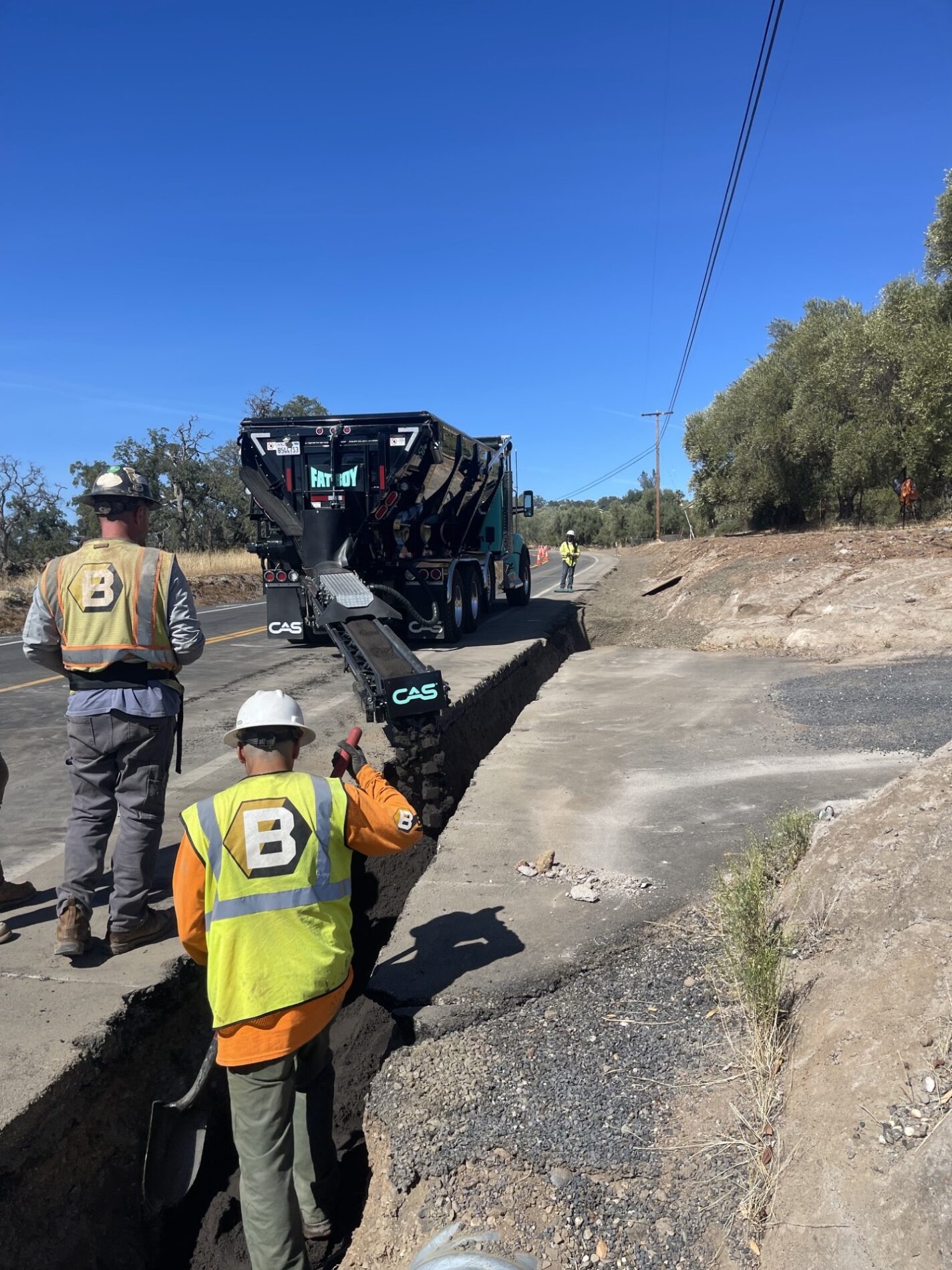
In the early days Bullert mostly carried out small industrial work, before expanding into the large, multidiscipline projects that decorate its portfolio today. Bullert is licensed in California, Nevada and Arizona, covering projects across industrial, commercial, institutional, water and wastewater, controls, civil, and service and maintenance. “We have a civil side as well where we do our own trench and backfill,” Taylor says. Recent growth in this area has seen Bullert incorporate its own Civil Construction Department to self-perform the work, as well as adding two Rock Wheels and a Slinger truck into its fleet of vehicles. “We also do service and maintenance year-round for several of the plants and facilities we work with,” Taylor says. This includes a 24-hour call-out service where Bullert technicians provide a timely response when power outages and electrical issues occur, as they inevitably do. With its combined experience in the electrical field, the Bullert team understands the importance of maintaining uninterrupted operations and has embedded efficiency, responsiveness, and reliability into the very fabric of the company.

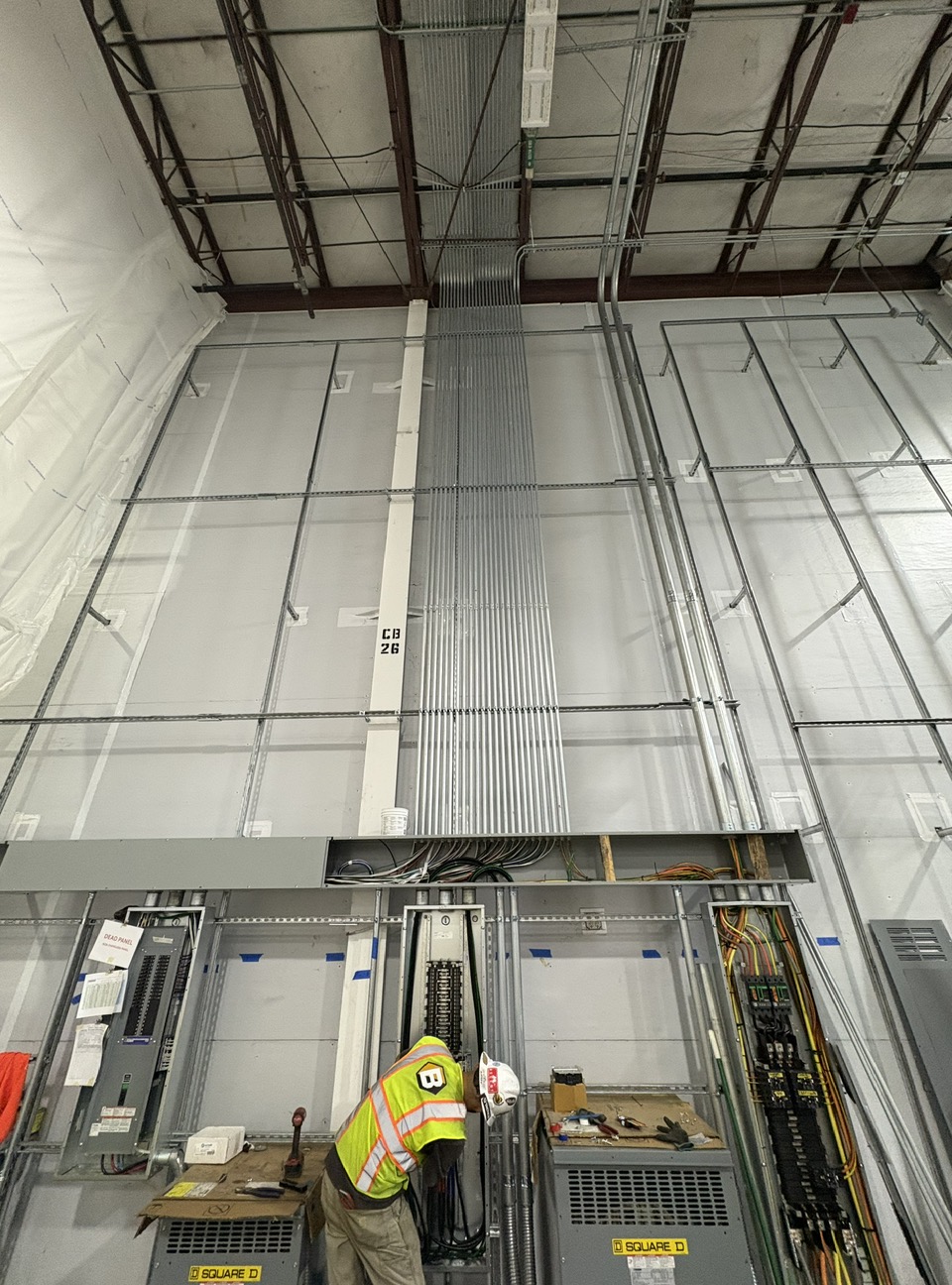
A milestone for Bullert was its first hospital project, which would become the catalyst to its continued success in the healthcare sector. Hospitals by nature are life critical, and so they demand a complex application of electrical services. For Bullert, expansion into this space came with both challenges and opportunities. “Healthcare work has significantly expanded our capabilities as an electrical contractor,” Taylor says. “Our experience in healthcare has helped us become much more proactive. We’re able to identify potential issues earlier, work through them before they impact construction, and stay ahead of problems before they reach the field. That experience has improved the way we approach these projects and better prepared us for the complexities that come with healthcare work.” The Redding Rancheria Tribal Health Village project represents the scale and complexity of the electrical systems involved in major healthcare developments. Bullert is providing the electrical, lighting, and power systems for the project, which is part of a growing portfolio of healthcare work that includes projects valued in the hundreds of millions of dollars. Successfully delivering projects of this size and complexity requires not only technical expertise, but also the workforce and resources to support them.
“On some of our larger projects, we have fifty to seventy electricians working at the same time,” Taylor says. “Being a union contractor gives us access to the skilled workforce we need to properly staff these projects and maintain that manpower as the work progresses.”
Bullert’s service offering spans beyond installation and into preconstruction, BIM, coordination, procurement, construction, startup and closeout. Redding Rancheria Tribal Health Village became one of Bullert’s largest projects, but it also helped push the company further towards model-based coordination and layout. “That project really accelerated our use of Trimble and model-based field layout,” Taylor says. It also helped drive Bullert’s continued investment in Building Information Modeling (BIM), CAD, Revit, and field-layout technology. Together, these tools allow the team to coordinate electrical systems digitally and transfer that information directly to the field, improving accuracy, efficiency, and reducing the potential for rework.
“That level of accuracy gives our crews a lot more confidence in the layout before installation begins.”
“Trimble has been especially valuable in areas where traditional layout can be more challenging, such as curved walls or locations without convenient grid lines,” Taylor continues. “We’re able to take coordinated points directly from the model and lay them out in the field within a fraction of an inch. That level of accuracy gives our crews a lot more confidence in the layout before installation begins.”
This continued investment in BIM and field technology reflects Bullert’s commitment to improving coordination, accuracy, and efficiency as projects become increasingly complex.
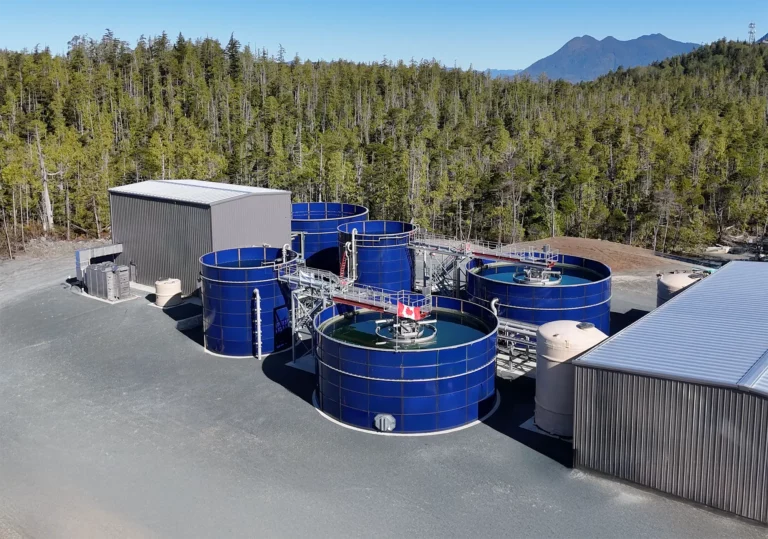
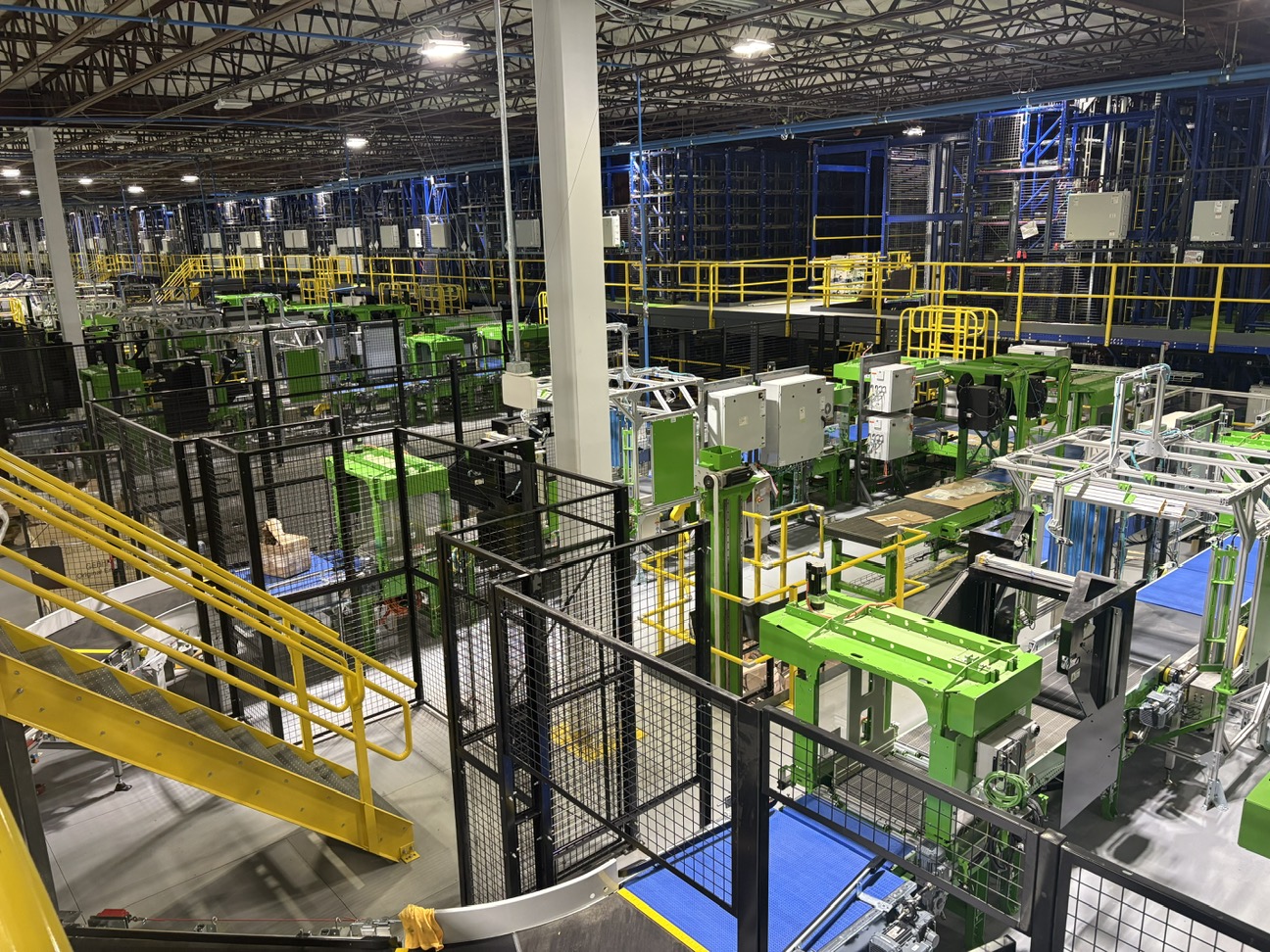
Part of Bullert’s service offering, and an area in which the company has significant experience, is water and wastewater infrastructure. These facilities rely on complex electrical, instrumentation, and control systems to operate pumps, treatment equipment, monitoring systems, and automated processes. Bullert’s industrial electrical and controls background has made water and wastewater work a natural fit for the company. Dunsmuir Wastewater Treatment is a notable project that included the installation of a secondary clarifier, traveling bridge filter, pumps, blowers, mixers, electrical system, and instrumentation. The project is an example of Bullert’s specialization in industrial electrical and control services in the water, wastewater, power generation, and mining industries. “We’ve completed a lot of water and wastewater treatment projects over the years,” Taylor says. “Our experience with industrial controls allows us to handle the automation and control systems that are critical to how these facilities operate.”

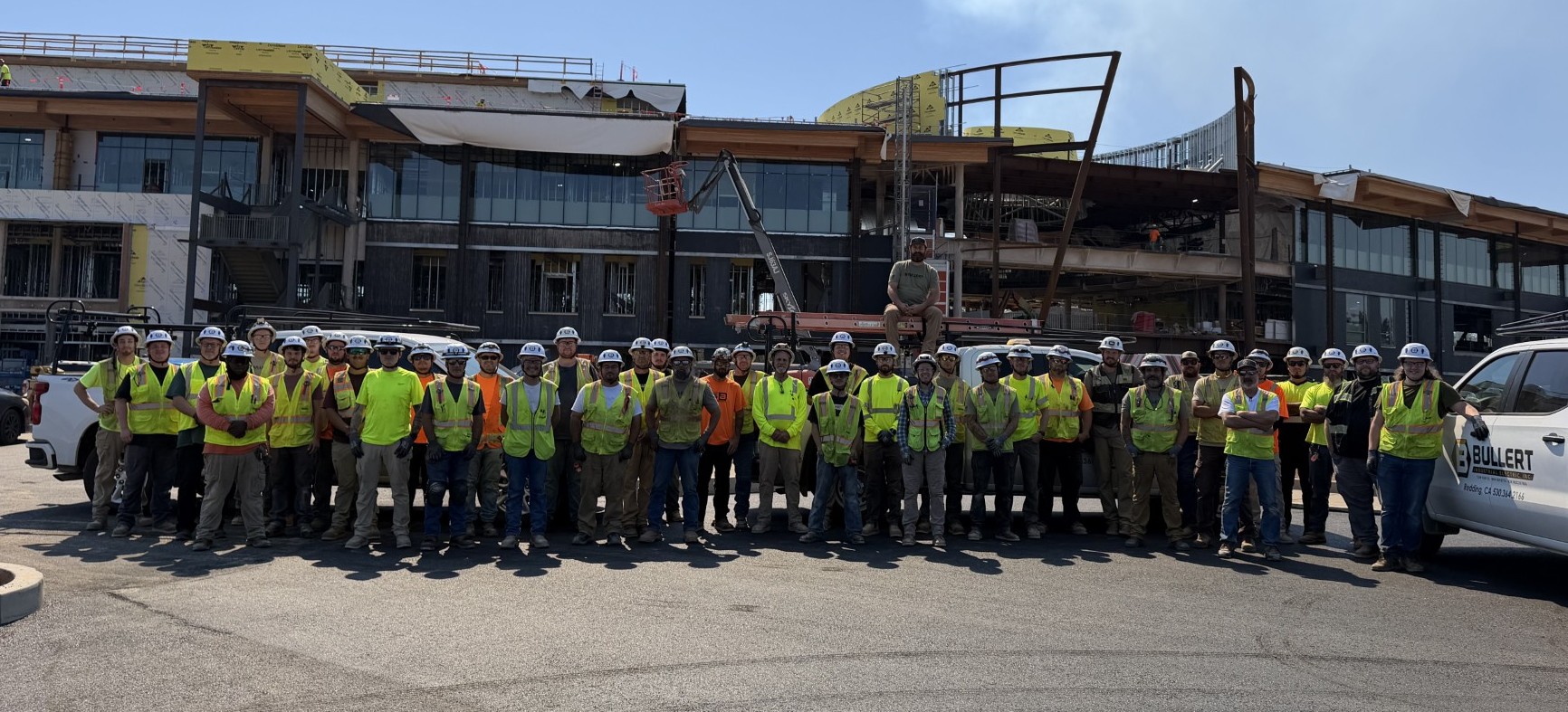
Behind every Bullert project is a highly skilled team with decades of experience across the electrical industry. That depth of knowledge is especially evident in Bullert’s industrial controls work. “Our leadership team brings a tremendous amount of experience to the controls side of the business,” Taylor says. “Eric has more than forty years of industrial controls experience, Ryan has thirty years, and Travis has over twenty years of commercial electrical experience. That experience carries throughout our team. We have electricians who specialize in controls and have spent years working on these systems, so they understand not only how to install them, but how they are intended to operate.”
That experience is strengthened by Bullert’s longstanding relationships with local engineers, designers, municipalities, and facility operators. “When you’ve worked with the same people and facilities over the years, you develop an understanding that goes beyond what’s shown on a set of plans. Our team can often anticipate what an engineer or owner is looking for and address those details early. That kind of knowledge only comes with experience.” The Bullert management team comes from diverse backgrounds and areas of expertise that complement one another, creating a depth of knowledge that continues to set the company apart.
For Bullert, the past year has been defined by controlled growth, expansion into new markets, and continued investment in BIM and field-layout technology. Taylor reflects on what that growth looks like for the company going forward. “We’ve been intentional about building the company to support the type and scale of work we’re taking on,” Taylor says. “We’ve expanded into Nevada and Arizona, taken on projects outside the West Coast, and continue to look at opportunities in new markets. But geographic growth is only one part of it. As our projects have become larger and more complex, we’ve also invested in the people and resources behind them.”
That investment has included expanding Bullert’s project management, estimating, and office teams to support an increasing volume of work. “Our contract volume has grown significantly over the last several years, so we’ve focused on building the infrastructure behind that growth. We’ve added project managers, estimators, and support staff so that as we take on larger opportunities, we have the team in place to execute them successfully.”
As Bullert expands its geographical reach, it is also adding larger and more complex projects to its portfolio. As Taylor puts it: “The goal isn’t just getting bigger – it’s increasing our capabilities and the complexity of work we can successfully perform while maintaining what made Bullert successful.” Bullert also plans to grow its workforce while adding to its equipment, and continuing to invest in BIM, VDC, field-technology, and prefabrication. While growth is a priority, Taylor drives home the point that it will not happen at the expense of the strong relationships, quality work, and responsiveness that the company is built on. Controlled growth is what got Bullert to where it is today, and this remains the plan for the future as it seeks new challenges and geographic opportunities beyond Northern California.