






Much of the electrical infrastructure that keeps New York moving is never seen by the people who depend on it. It runs behind walls, beneath streets, inside tunnels, through schools, hospitals, public housing developments, transportation assets, and municipal facilities. When those systems work properly, they disappear into daily life. When they fail, the consequences are immediate. For more than 35 years, Kanta Electric Corporation has built its reputation by working in those essential spaces. Founded by Prakash Kapadia and now led by the next generation of the Kapadia family, the company specializes in the construction, rehabilitation, modernization, and maintenance of complex electrical systems across New York State. Its work spans large-scale power distribution, core and shell electrical installations, lighting, fire alarm and life safety systems, emergency power, communications infrastructure, transportation systems, electrical rehabilitation, modernization projects, and alternative energy installations including solar photovoltaic and wind.
The company’s story extends beyond its founding. Parag Kapadia, Executive Vice President of Operations & Finance, and his brother represent the third generation of the family to work in electrical contracting. Their grandfather worked as an electrical contractor in the 1960s and 1970s, giving Prakash Kapadia early exposure to the trade before he immigrated to the United States and later founded Kanta Electric. Over three decades later, the company remains privately held within the family while continuing to expand its reach across city, state, and federal work. “It’s been over 35 years of continuous operation, all privately held within our family,” Parag said.
Kanta Electric’s work is defined not only by the systems it installs, but by the environments in which those systems must be delivered. Many projects take place inside occupied buildings, active transportation corridors, operating schools, healthcare facilities, public housing developments, and critical infrastructure that cannot simply shut down while construction proceeds. “What differentiates our work is not necessarily the type of systems we install, but the environments in which we perform that work,” the team explained. “Many of our projects occur within occupied facilities, active transportation corridors, operating schools, healthcare facilities, public housing developments, and other critical infrastructure where construction must be carefully coordinated around ongoing operations.”
“Many of our projects occur within occupied facilities, active transportation corridors, operating schools, healthcare facilities, public housing developments, and other critical infrastructure where construction must be carefully coordinated around ongoing operations.”
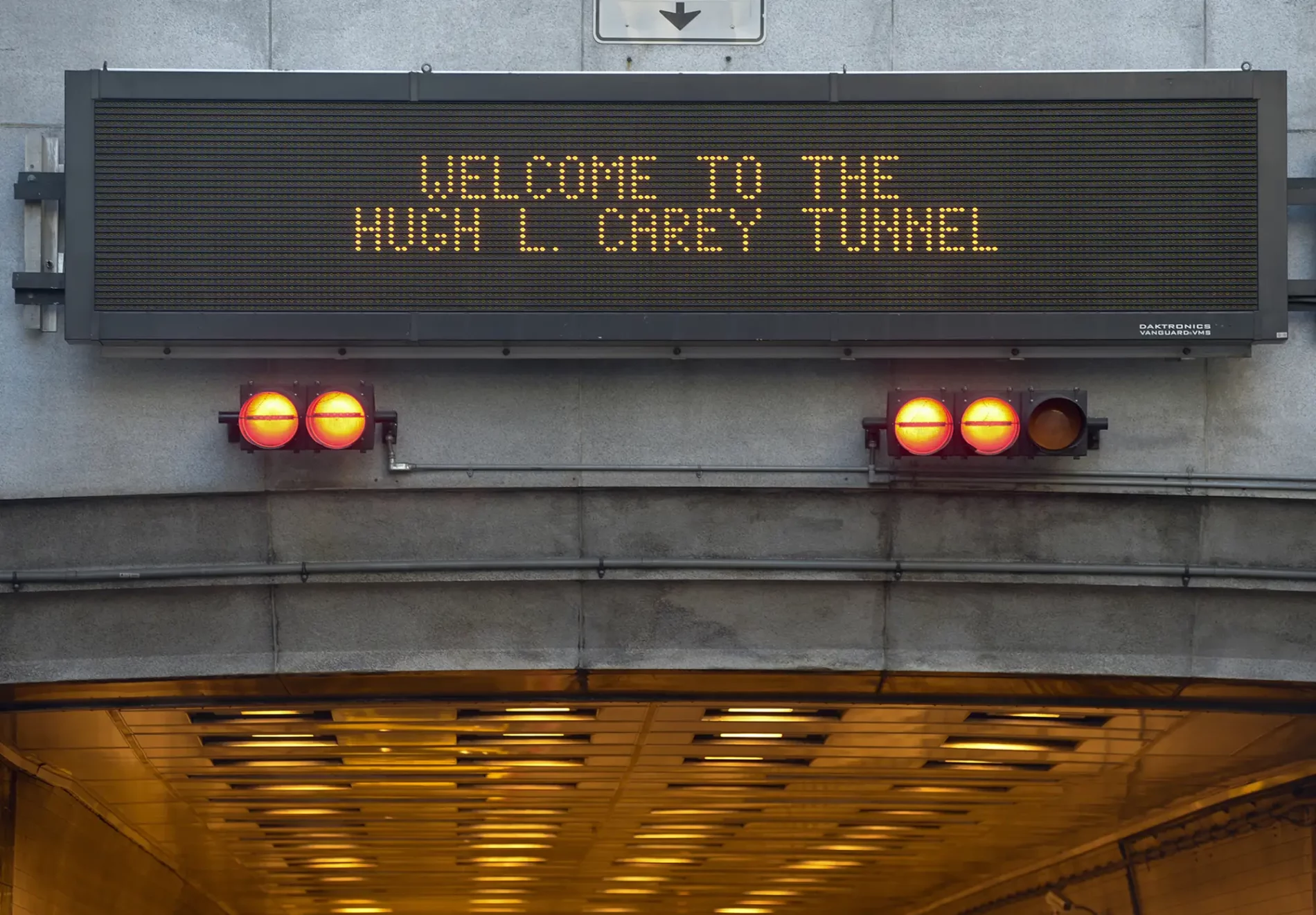
“The challenge is often not simply building something new, but doing so while thousands of people continue to use and depend upon the facility every day.” That challenge has shaped many of the company’s most important projects. One of Kanta Electric’s most significant milestones was its role in the installation and deployment of the first prototype fixed fire suppression system of its kind in the Hugh L. Carey Tunnel in Manhattan. The system, previously installed only in Europe and Japan, had never been deployed anywhere in the United States. For Kanta, the project represented both a technical achievement and a demonstration of its ability to work in one of the region’s most sensitive transportation environments. “It was very specialized infrastructure work, and while we were doing it, because it’s a critical transportation asset, we had to maintain constant operational requirements and adhere to the operational requirements and work around things,” Parag explained. “So that was definitely a challenge, but we completed it, and it was a very good project for us.”
The work involved specialized electrical infrastructure installed inside an active vehicular tunnel carrying thousands of vehicles each day. Planning, safety management, coordination, and technical expertise all had to align around the tunnel’s operational requirements. “Performing the work in that vehicular and material tunnel that carries thousands of vehicles every single day required extensive planning, coordination, safety management, and technical expertise,” Parag said. “It basically just highlights our ability to work on complex transportation environments.”
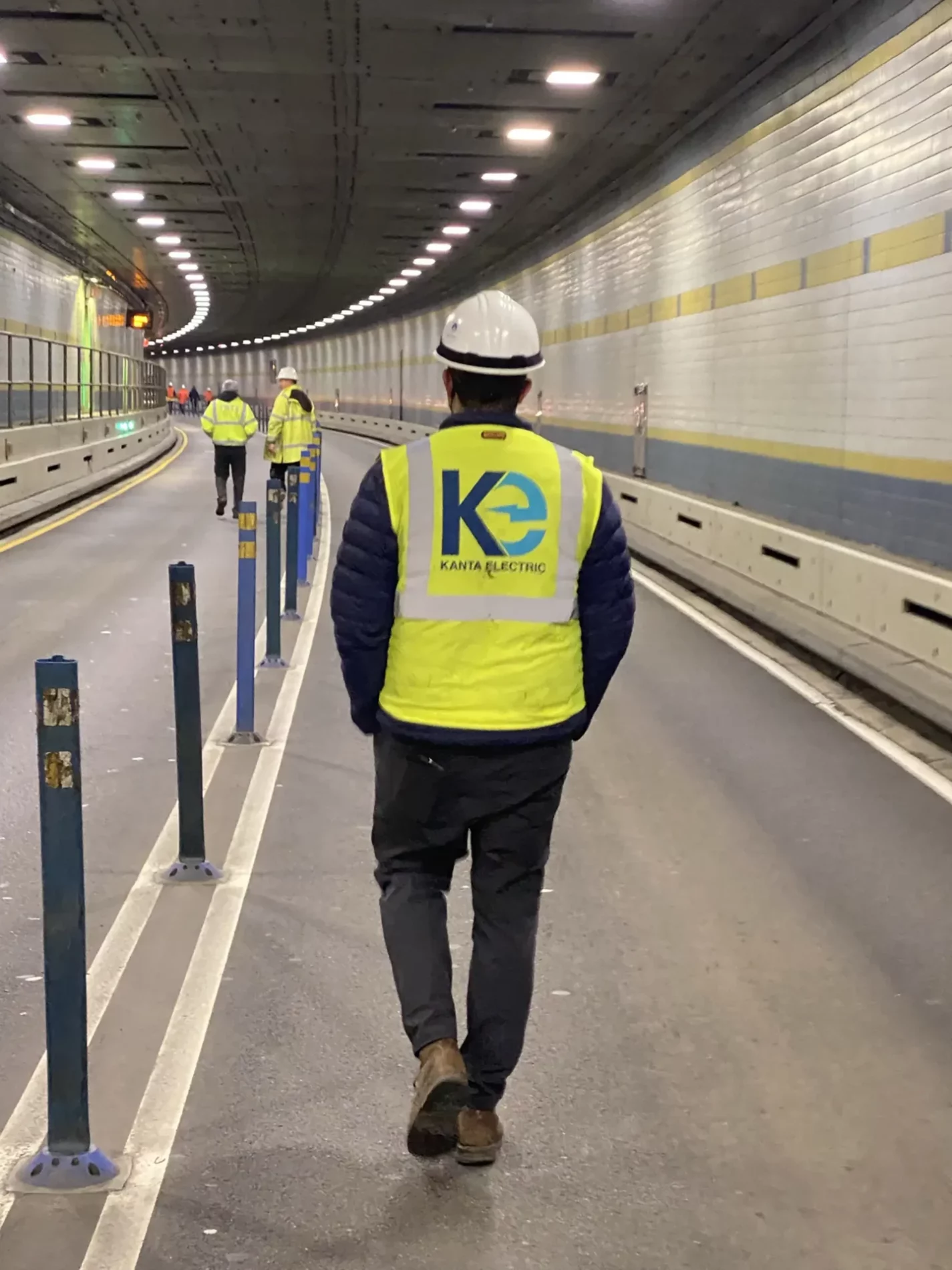
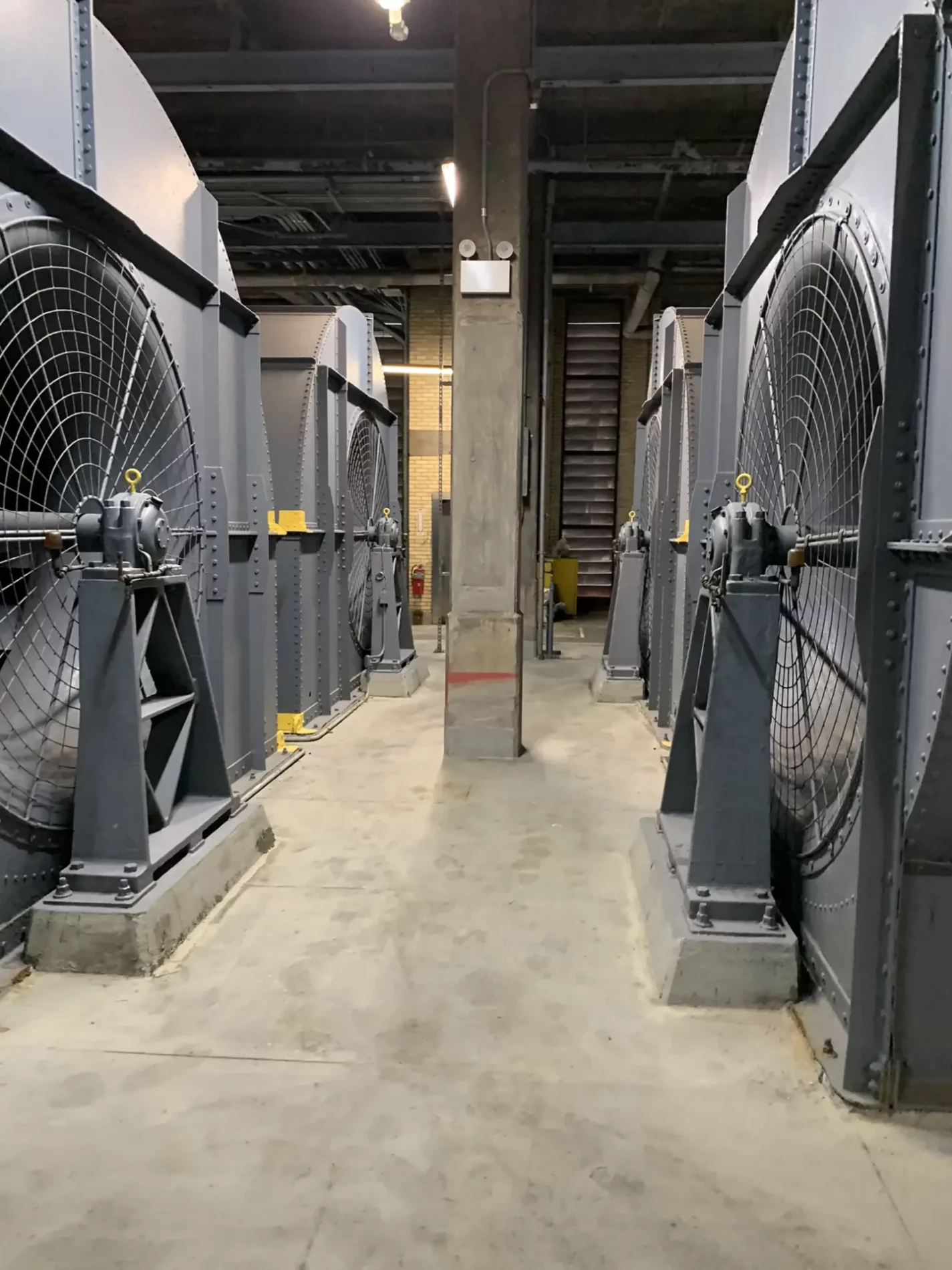
For a contractor working across public infrastructure, the project became a clear differentiator. “The biggest thing is having the good fortune of being invited and lucky enough to be awarded the tunnel project,” Parag said. “It was a lot of hard work to install the prototype, so that was a big achievement for us. It’s a differentiator, because how many contractors can confidently say ‘we were involved in something like a prototype deployment that’s been done nowhere in an entire continent’ – so that has been a big thing for us from a capability perspective.”
Transportation infrastructure is only one part of Kanta Electric’s portfolio. The company has long been active in education, particularly K-12 public high schools, which Parag describes as one of the sectors through which the company grew. “That’s how we came up, and that was always our bread and butter,” he said. “So we continue to work in that space. We are also very active with public housing developments and healthcare institutions, and we’re actively involved on a project at Lincoln Hospital and other municipal infrastructure projects around the city.”
Kanta’s mid-2010s work at the Oakwood Beach Water Pollution Control Plant on Staten Island offers another example of the company’s role in infrastructure that most people never see but rely upon every day. The facility serves 245,000 residents, processes nearly 40 million gallons of wastewater each day, and supports a sewer network spanning more than 10,000 acres across southern Staten Island. As part of a major modernization effort, Kanta provided critical electrical and power infrastructure upgrades intended to support the facility’s long-term reliability. “That is often the nature of infrastructure work,” the team explained. “When residents turn on a faucet, drive through a tunnel, attend school, or enter a public building, they rarely think about the systems operating behind the scenes. But those systems only function because skilled tradespeople, engineers, contractors, and public agencies continuously invest in their maintenance and improvement. Projects like Oakwood Beach illustrate the role Kanta has played for more than 35 years – working quietly behind the scenes, yet reliably helping maintain and modernize the infrastructure that keeps New York running every day.”
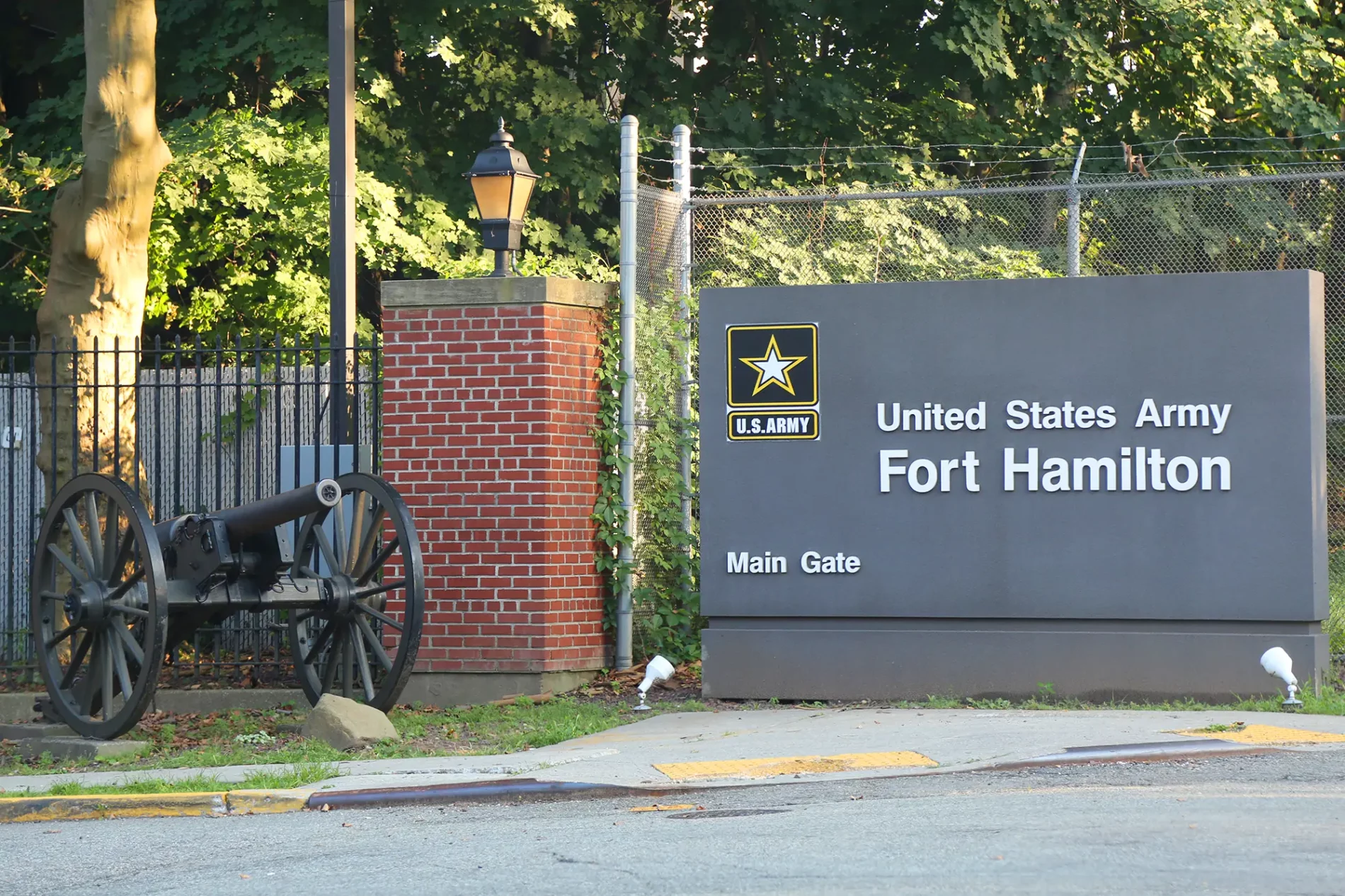
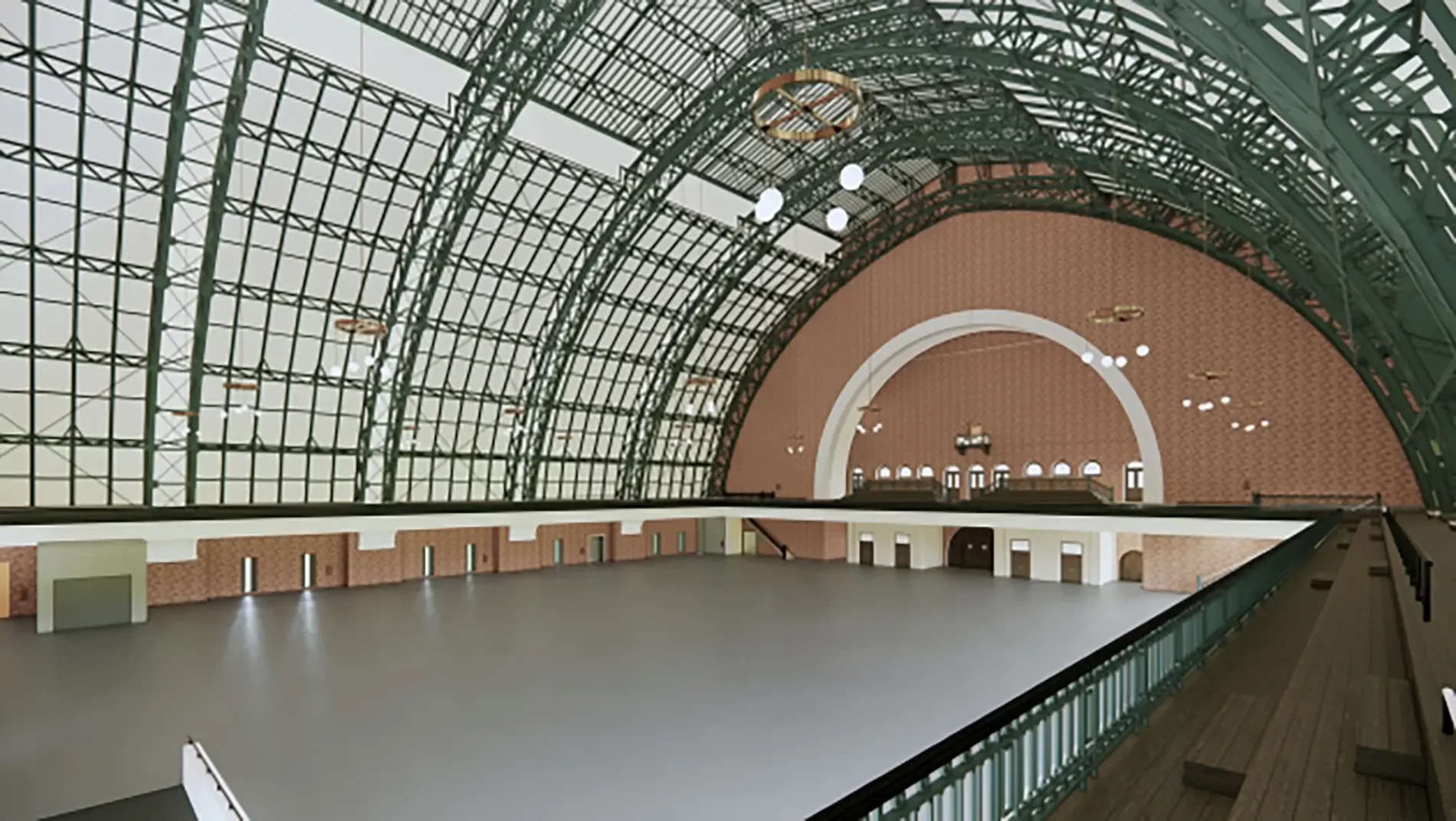
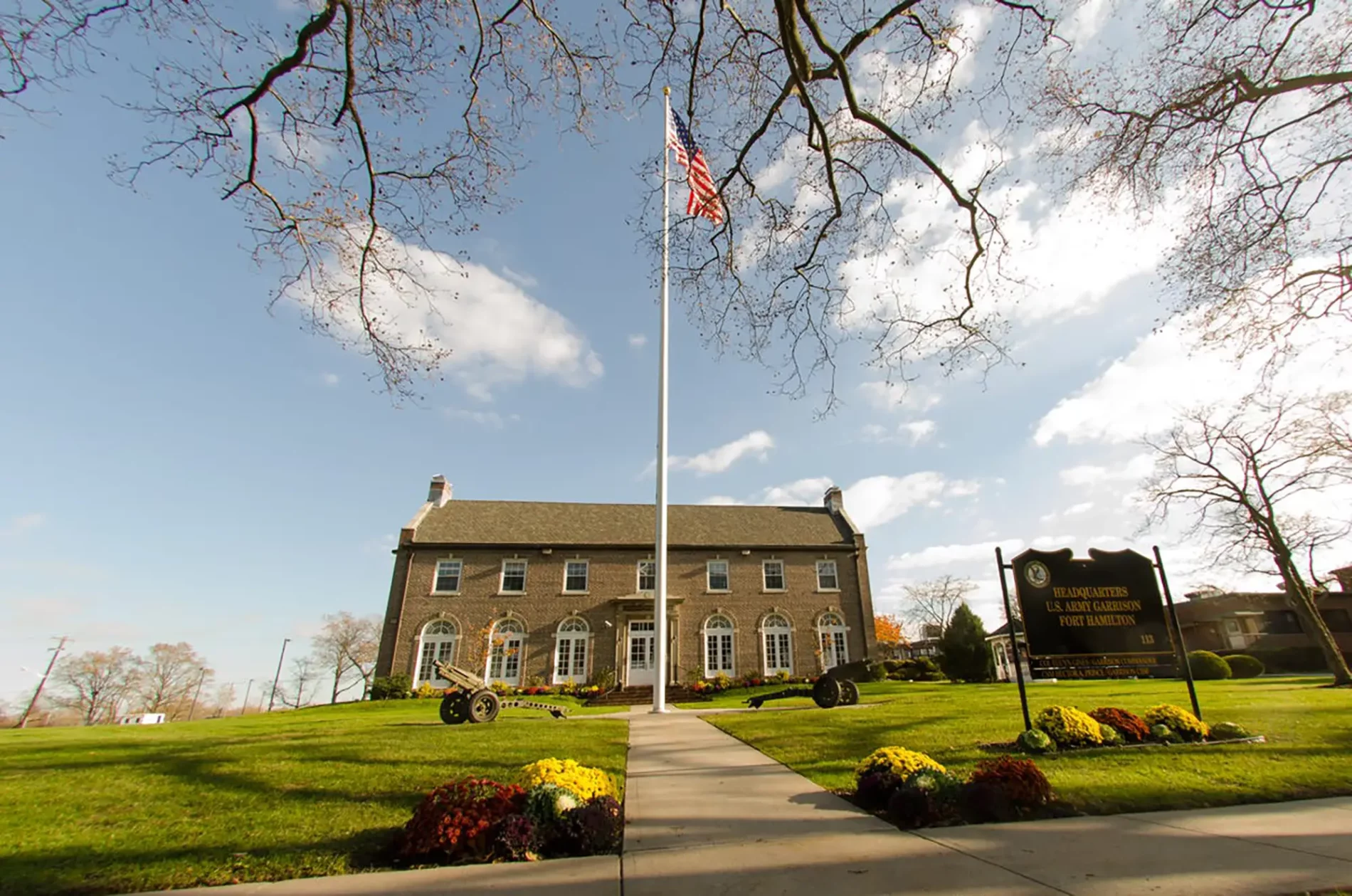
Federal and government work now represent a growing part of the company’s future. Kanta has previously worked at Fort Hamilton U.S. Army Base in Brooklyn and the landmark Lexington Avenue Armory in Midtown Manhattan. The company is currently working at the Armory to support the National Guard Readiness Center, outfitting the historic facility and assisting with interior development for readiness operations. “If there is a major event where the National Guard needs to be deployed, they would be launched from there,” Parag explained. “It’s a very large facility.”
Growth inside the company is matching the expansion of its project portfolio. Kanta Electric is adding approximately 12,000 square feet to its headquarters, roughly doubling its current space. The investment will support staff, project teams, and future growth, but Parag sees its importance as more than physical capacity. “It’s not necessarily just about creating the space; it’s really just more about taking the company symbolically into the next phase of its development and growth.”
Kanta is also beginning to consider what that next phase could involve beyond organic growth. While no specific direction has been determined, the company is open to strategic partnerships, new sources of capital, and complementary acquisition opportunities that could strengthen its capabilities and support continued growth.
“We’ve had interest from potential partners over the last several years, but we never felt the timing or fit was quite right,” Parag said. “Today, with the amount and scale of work. Kanta has been able to take on across the New York metropolitan area, we’re in a different position. We’re open to several possibilities and want to be thoughtful about what comes next. For us, it’s not about growth simply for the sake of getting bigger—it’s about finding the right opportunity and, most importantly, the right partner who understands our business, our culture and where we believe Kanta can go from here.”
Whatever form that development takes, the company’s existing priorities remain centered on people, execution, and safety. Parag identifies those three areas as central to Kanta Electric’s success. “The people are the most important thing; we invest a lot of time in recruiting and training the right people for the right roles,” he said. “That’s always been a cornerstone of how we’ve grown to where we are today.” Execution is equally important in public works construction, where schedule, coordination, and accountability are critical. “In construction, your reputation is everything, and it’s earned one project at a time, regardless of the scale,” Parag said. “Focusing on execution and making sure that you’re constantly doing what you can to move the project schedule forward should be at the heart and mindset of a contractor on a project. We’ve always focused on that to keep the job moving forward safely.”
Safety underpins the entire operation. Employees across the organization, from project managers and foremen to journeymen, electricians, and apprentices, are required to complete safety training appropriate to their roles. Project managers typically complete 40 hours, foremen 30 hours, and electricians at least 10 hours, with additional specialized training including OSHA, asbestos certification, confined space training, and scaffolding. “Whether you’re a project manager, a project foreman, an electrician in the field, a journeyman, or an apprentice, you all have to go through this safety training,” Parag said.
The company expects the rest of 2026 to remain strong, with significant opportunities across transportation, education, public infrastructure, institutional facilities, and public housing. New York City’s capital programs continue to provide robust opportunities for public works contractors, but Kanta’s leadership is careful to distinguish growth from simple expansion. “New York City is the epicenter of public spending; there are always very robust capital programs across different agencies for public spending,” Parag said. “So, as a public works contractor, it seems 2026 will be very strong, especially given our project and construction volumes. We’re not looking to just get bigger; the idea is that as you get larger, you want to become stronger, more secure, and more efficient.”
For Kanta Electric, progress is measured not only by project volume, but by the company’s ability to serve clients safely, efficiently, and with lasting value. The work may often be hidden from public view, but its impact is visible across the city.
“We’re very proud of the work that we do; it’s really fulfilling, and we take great pride in being able to drive around New York and see the buildings, developments, or whatever structure that Kanta has helped to power and the communities that we serve,” Parag said. “Because of the impact of that work, that has always been a major source of pride for us. We’re very grateful and very proud of the work that we’ve completed to date.”
After more than 35 years in business, Kanta Electric continues to build on a family legacy shaped by technical expertise, public infrastructure, and the responsibility that comes with powering essential systems. Whether inside a tunnel, hospital, school, armory, wastewater facility, or public building, the company’s role remains the same: deliver the electrical infrastructure that allows New York to keep moving.